

Hospitals and Healthcare Organizations
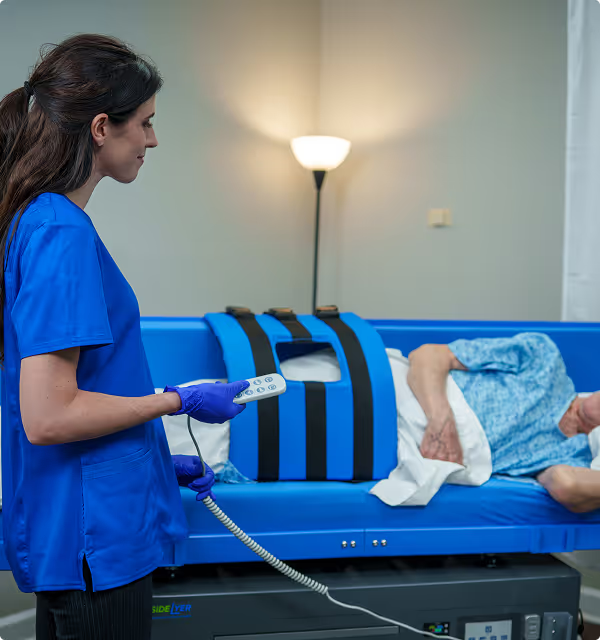
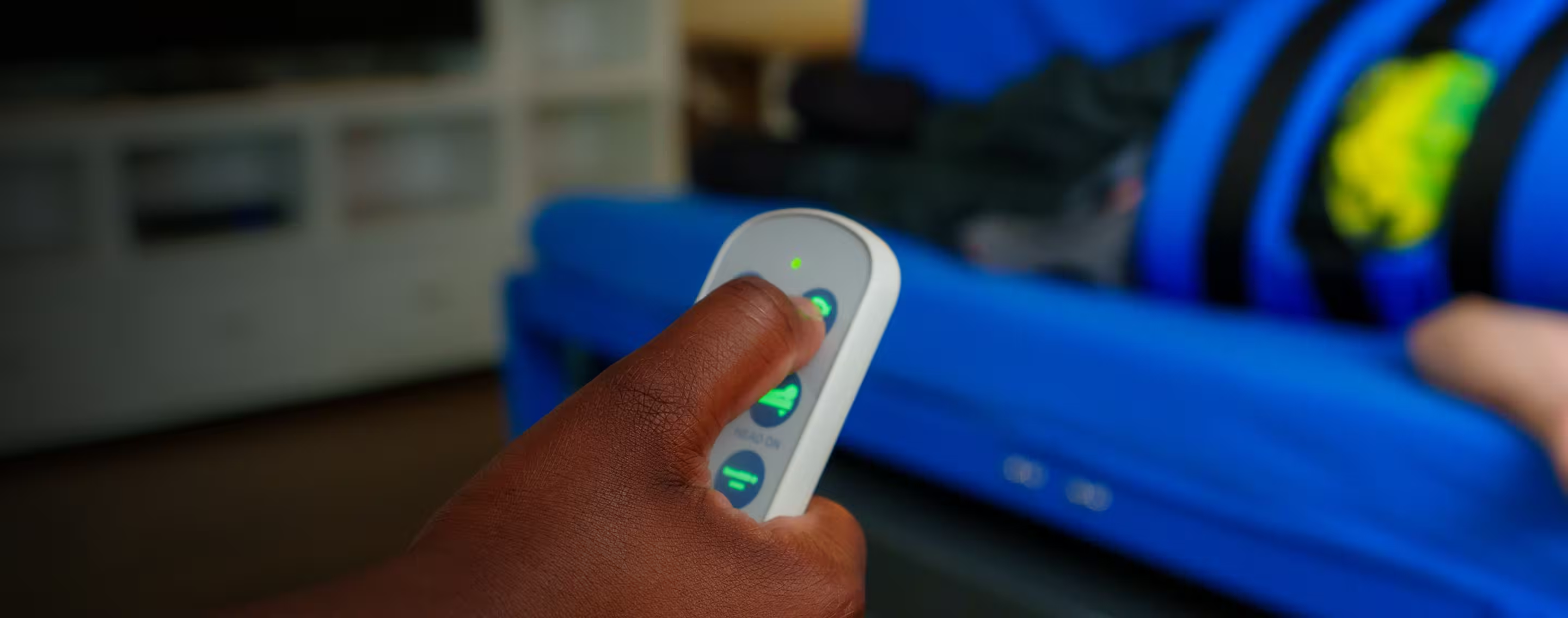
The SideLyer system decreases the frequency of manual patient repositioning, enabling a single caregiver to reposition patients with the touch of a button
Supporting Nursing Staff
SideLyer facilitates smoother, controlled patient turning, helping care teams maintain access for wound care and hygiene while minimizing unnecessary movement:
Reduces pressure ulcers by 10-fold
Improves access to various body regions for dressing changes and debridement without needing to manually reposition the patient
Regular, slow turning stimulates circulation–especially in the lower extremities–by promoting venous and lymphatic flow, much like passive movement
Reducing manual handling lowers the risk of contamination and infection spread
How SideLyer Can Help Hospitals
SideLyer benefits not just the patients but also the clinical staff. By reducing the need for manual repositioning, SideLyer helps to keep your care teams healthier and on the floor, where they are needed most. With the touch of a button, SideLyer changes pressure distribution in patients by varying positioning angles. Having a single nurse perform repositioning while using remote control—without the need for pillows or wedges that may slide out of place—helps, especially during short-staffed shifts:
Improves compliance with repositioning protocols
Decreases staff fatigue and turnover
Reduces staff injury claims due to patient repositioning by 28%
Is very easy to use
Reducing Costs
Each avoided hospital-acquired pressure injury (HAPI) saves approximately $21,000 in direct costs. A single SideLyer unit can pay for itself after preventing just one pressure injury—often within the first months of use. Hospitals using the SideLyer have the opportunity to:
Reduce incidence of hospital acquired pressure injuries
Support their reputation for safety and innovation
Reduce incidence of nurse injuries and workers’ compensation claims
Decrease staff fatigue and turnover

Who can benefit from SideLyer?
Patients in long-term care hospitals (LTCHs)
Post-surgery patients
Individuals at high risk of skin breakdown
Patients with limited mobility or reduced sensation
Patients on prolonged bed rest
Studies show that pressure-relieving devices can significantly reduce HAPIs and start generating returns after 6 months. Let the SideLyer take pressure injuries off your list, so your hospital team can focus on what matters most - saving lives.
Key features include
.avif)
.avif)
.avif)
.avif)
.avif)
.avif)
1
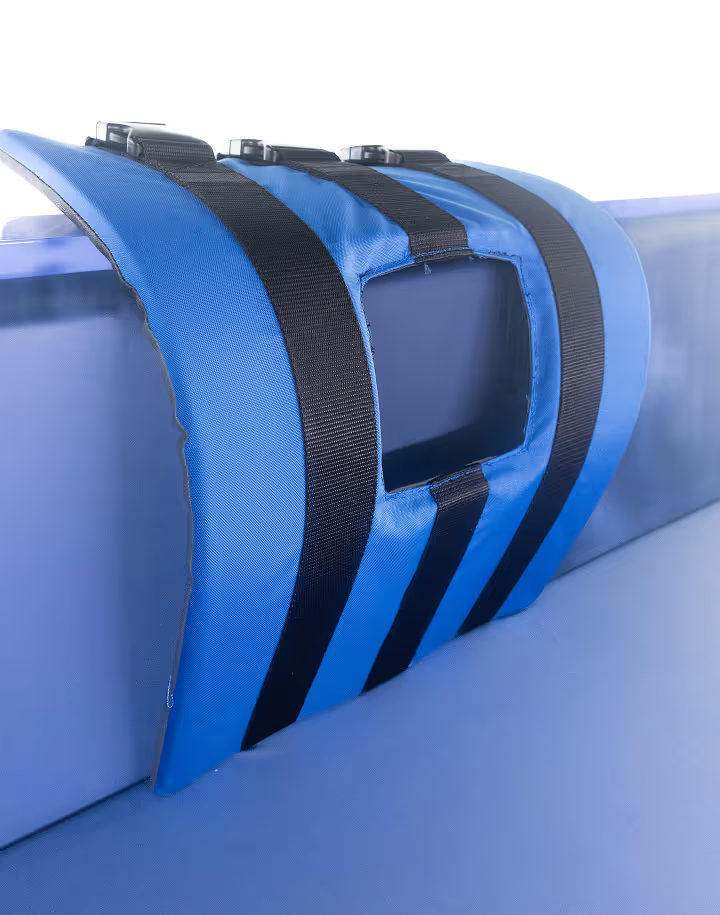
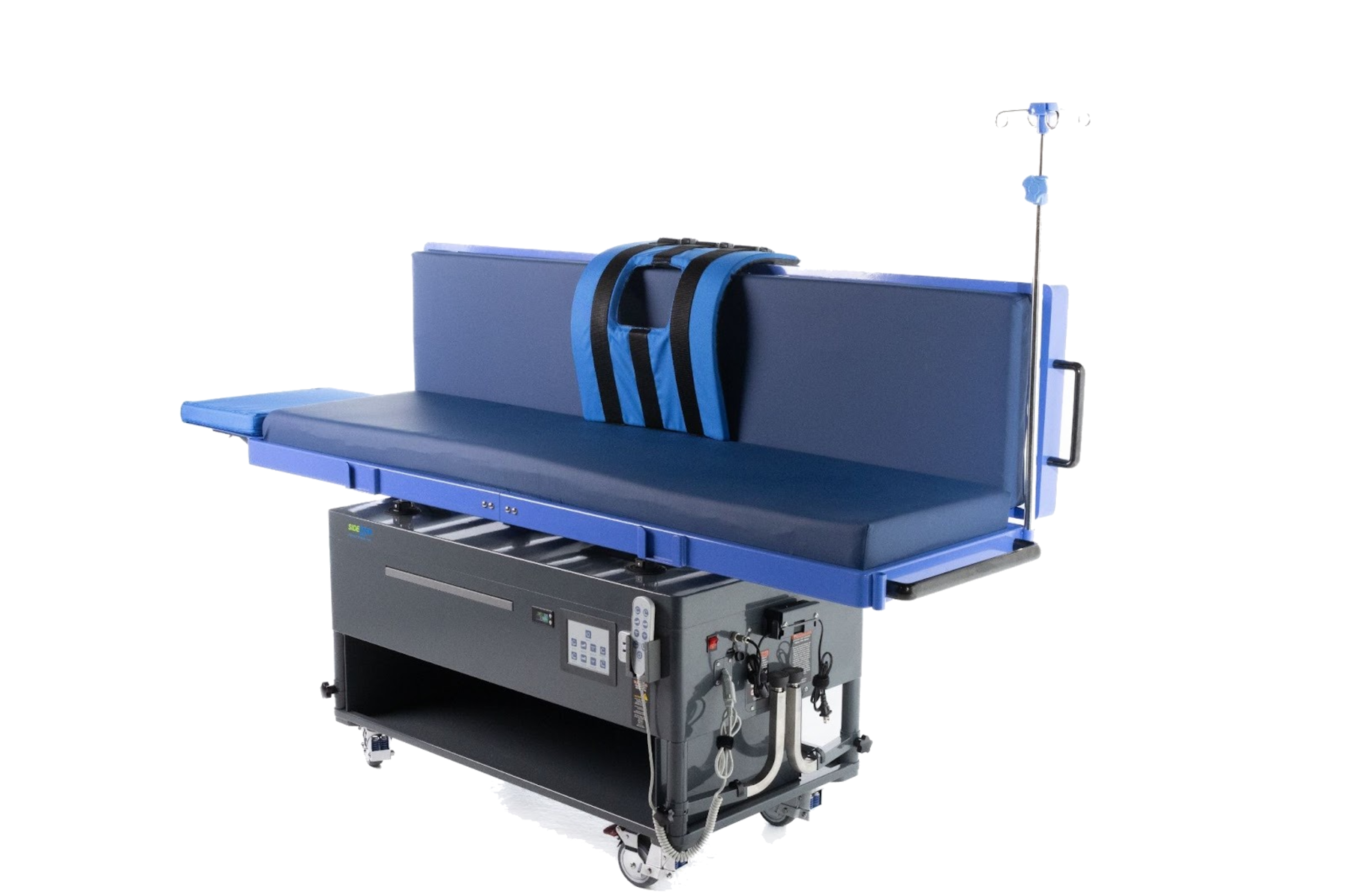
Detachable Safety Strap
Designed to accommodate G-tubes and other medical lines while keeping the patient secure during all positioning modes.
2
Electric Vertical Lift System
Provides smooth vertical elevation, angled positioning, and rotational adjustment — all controlled with a simple touch.
3
Detachable Tray
Securely mounts to the frame to support devices, activities, or treatment materials while remaining easy to remove when not in use.
4
Three-Layer Memory Foam Mattress
Features a supportive core, pressure-relief middle layer, gel memory foam top, and a high-performance, cleanable outer cover for maximum comfort and durability.
5
Rolling Caster Wheels
Allow effortless movement throughout the facility, even in tight or busy clinical environments.
6
Integrated Shock Absorbers
Enable smooth transport over thresholds and uneven flooring, protecting patient comfort and device stability.
7
Detachable IV Pole Attachment
Provides convenient management of fluids, medications, or feeding systems without additional equipment clutter.
8
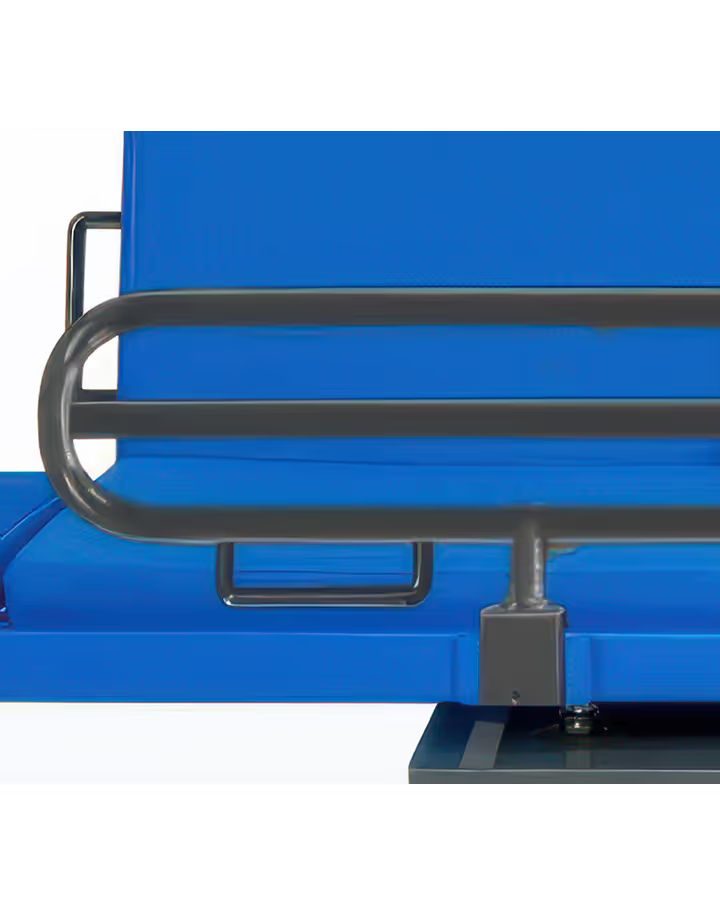
Optional Frame-Mounted Resting Rail
A secure rail that slots directly into the frame to provide added support and safety when the patient intends to rest or sleep in the SideLyer.
1
Base Configuration
Provides a neutral, stable lying position for general therapy, assessments, and safe patient positioning.
2
Lifted Position
Raises the entire platform vertically to support safer positioning at caregiver eye level, improving access for care activities and patient interaction.
3
Head-to-Toe Angling
Tilts the body along the longitudinal axis to elevate the chest for respiratory therapy or reverse-angle positioning for improved circulation and edema management.
4
Rotational Adjustment
Enables right or left lateral tilt for weight shifting, pressure relief, and balance or trunk-control training without manual repositioning.
Partner With Us
Whether you’re launching a new pressure injury prevention initiative or enhancing an existing program, the SideLyer can play a central role in driving measurable results. Let’s work together to improve outcomes and reduce preventable harm. Contact us to schedule a demo or request a trial of your unit

Frequently Asked Questions
Where can I see a demonstration of the SideLyer repositioning system?
To schedule an on-site or virtual demo, or to learn more about how SideLyer can support your hospital’s pressure injury prevention strategy, please contact us or click on “Request a Demo” button at the bottom of this page.
Can the SideLyer help hospitals meet CMS quality and safety goals?
Yes. By reducing the incidence of pressure ulcers, SideLyer is aligned with improving CMS quality scores, that lead to fewer HACRP penalties.
How does the SideLyer improve staff safety and reduce injuries?
Manual patient repositioning every two hours is physically demanding and a common cause of nurse injuries. SideLyer reduces the strain on caregivers, lowering the risk of musculoskeletal injuries.
How long does it take to learn how to use the SideLyer?
With simple operating controls and intuitive interface, it takes only a few minutes to learn how to operate the SideLyer. In fact, 93% of SideLyer users rank its ease of use at 4.6 on a 5-point scale, where 5 is "very easy to use" and 4 is "easy to use".
Is the SideLyer suitable for hospitals with high patient turnover?
Yes. SideLyer’s design allows quick cleaning and setup, making it practical for facilities with multiple daily admissions. Some hospitals find the SideLyer useful to temporarily extend their current bed capacity.
How does the SideLyer help prevent pressure ulcers?
SideLyer leverages an electric lift to adjust the patient’s position and redistribute pressure across different areas of the body. This reduces prolonged compression on vulnerable skin and tissues in the same spots—one of the main causes of pressure ulcers.
What is the SideLyer system?
The SideLyer is a motorized patient support system designed to prevent pressure injuries—also known as pressure ulcers or bedsores—in patients. It allows caregivers to safely reposition patients at the touch of a button, in lieu of manual turning, or using pillows or wedges.
Request a Demonstration
See how SideLyer can bring comfort, safety, and peace to your healthcare institution environment. Schedule a virtual demonstration or on-site evaluation with our clinical team.