
Wound Care Prevention for Intermediate Care Facilities (ICF/IID) in Pennsylvania
Prevent and treat pressure ulcers
Reduce strain on staff with motorized lift
.avif)
Why SideLyer matters to the intellectually and developmentally disabled
Their complex mobility needs often mean that these people need to be repositioned regularly, have pressure relief and be provided with meaningful social contact throughout the day.
Who benefits from a SideLyer in Pennsylvania?
Individuals with intellectual or developmental disability
Intermediate care facility clients
Medical group home residents
Residents requiring frequent repositioning
Individuals at risk for pressure ulcers or contractures
Call Now
Proven Pressure Ulcer Prevention for Immobile Residents
People who have limited mobility are at increased risk of pressure injuries, as they may sit or lie in the same position for a long period of time. With SideLyer, intermediate care facilities and medical group homes can:
Lower the risk of pressure ulcers by more than ten times
Help reduce the costs associated with staff injury claims by 28%
Encourage better venous return for improved blood circulation
Minimize fluid buildup in the legs and sacral area
Allow caregivers to perform skin assessments and wound care more efficiently
.avif)
Comfort, Dignity and Socialization for Residents
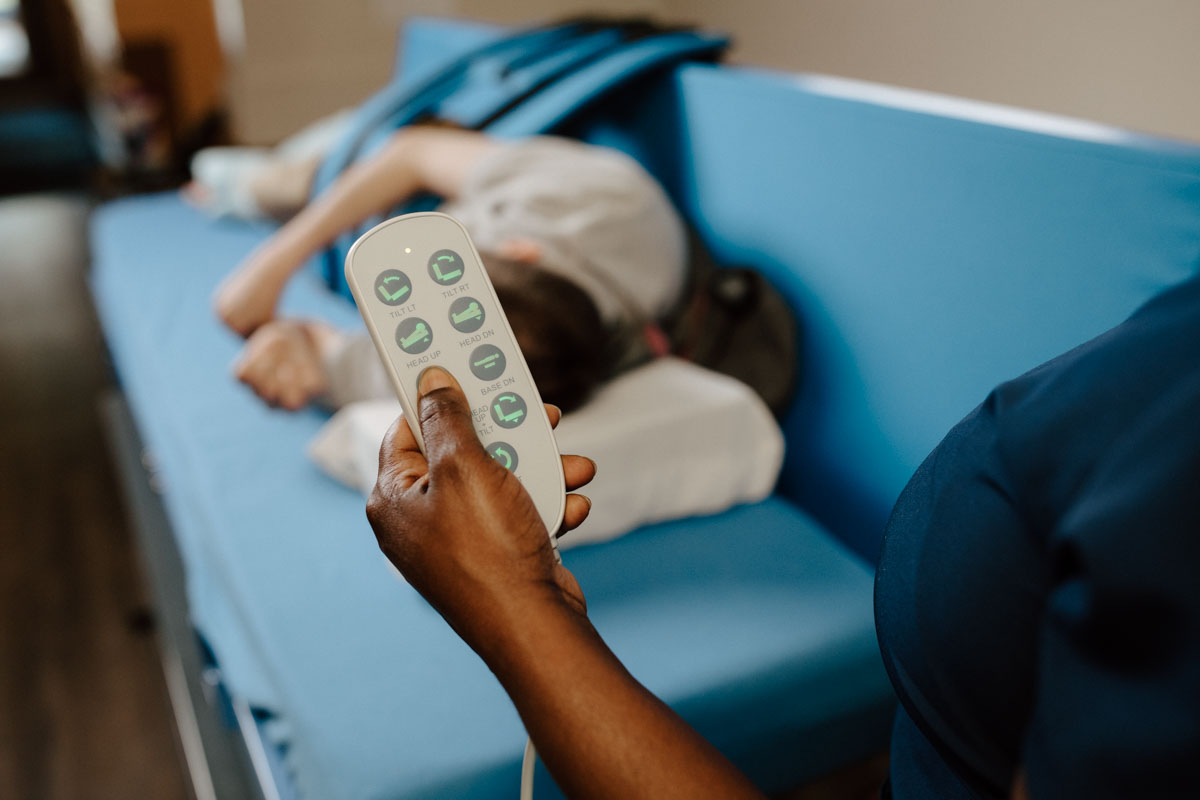
Gentle, quiet SideLyer movements help make resident repositioning easier, providing comfort, safety and dignity:
Head-to-toe motorized positioning supports feeding, medication administration, and rehabilitation activities.
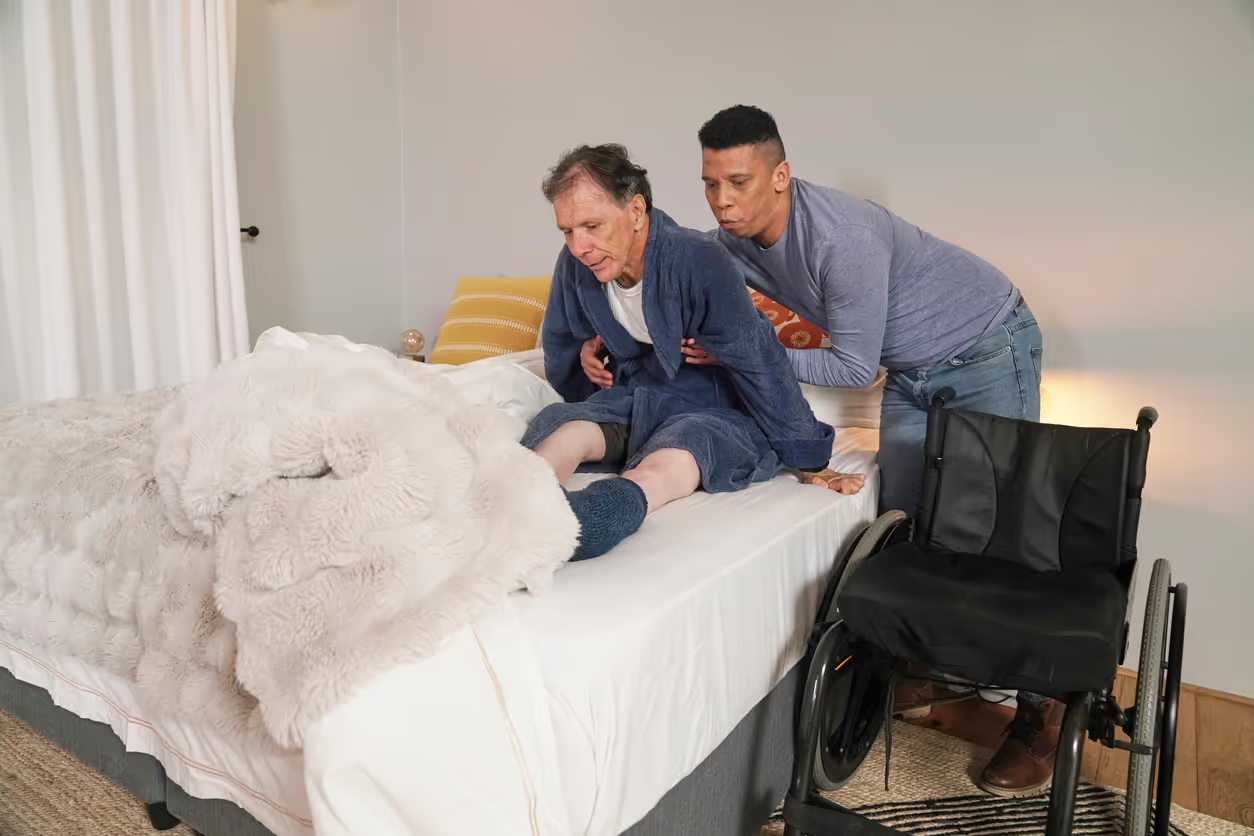
Side tilt functionality allows caregivers easier access for wound care, hygiene assistance, dressing, and transfers.
Vertical elevation brings residents closer to eye level, improving communication and encouraging meaningful engagement.
Helps residents remain involved in everyday activities while supporting caregivers with efficient and compassionate care delivery.
Call Now
Safe Handling and Injury Reduction for Your Care Staff
The physical demands of daily care place caregivers who manually turn and reposition residents at greater risk for back and shoulder injuries. Motorized repositioning gives important support through:
More organized and efficient repositioning schedules
Safer resident handling throughout routine care
Reduced manual lifting to help protect caregivers from injury
Up to 28% fewer caregiver injury claims
Less staff turnover and reduced time away from work because of physical strain
The SideLyer is designed to help you protect your caregiving staff while enhancing comfort, dignity and quality of life for residents.
Client Success - Ann Storck
Center (Fort Lauderdale, FL)
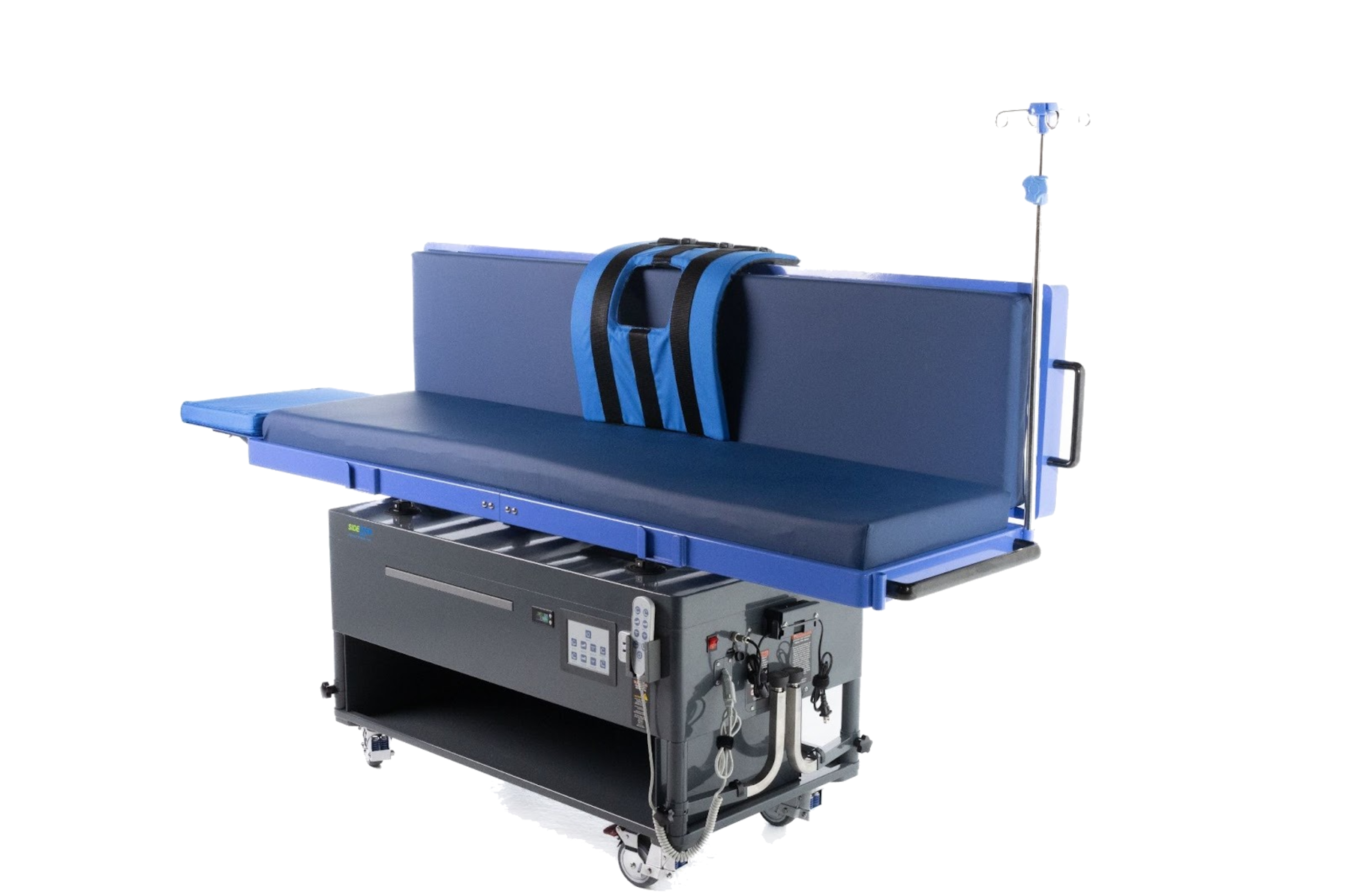
Key features include
.avif)
.avif)
.avif)
.avif)
.avif)
.avif)
1
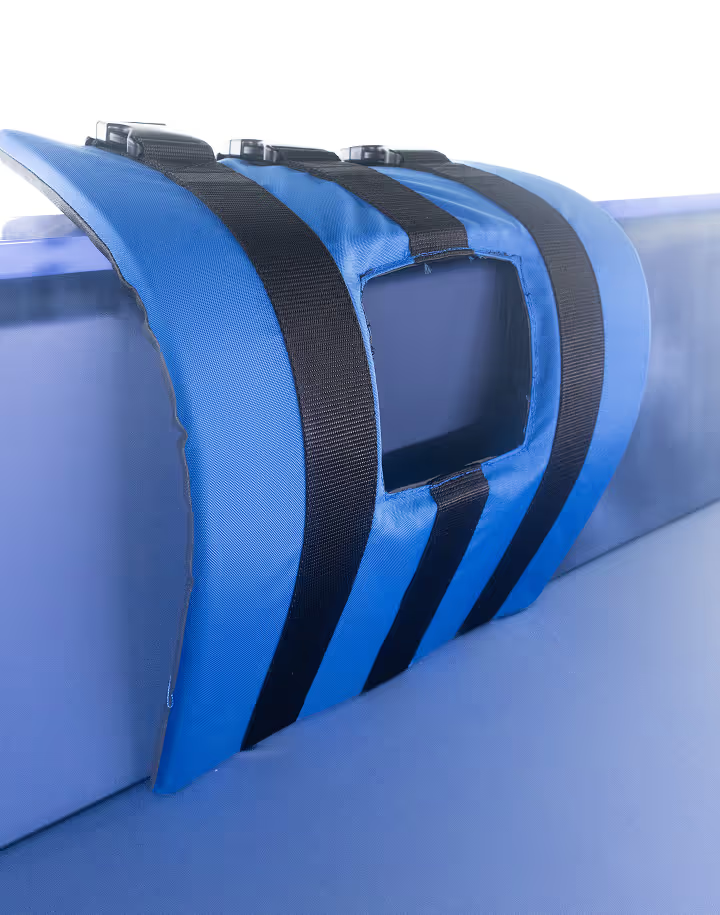
Detachable Safety Strap
Designed to accommodate G-tubes and other medical lines while keeping the patient secure during all positioning modes.
2
Electric Vertical Lift System
Provides smooth vertical elevation, angled positioning, and rotational adjustment — all controlled with a simple touch.
3
Detachable Tray
Securely mounts to the frame to support devices, activities, or treatment materials while remaining easy to remove when not in use.
4
Three-Layer Memory Foam Mattress
Features a supportive core, pressure-relief middle layer, gel memory foam top, and a high-performance, cleanable outer cover for maximum comfort and durability.
5
Rolling Caster Wheels
Allow effortless movement throughout the facility, even in tight or busy clinical environments.
6
Integrated Shock Absorbers
Enable smooth transport over thresholds and uneven flooring, protecting patient comfort and device stability.
7
Detachable IV Pole Attachment
Provides convenient management of fluids, medications, or feeding systems without additional equipment clutter.
8
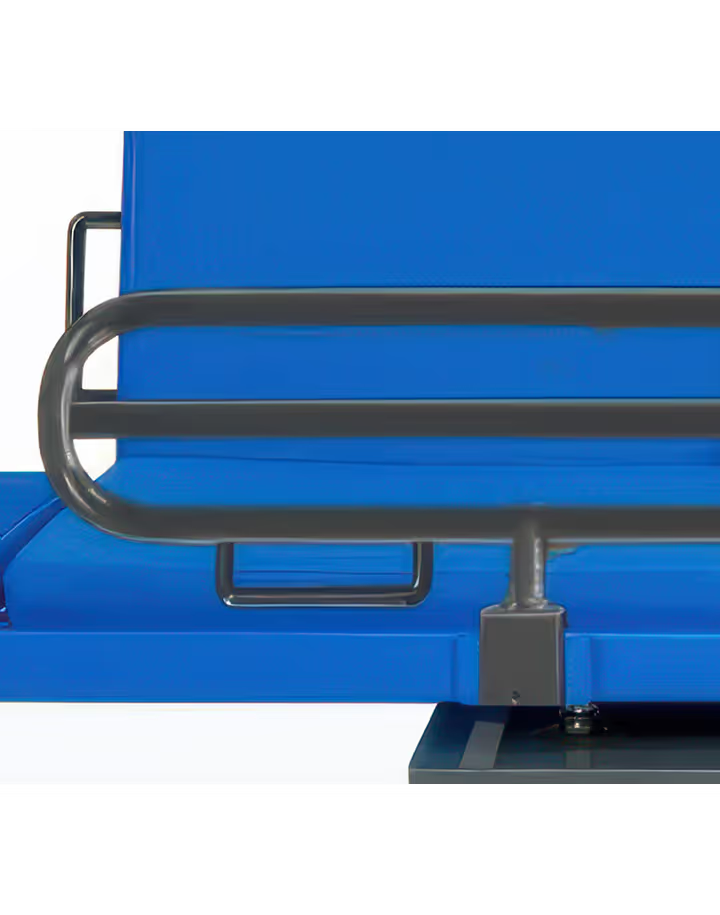
Optional Frame-Mounted Resting Rail
A secure rail that slots directly into the frame to provide added support and safety when the patient intends to rest or sleep in the SideLyer.
1
Base Configuration
Provides a neutral, stable lying position for general therapy, assessments, and safe patient positioning.
2
Lifted Position
Raises the entire platform vertically to support safer positioning at caregiver eye level, improving access for care activities and patient interaction.
3
Head-to-Toe Angling
Tilts the body along the longitudinal axis to elevate the chest for respiratory therapy or reverse-angle positioning for improved circulation and edema management.
4
Rotational Adjustment
Enables right or left lateral tilt for weight shifting, pressure relief, and balance or trunk-control training without manual repositioning.
Frequently Asked Questions

Request a Demonstration
See how SideLyer can bring comfort, safety, and peace to your hospice environment. Schedule a virtual demonstration or on-site evaluation with our clinical team.