Pressure Ulcer Treatment & Prevention

Schedule a Demo
Explore Features of the SideLyer

Reduce Pressure Ulcers with SideLyer

When patients cannot reposition independently, pressure injuries can develop quickly and lead to serious complications, extended stays, and increased costs. Maintaining consistent repositioning protocols while managing staff workload often creates a gap between best practices and daily execution.

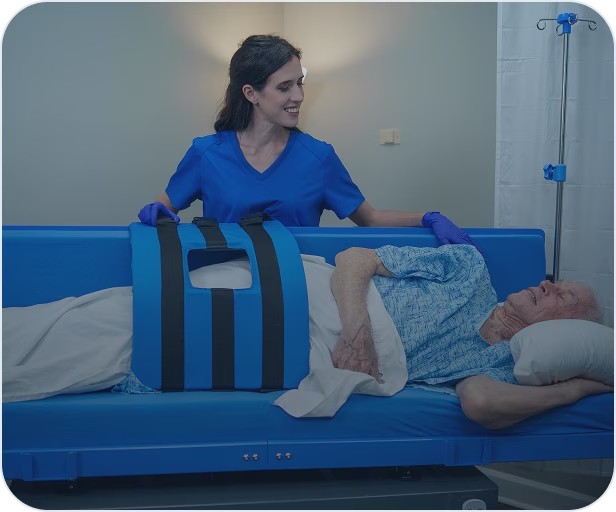
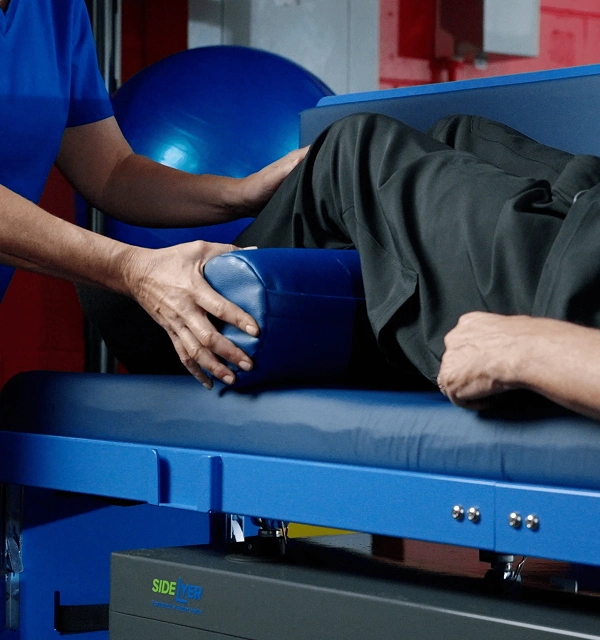
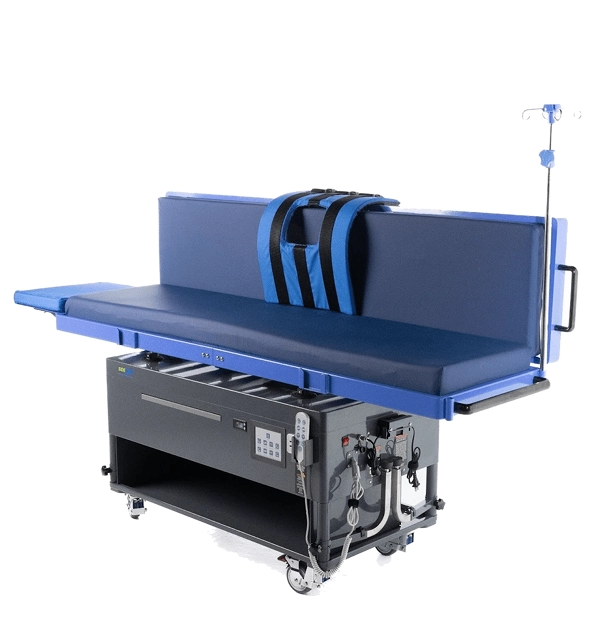
SideLyer addresses these challenges by supporting controlled, motorized repositioning that aligns with clinical protocols. It promotes circulation, supports skin integrity, and reduces the need for frequent manual handling, helping staff deliver more consistent care across shifts.

Schedule a Demo

10× Fewer Pressure Ulcers in Immobile Patients

Pressure ulcers often form when constant pressure reduces blood flow to the skin. SideLyer helps relieve that pressure by supporting safe, angled positioning that improves circulation and reduces stress on vulnerable areas of the body. In fact, patients experience up to 10 times fewer bed sores with SideLyer, helping avoid the painful wounds and lengthy recovery periods that often follow.

Schedule a Demo
Explore Features of the SideLyer

How it Works

Advantages of SideLyer

Advantages of SideLyer

There's a reason 93% of healthcare professionals recommend SideLyer for patients at high risk of pressure ulcers. The benefits of SideLyer include:

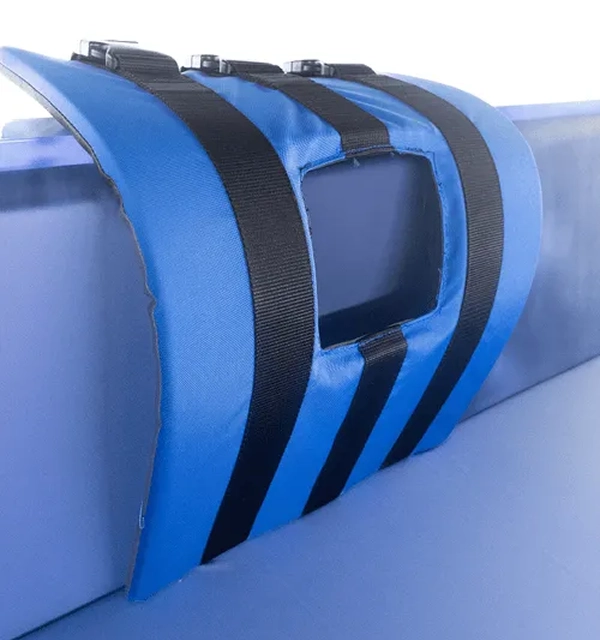
Precise positioning angles that support circulation, pressure redistribution, and skin integrity
Improved adherence to repositioning protocols across care teams
Elevated positioning that supports patient interaction during care and assessments
Motorized repositioning that reduces the need for manual lifting and handling
Easy clean surfaces designed for infection control and daily clinical use
Flexible positioning that supports wound care, therapy, and routine care tasks
Supports patient engagement while reducing isolation
Contact Us

Who Can Benefit From SideLyer?

Individuals might benefit from SideLyer if they are:

Experiencing long-term mobility limitations such as ALS, MS, or spinal injury
Patients in long-term care hospitals (LTCHs)
Post-surgery patients
Individuals at high risk of skin breakdown
Patients with limited mobility or reduced sensation
Patients on prolonged bed rest

Studies show that pressure-relieving devices can significantly reduce HAPIs and start generating returns after 6 months. Let the SideLyer take pressure injuries off your list.

Schedule a Demo
who-can-benefit-from-sidelyer

Why Medical Facilities Choose SideLyer

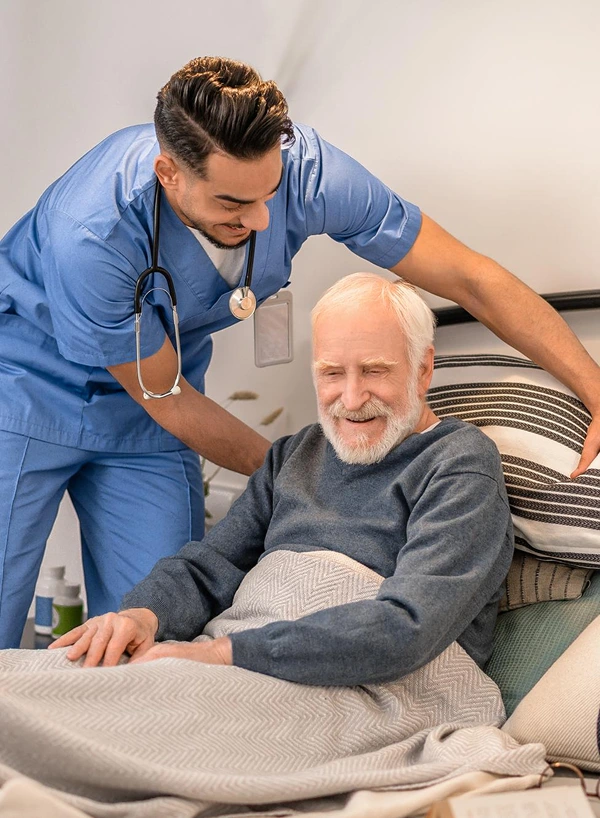
From a cost perspective, each avoided hospital-acquired pressure injury can save approximately $21,000 in direct costs. In many cases, a single SideLyer unit pays for itself after preventing just one pressure injury, often within the first few months of use. Facilities also benefit from fewer workers’ compensation claims, improved staff retention, and stronger performance around safety metrics.
Explore Features of the SideLyer

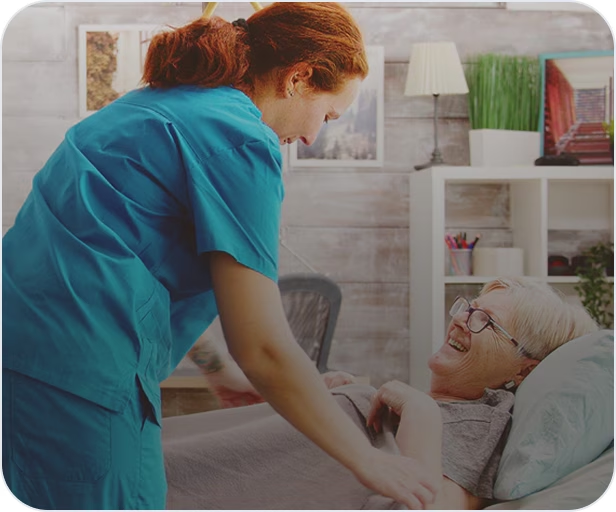
Additionally, healthcare teams need solutions that support patient outcomes while reducing operational strain and cost. With SideLyer, clinical teams can:
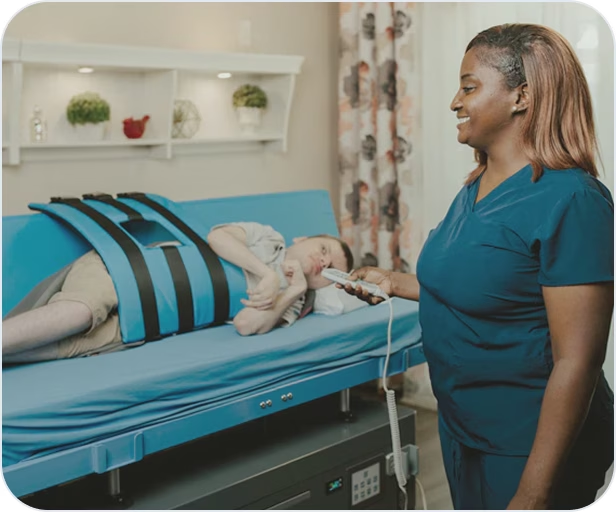
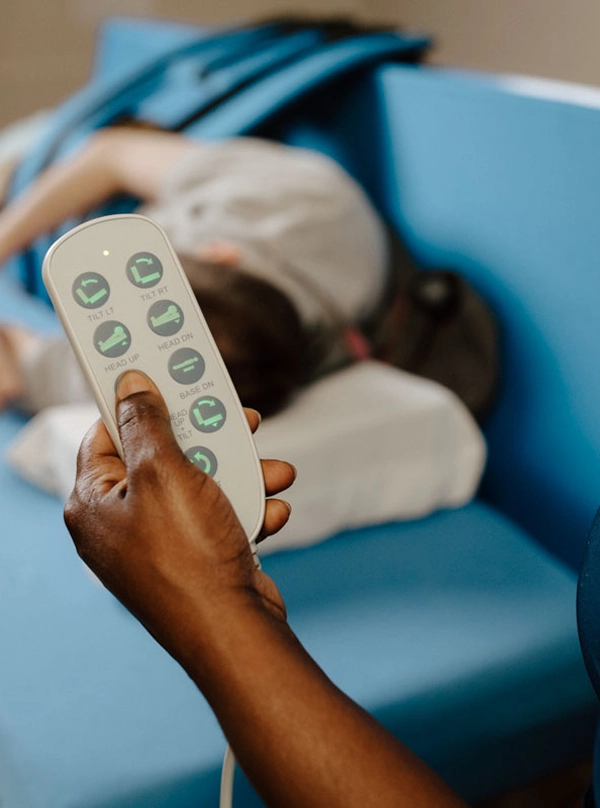
Reposition patients using simple motorized controls
Support pressure injury prevention protocols with greater consistency
Reduce physical strain and risk of staff injury during repositioning
Allow a single staff member to complete tasks that often require two
Improve access for wound care, dressing changes, and hygiene
Support circulation and skin health through controlled positioning
Reduce time spent on manual repositioning across shifts
Reduce the incidence of hospital-acquired pressure injuries
Lower staff injury claims tied to patient handling
Decrease staff fatigue and turnover
Contact Us

Our Mission

Our mission is to reduce pressure ulcers for individuals with limited mobility while protecting the well-being of their caregivers. We help family members and healthcare facilities eliminate preventable pressure injuries and reduce caregiver injuries from manual repositioning. By providing advanced motorized repositioning, we enhance operational efficiency, reduce burnout, and support dignity and independence for individuals who cannot reposition themselves.

Schedule a Demo

Frequently Asked Questions

How do we get started with SideLyer? +
Begin by scheduling a virtual demo with our team. During the demo, you can see how the system works and ask questions about how it could support patients. After the demo, you have the option of a 90-day free trial to see how SideLyer fits into your facility's care routine.
Is SideLyer covered by insurance? +
SideLyer is often offered through insurance, depending on eligibility. The retail price is $11,000 with insurance coverage or $6,900 without insurance. Our team is available to help families understand coverage options and what the final cost might look like based on your situation.
Can our health facility rent SideLyer instead of purchasing it? +
Yes. SideLyer is also available as a rental option for those who prefer not to purchase the system outright. The rental cost is $550 per month with a minimum commitment of 13 months.
When should we use SideLyer in a care plan? +
SideLyer is often used when a patient cannot reposition themselves or needs consistent support to stay in safe positions throughout the day and relieve pressure. In many care plans, repositioning helps protect vulnerable areas of the body from prolonged pressure and supports circulation. SideLyer makes this easier by allowing caregivers to adjust positioning with simple motorized controls, helping maintain comfort while supporting skin protection and daily care routines.
How do pressure ulcers/pressure sores form in immobile patients? +
Pressure sores often develop gradually when several physical factors come together. Limited movement, moisture, friction, and fragile skin can all increase the chances of injury. These wounds often start small but can worsen over time if pressure continues on the same area. Families and healthcare providers often focus on regular repositioning and supportive surfaces to reduce the risk of developing bed sores.
How does SideLyer support care when dead tissue is present? +
SideLyer improves positioning so clinicians can access affected areas without repeated manual turns. It supports safer pressure ulcer management while teams remove dead tissue and monitor wound healing.
How does SideLyer help prevent pressure ulcers in high-risk patients? +
SideLyer supports pressure ulcer prevention through consistent repositioning, reducing the conditions where pressure ulcers occur. It helps address risk factors like immobility and poor nutrition. For example, in patients with spinal cord injury, it lowers the chance of developing pressure ulcers and progression into severe pressure ulcers or decubitus ulcers.
How does SideLyer support pressure reduction for at-risk patients? +
SideLyer delivers consistent pressure reduction to limit external pressure, support blood supply, and reduce pain. It works alongside support surfaces to help prevent chronic pressure ulcers, infected pressure ulcers, and chronic wounds.
How does SideLyer support daily skin care routines? +
SideLyer helps staff keep skin clean and dry while making it easier to monitor changes in skin color. It fits into care plans that include moisture barrier creams and supports optimal wound care.
Can SideLyer help manage long-term wound risks? +
Yes. SideLyer supports pressure reduction and consistent positioning, which helps limit progression into chronic pressure ulcers and supports better outcomes for chronic wounds.
How did the SideLyer originate? +

The SideLyer began over a decade ago when a night-shift nurse at Quest Inc. recognized that residents who couldn’t reposition themselves were experiencing preventable pressure injuries—and caregivers were being injured performing manual lifts. She and her carpenter husband built the first handcrafted SideLyer from wood, made in multiple sizes to fit residents’ needs.

These early prototypes were personalized with colors, stickers, trays, and storage—evolving into a beloved tool that improved safety, comfort, and engagement. Over time, this simple idea grew into a patented motorized system engineered to industry standards.

What is Quest Inc., and how is it related to SideLyer? +

Quest Inc. is a 60+ year nonprofit providing homes, care, and support for individuals with developmental disabilities. The SideLyer was invented within Quest Inc.’s residential care program to address pressure ulcers, improve resident quality of life, and reduce caregiver injuries. Today, Quest Inc. remains a key partner, providing decades of frontline insight that shape SideLyer’s design, safety features, and clinical mission.

Watch our story:

What impact has SideLyer had on individuals and their families? +

Individuals have demonstrated improved comfort, fewer pressure wounds, and greater social engagement. Families frequently express relief that their loved one is safer, more comfortable, and better positioned throughout the day.

As one Quest Inc. parent shared, “Most of her pressure is not where she can have a skin breakdown. It takes the pressure off the body.”

Others noted that wounds once expected to take “months and months” to heal, recovered in a fraction of the time due to consistent repositioning.