Hospitals and Healthcare Organizations

Wound Care Prevention for Hospitals

Call Now

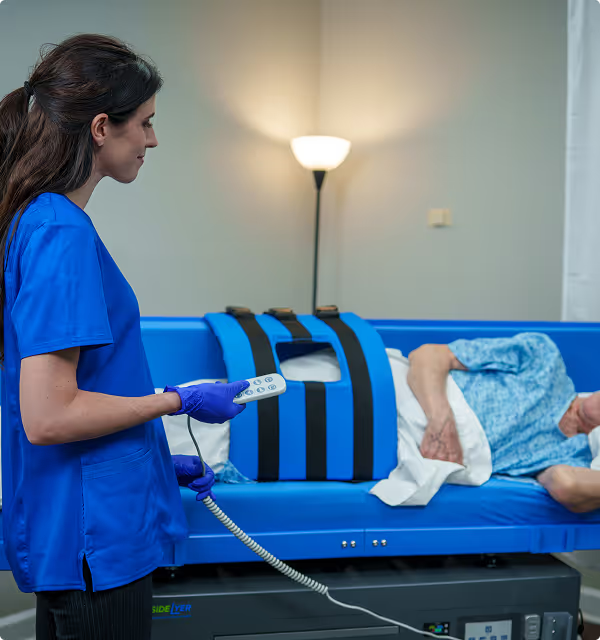
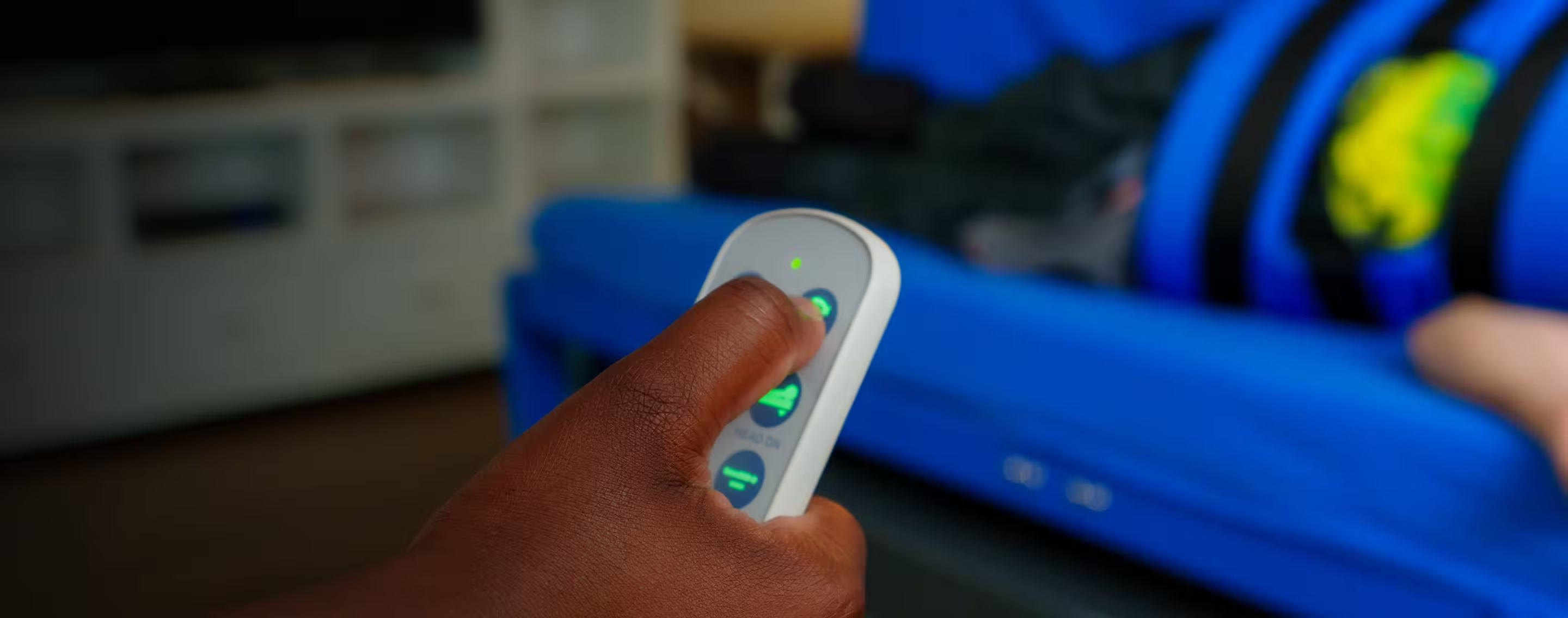
The SideLyer system decreases the frequency of manual patient repositioning, enabling a single caregiver to reposition patients with the touch of a button
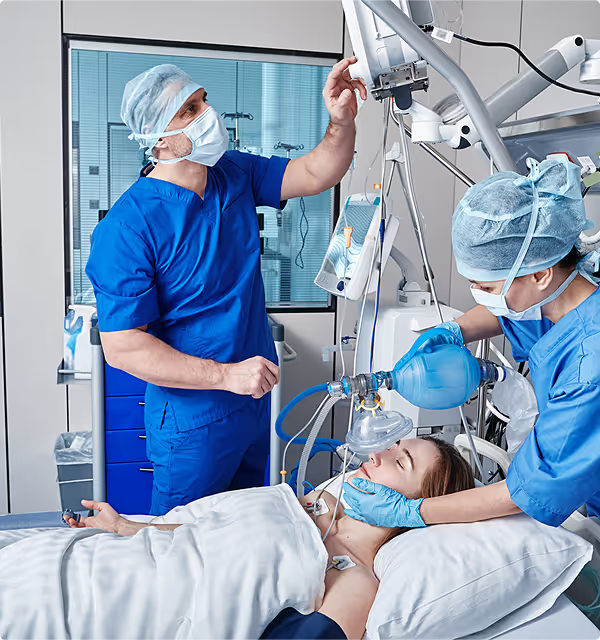
Medical team in blue scrubs and masks providing anesthesia and monitoring a patient lying unconscious on a hospital bed.

Supporting Nursing Staff

SideLyer facilitates smoother, controlled patient turning, helping care teams maintain access for wound care and hygiene while minimizing unnecessary movement:

  • Reduces pressure ulcers by 10-fold


  • Improves access to various body regions for dressing changes and debridement without needing to manually reposition the patient

  • Regular, slow turning stimulates circulation–especially in the lower extremities–by promoting venous and lymphatic flow, much like passive movement

  • Reducing manual handling lowers the risk of contamination and infection spread

Call Now

How SideLyer Can Help Hospitals

SideLyer benefits not just the patients but also the clinical staff. By reducing the need for manual repositioning, SideLyer helps to keep your care teams healthier and on the floor, where they are needed most. With the touch of a button, SideLyer changes pressure distribution in patients by varying positioning angles. Having a single nurse perform repositioning while using remote control—without the need for pillows or wedges that may slide out of place—helps, especially during short-staffed shifts:

  • Improves compliance with repositioning protocols

  • Decreases staff fatigue and turnover

  • Reduces staff injury claims due to patient repositioning by 28%

  • Is very easy to use

Hospitals and Healthcare Organizations
Healthcare professionals in white coats and formal wear having a meeting in a conference room with medical data charts displayed on a large screen.

Reducing Costs

Each avoided hospital-acquired pressure injury (HAPI) saves approximately $21,000 in direct costs. A single SideLyer unit can pay for itself after preventing just one pressure injury—often within the first months of use. Hospitals using the SideLyer have the opportunity to:

  • Reduce incidence of hospital acquired pressure injuries

  • Support their reputation for safety and innovation

  • Reduce incidence of nurse injuries and workers’ compensation claims

  • Decrease staff fatigue and turnover

Call Now

Who can benefit from SideLyer?

  • Patients in long-term care hospitals (LTCHs)

  • Post-surgery patients

  • Individuals at high risk of skin breakdown

  • Patients with limited mobility or reduced sensation

  • Patients on prolonged bed rest

Studies show that pressure-relieving devices can significantly reduce HAPIs and start generating returns after 6 months. Let the SideLyer take pressure injuries off your list, so your hospital team can focus on what matters most - saving lives.
Close-up of a patient's hand with an intravenous (IV) line inserted, resting on a white hospital blanket.

Key features include

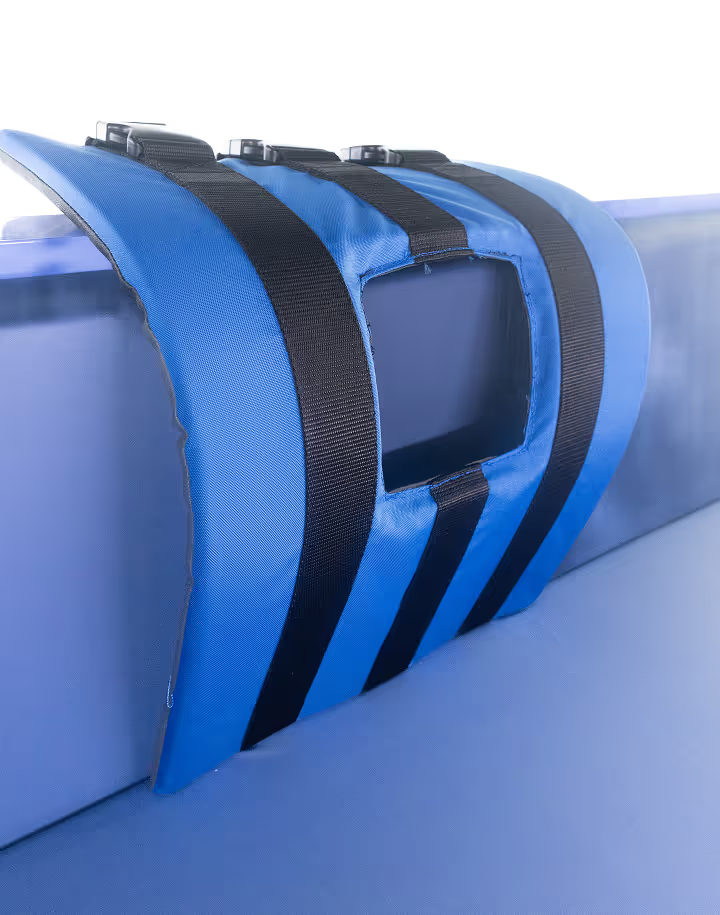
Blue padded water sports floatation device with black straps and a rectangular cutout in the center, attached to the side of a blue pool or tank.
Close-up of a metal support leg with a black rubber base attached to a glossy blue surface.
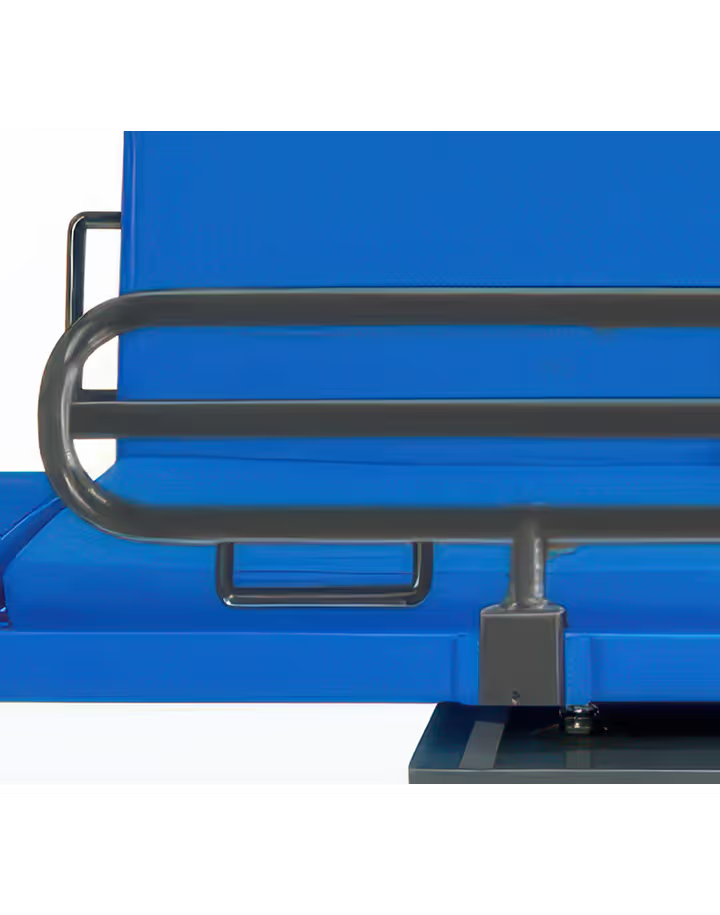
Close-up of a blue padded medical examination table featuring a gray side lever platform and metal support legs.
Close-up of a blue cushioned medical examination or treatment table with attached electronic components and cables.
Close-up of a gray caster wheel with a red pedal lock labeled ON and OFF attached to a metal frame.
Close-up of a metal caster wheel with blue suspension springs attached to a piece of equipment.
Close-up of a blue and stainless steel IV pole attached to the side of a blue hospital bed with adjustable straps.
Explore Features of the SideLyer
Blue padded water sports floatation device with black straps and a rectangular cutout in the center, attached to the side of a blue pool or tank.
Close-up of a metal support leg with a black rubber base attached to a glossy blue surface.
Close-up of a blue padded medical examination table featuring a gray side lever platform and metal support legs.
Close-up of a blue cushioned medical examination or treatment table with attached electronic components and cables.
Close-up of a gray caster wheel with a red pedal lock labeled ON and OFF attached to a metal frame.
Close-up of a metal caster wheel with blue suspension springs attached to a piece of equipment.
Close-up of a blue and stainless steel IV pole attached to the side of a blue hospital bed with adjustable straps.
Explore Features of the SideLyer
Call Now

Advanced Movement and Therapeutic Angling

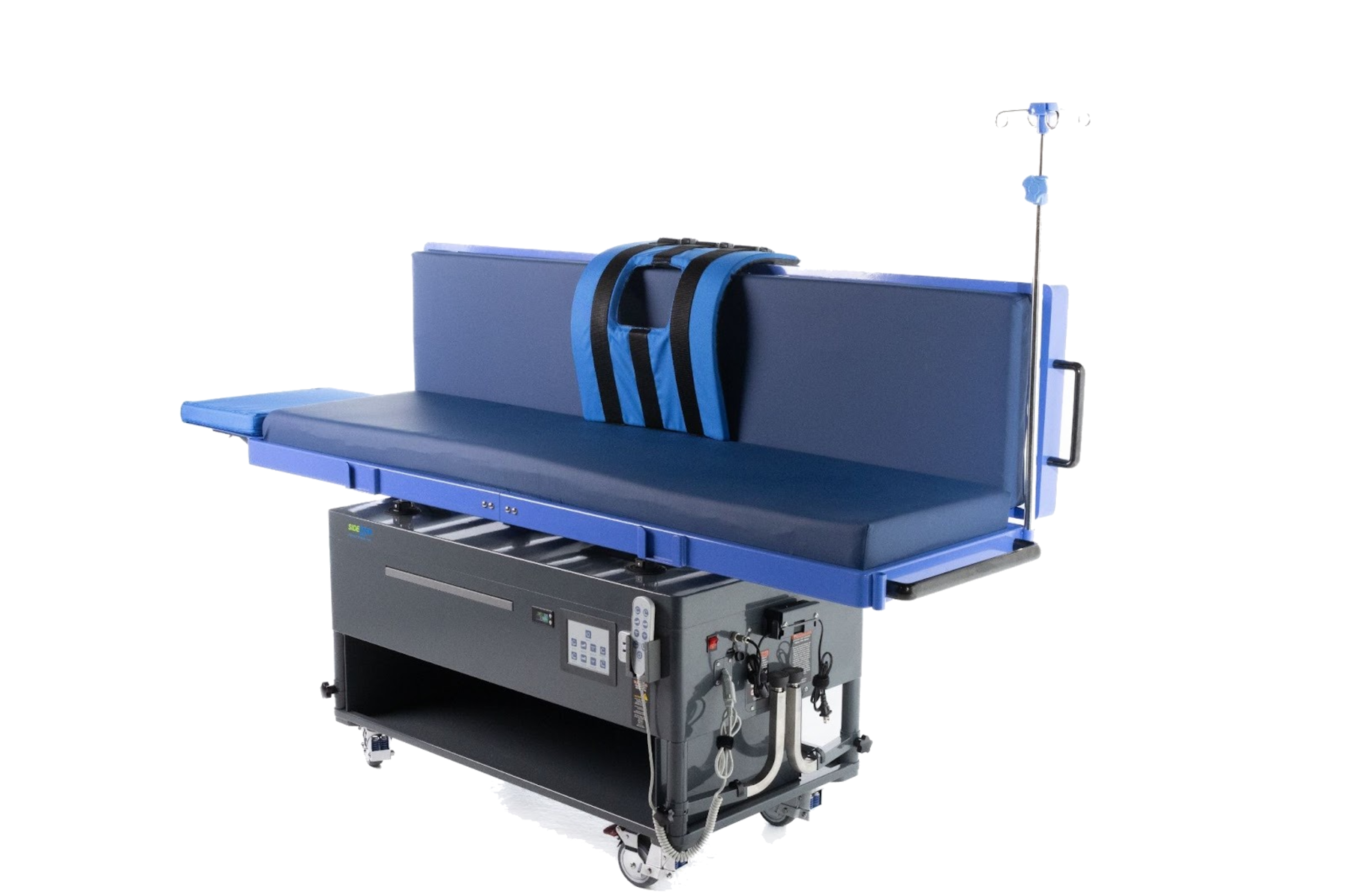
With a single touch, a nurse can elevate, angle or tilt the patient for the desired therapeutic position quietly and smoothly.

Advanced Movement and Therapeutic Angling

Partner With Us

Whether you’re launching a new pressure injury prevention initiative or enhancing an existing program, the SideLyer can play a central role in driving measurable results. Let’s work together to improve outcomes and reduce preventable harm.
Contact us to schedule a demo or request a trial of your unit

Schedule a Demo
Request a Demo

Frequently Asked Questions

How do we get started with SideLyer? +
Your hospital can begin by scheduling a virtual demo with our team. During the demo, you can see how the system works and ask questions about how it could support your patients. After the demo, you have the option of a 90-day free trial to see how SideLyer fits into your care routine.
Is SideLyer covered by insurance? +
SideLyer is often offered through insurance, depending on eligibility. The retail price is $11,000 with insurance coverage or $6,900 without insurance. Our team is available to help families understand coverage options and what the final cost might look like based on their situation.
Can our hospital rent SideLyer instead of purchasing it? +
Yes. SideLyer is also available as a rental option for hospitals that prefer not to purchase the system outright. The rental cost is $550 per month with a minimum commitment of 13 months.
Can the SideLyer help hospitals meet CMS quality and safety goals for pressure injury prevention? +
Yes. By reducing the incidence of pressure sores and supporting pressure ulcer prevention efforts, SideLyer aligns with CMS quality initiatives tied to patient safety and reduced HACRP penalties. Many facilities also focus on lowering facility-acquired pressure injuries as part of broader prevention programs.
What is the SideLyer system for hospitals? +
The SideLyer is a motorized patient support system designed for the prevention of pressure injuries, also known as pressure ulcers or bedsores. It allows staff and caregivers to safely reposition patients at the touch of a button instead of relying on manual turning, pillows, or wedges. This type of consistent repositioning can support improved patient outcomes for individuals with limited mobility.

Some facilities incorporate SideLyer into repositioning protocols that align with broader clinical practice guidelines and risk assessment tools.
How does the SideLyer improve staff safety and reduce injuries? +
Manual patient repositioning every two hours is physically demanding and a common cause of caregiver strain. SideLyer reduces repetitive lifting and repositioning demands, lowering the risk of musculoskeletal injuries while supporting safer care for patients with spinal cord injury or other conditions that limit mobility.
How long does it take to learn how to use the SideLyer? +
With simple operating controls and an intuitive interface, it takes only a few minutes to learn how to operate the SideLyer. In fact, 93% of SideLyer users rank its ease of use at 4.6 on a 5-point scale, where 5 is "very easy to use," and 4 is "easy to use."
Is the SideLyer suitable for hospitals with high patient turnover? +
Yes. SideLyer’s design allows quick cleaning and setup, making it practical for facilities with many daily admissions. Some hospitals find the SideLyer useful for patients at higher risk of wound infection, surgical site infection, or developing pressure ulcers during longer stays or recovery periods.
How does the SideLyer help prevent pressure injuries? +
SideLyer uses an electric lift system to adjust the patient’s position and redistribute pressure across different areas of the body. This reduces prolonged compression on vulnerable skin and tissues, which is one of the leading risk factors associated with pressure injury development, deep wounds, and declining patient outcomes.
Can SideLyer support patients receiving advanced wound care treatments? +
Yes. Facilities sometimes use SideLyer as part of broader wound healing and repositioning protocols for patients receiving negative pressure wound therapy or recovering from complex wounds. Consistent repositioning can also help promote healing while reducing prolonged pressure on vulnerable areas.
Why is consistent repositioning so important for pressure ulcer prevention? +
Patients with limited mobility often stay in the same position for very long periods, increasing pressure on specific areas of the body. Regular repositioning is a core part of the pressure ulcer conceptual framework used in many healthcare settings because it helps reduce tissue stress and supports long-term skin protection.
How does SideLyer support preventive measures for patients with limited mobility? +
SideLyer helps hospital staff maintain consistent repositioning schedules for patients who cannot move independently. Many hospitals use repositioning systems like SideLyer as part of broader preventive measures aimed at reducing tissue injury, protecting soft tissue, and lowering the likelihood that pressure-related injuries develop during extended stays.
Can SideLyer be used in both acute care hospitals and skilled nursing facilities? +
Yes. SideLyer is designed for a wide range of care settings, including acute care hospitals and skilled nursing facilities. Facilities caring for high-risk or medically complex patients often look for repositioning systems that support comfort, efficiency, and prevent pressure ulcers during daily care routines.
How does repositioning help support skin integrity and wound care efforts? +
Consistent repositioning can help reduce prolonged pressure, manage skin moisture concerns, and support patients who require ongoing wound management. Hospitals tend to incorporate SideLyer into care plans that involve wound dressings or monitoring wound drainage in patients with limited mobility.
Request a Demonstration

Request a Demonstration

See how SideLyer can bring comfort, safety, and peace to your healthcare institution environment. Schedule a virtual demonstration or on-site evaluation with our clinical team.

Schedule a Demo
Request a Demo