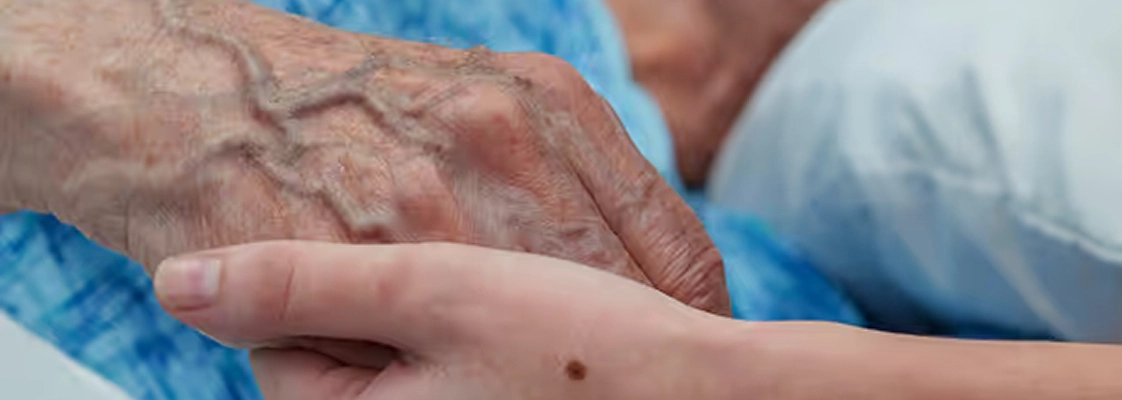
Pressure injuries remain one of the most persistent and costly complications in healthcare, especially among patients with limited mobility. They occur when sustained pressure restricts blood flow to the skin and underlying tissue, eventually leading to tissue damage.
Preventing these injuries requires consistent repositioning, yet manual turning is often difficult to maintain due to staffing limitations, workload demands, and patient volume. As a result, gaps in care can occur even in well-managed facilities.
Motorized Repositioning introduces a more reliable approach by automating patient movement and pressure redistribution. This helps ensure consistent turning schedules while reducing caregivers' physical strain. Sidelyer supports this approach by delivering structured repositioning that improves both patient outcomes and caregiver safety.
Motorized Repositioning refers to automated systems that reposition patients at controlled intervals to reduce prolonged pressure on vulnerable body areas. Instead of relying solely on manual effort, movement is managed through programmed, repeatable cycles.
How It Works in Clinical Settings
How It Differs From Manual Turning
Manual turning depends on caregiver availability and physical capacity, leading to inconsistencies. Motorized Repositioning delivers:
Manual turning has been a long-standing practice in healthcare, but it is not always sufficient to fully prevent pressure injuries in high-risk patients.
Inconsistent Repositioning Schedules
Even in structured care environments, turning schedules can be disrupted by:
These interruptions increase the risk of prolonged exposure to pressure.
Physical Strain on Caregivers
Manual repositioning requires significant physical effort, including:
This contributes to fatigue and workplace injuries over time.
Limited Duration of Pressure Relief
Manual repositioning provides temporary relief, but pressure builds again between scheduled turns. This cycle makes it difficult to maintain consistent offloading throughout the day and night.
Motorized Repositioning addresses key limitations of manual turning by ensuring consistent, automated pressure redistribution.
Continuous Pressure Redistribution
Instead of relying on intermittent movement, Motorized Repositioning:
Protection of High-Risk Areas
Common pressure injury sites include:
Motorized Repositioning reduces continuous pressure on these areas through controlled adjustments.
Improved Compliance With Care Protocols
Automated systems help ensure repositioning schedules are consistently followed, even during high-workload periods.
Facilities that integrate Motorized Repositioning report measurable improvements in both patient safety and operational efficiency.
These outcomes reflect both clinical improvements and reduced caregiver burden.
Motorized Repositioning improves working conditions for healthcare professionals by reducing physically demanding tasks.
Reduced Physical Strain
Caregivers experience:
Improved Workflow Efficiency
Staff can:
Safer Work Environment
Lower physical demands contribute to improved long-term workforce sustainability.
Motorized Repositioning enhances both clinical outcomes and patient experience.
Improved Comfort
Automated movement provides:
Better Skin Protection
Consistent pressure redistribution helps reduce the risk of skin breakdown and pressure injury development.
Enhanced Patient Experience and Engagement
Sidelyer improves patient positioning by supporting elevated and angled positions that allow individuals to:
Motorized Repositioning is especially valuable in care environments where patients face high immobility risks, including:
Modern systems are designed to integrate seamlessly into clinical workflows while improving care consistency.
Automated Position Scheduling
Repositioning intervals can be customized based on patient risk and care plans.
Multi-Angle Position Support
Supports controlled adjustments that help:
Caregiver Safety Enhancement
Reduces the need for repetitive manual lifting and turning.
Integrated Care Systems With Sidelyer
Sidelyer delivers structured motorized repositioning that improves consistency in pressure injury prevention while supporting caregiver safety and workflow efficiency.
Adoption of Motorized Repositioning strengthens existing pressure injury prevention protocols.
Integration With Care Plans
It works alongside established repositioning and wound prevention strategies.
Staff Training and Adoption
Systems are designed for straightforward use with minimal disruption to workflow.
Long-Term Facility Impact
Over time, facilities experience:
Motorized Repositioning is a major advancement in pressure injury prevention that ensures consistent repositioning, reduces caregiver strain, and improves patient comfort. Sidelyer strengthens this approach by delivering structured automated repositioning that supports safer care environments and more reliable clinical outcomes. As healthcare systems continue to face staffing pressures and rising patient acuity, Motorized Repositioning plays a key role in improving both patient safety and caregiver well-being.
