
Wound Care Prevention for Assisted Living Facility
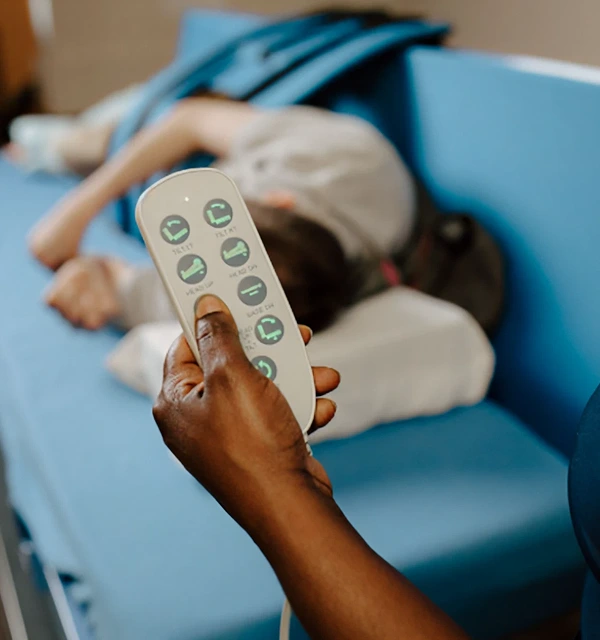
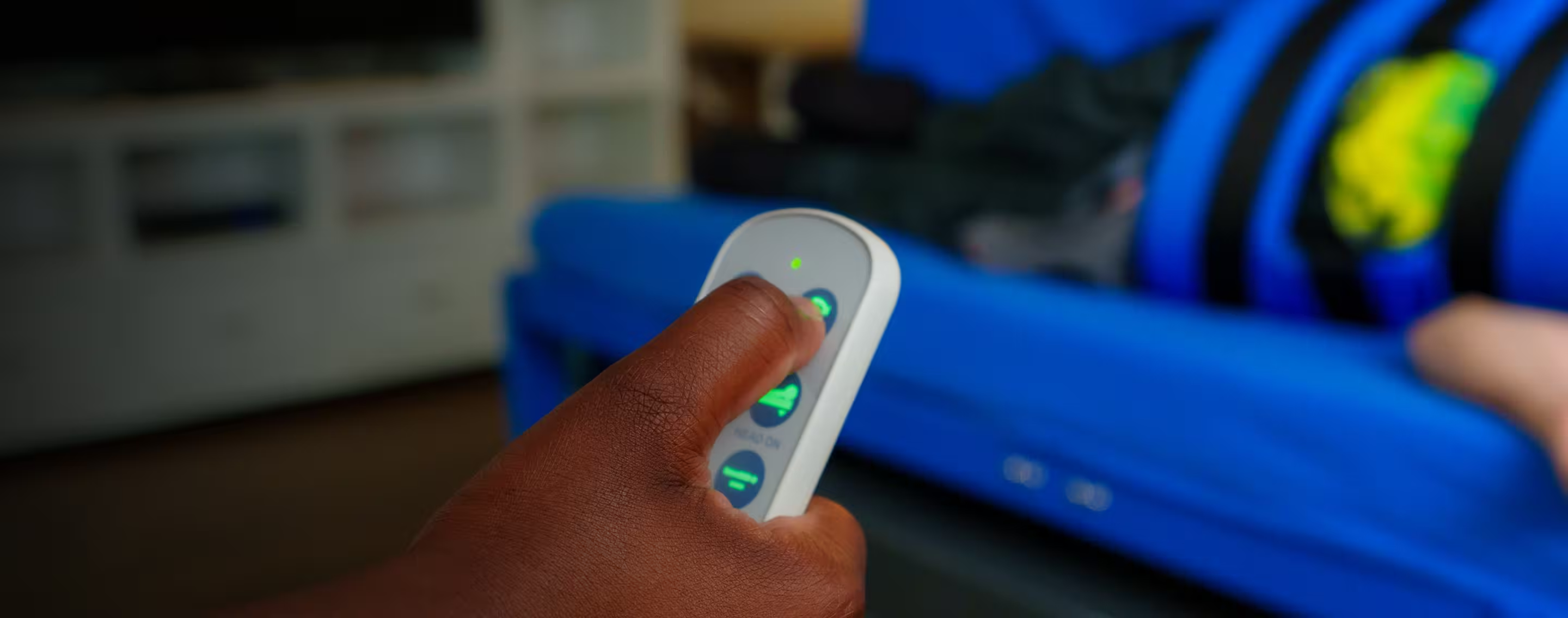
Repositioning residents no longer requires a team effort. SideLyer lets a single caregiver safely turn a resident with the touch of a button, cutting down on manual repositioning throughout the day.

Supporting Your Assisted Living Facility
SideLyer turns residents slowly and smoothly, giving caregivers easy access for wound care and hygiene without all the extra lifting and shifting:
Cuts pressure ulcer rates by 10-fold
Makes dressing changes and skin checks easier; caregivers can reach the areas they need without manually repositioning the resident
Gentle, regular turning gets blood flowing, especially in the legs and feet, much like passive movement does
Less hands-on handling means fewer chances for germs to spread
Wound Care for Skilled Nursing Facility: Reducing Staff Injury Claims by 28%
SideLyer benefits not just residents but also caregiving staff at your facility. By reducing the need for manual repositioning, SideLyer helps keep your care teams healthier and available where they're needed most.
Reduces staff injury claims due to resident repositioning by 28%
Improves compliance with repositioning protocols
Decreases staff fatigue and turnover
Is very easy to use
Reducing Costs
Pressure injuries are expensive to treat and even harder to reverse once they've developed, each one avoiding saving an estimated $21,000 in direct care costs. That means a single SideLyer unit can pay for itself after preventing just one pressure injury, often within the first few months of use. Beyond that upfront savings, facilities that invest in prevention tend to see the payoff show up in several places at once:
Lower spending on wound treatment, dressings, and related care
Fewer workers' compensation claims tied to manual repositioning injuries
Less turnover and overtime driven by staff burnout
A stronger reputation with families and referral sources for quality, proactive care
Who can benefit from SideLyer?
Residents with limited mobility or reduced sensation
Residents recovering after a hospital stay or surgery
Individuals at high risk of skin breakdown
Residents who spend extended time in bed
Aging residents with chronic conditions that affect circulation or skin integrity
Studies show that pressure-relieving devices can significantly reduce pressure injuries and start generating returns after 6 months. Let SideLyer take pressure injuries off your list, so your team can focus on helping residents live safely and comfortably.
Key features include
.avif)
.avif)
.avif)
.avif)
.avif)
.avif)
1
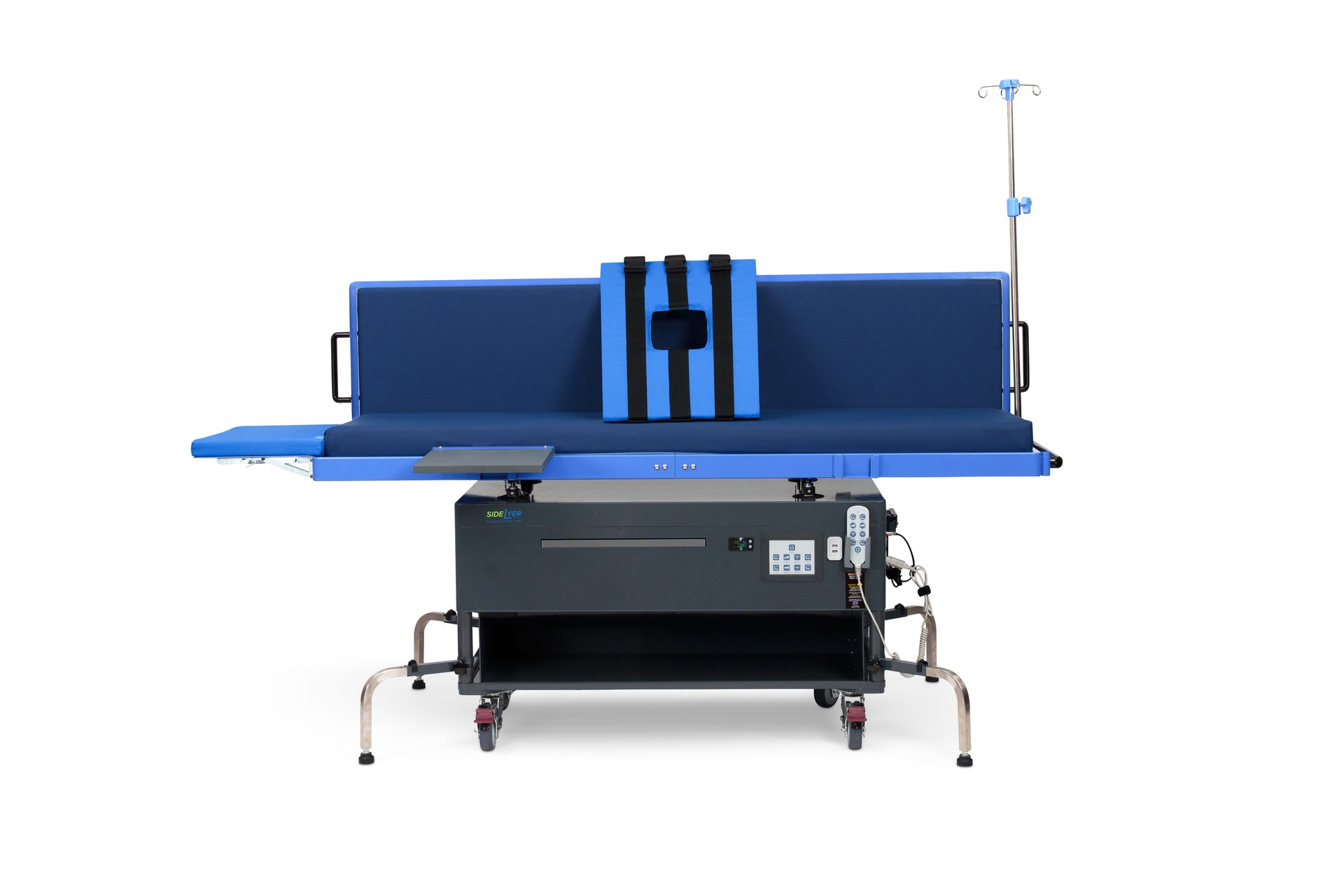
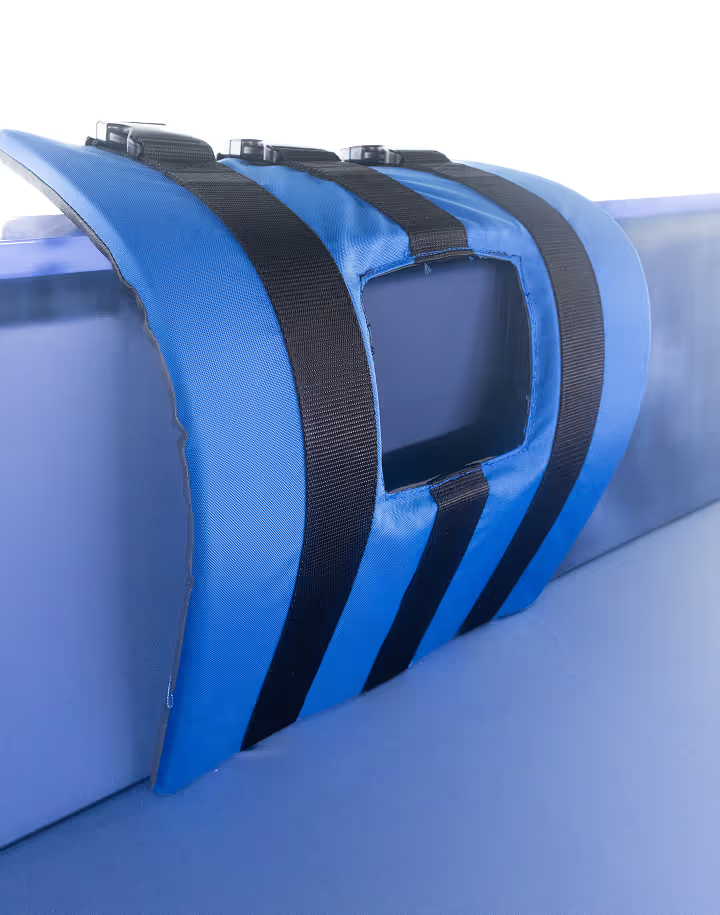
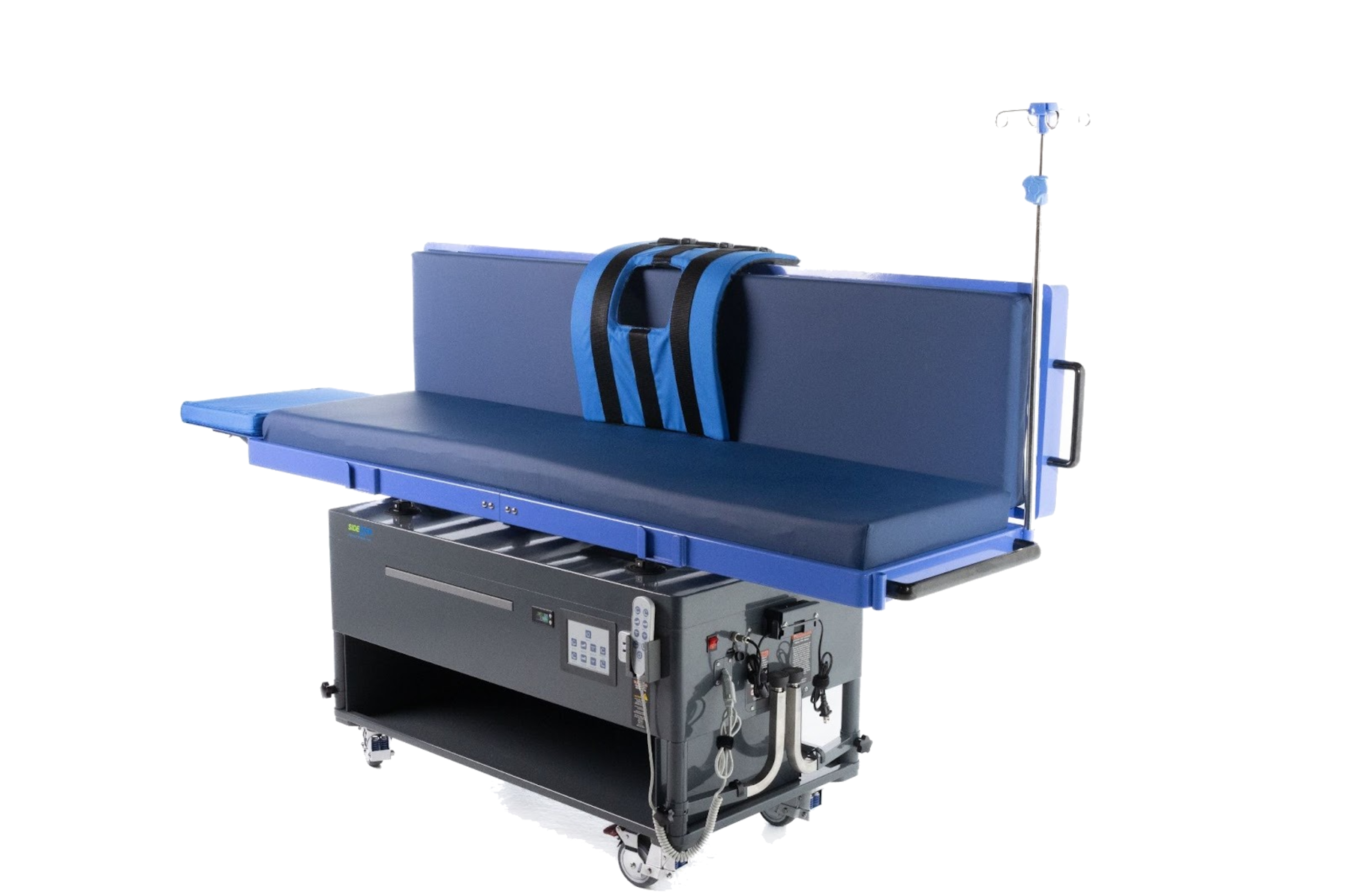
Detachable Safety Strap
Designed to accommodate G-tubes and other medical lines while keeping the patient secure during all positioning modes.
2
Electric Vertical Lift System
Provides smooth vertical elevation, angled positioning, and rotational adjustment — all controlled with a simple touch.
3
Detachable Tray
Securely mounts to the frame to support devices, activities, or treatment materials while remaining easy to remove when not in use.
4
Three-Layer Memory Foam Mattress
Features a supportive core, pressure-relief middle layer, gel memory foam top, and a high-performance, cleanable outer cover for maximum comfort and durability.
5
Rolling Caster Wheels
Allow effortless movement throughout the facility, even in tight or busy clinical environments.
6
Integrated Shock Absorbers
Enable smooth transport over thresholds and uneven flooring, protecting patient comfort and device stability.
7
Detachable IV Pole Attachment
Provides convenient management of fluids, medications, or feeding systems without additional equipment clutter.
8
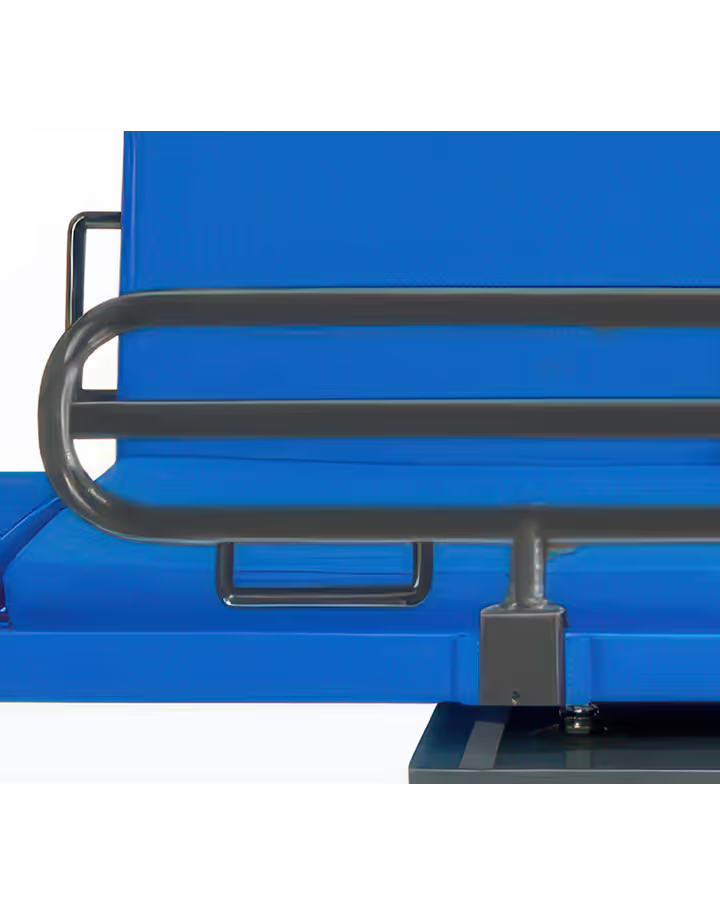
Optional Frame-Mounted Resting Rail
A secure rail that slots directly into the frame to provide added support and safety when the patient intends to rest or sleep in the SideLyer.
1
Base Configuration
Provides a neutral, stable lying position for general therapy, assessments, and safe patient positioning.
2
Lifted Position
Raises the entire platform vertically to support safer positioning at caregiver eye level, improving access for care activities and patient interaction.
3
Head-to-Toe Angling
Tilts the body along the longitudinal axis to elevate the chest for respiratory therapy or reverse-angle positioning for improved circulation and edema management.
4
Rotational Adjustment
Enables right or left lateral tilt for weight shifting, pressure relief, and balance or trunk-control training without manual repositioning.

Partner With Us
If you're building a pressure injury prevention program from the ground up or strengthening one you already have in place, SideLyer can help you get real, measurable results. We'd love to show you how it works. Reach out to schedule a demo or request a trial unit for your community.
Frequently Asked Questions
Request a Demonstration
See how SideLyer can bring comfort, safety, and peace to your assisted living facility. Schedule a virtual demonstration or on-site evaluation with our clinical team.