Wound Care Prevention for Intermediate Care Facilities (ICF/IID) in Connecticut
Prevent and treat pressure ulcers
Reduce strain on staff with motorized lift

Why SideLyer matters to the intellectually and developmentally disabled
For anyone whose mobility needs are complex, three things sit at the heart of daily care: being repositioned on a regular basis, having pressure relieved before skin gives way, and having real social contact. Attending to all three lowers the chance of pressure related complications and lifts comfort, independence where it is achievable, and the quality of human connection. Much of Connecticut’s ICF/IID capacity sits in smaller homes spread across the state, where a single unit has to serve several residents well.
Who benefits from a SideLyer in Connecticut?
People with intellectual or developmental disabilities
Individuals served by intermediate care facilities
Medical group home residents
Residents whose care requires repositioning throughout the day
Anyone at risk of developing pressure ulcers or contractures
Call Now
Proven Pressure Ulcer Prevention for Immobile Residents
Residents who cannot move independently are more likely to develop pressure injuries, simply because they hold one position for hours at a time. Routine repositioning and deliberate pressure management is how skin breakdown gets prevented and general wellbeing gets protected.
With SideLyer, intermediate care facilities and medical group homes can:
Cut the risk of pressure ulcers by better than tenfold
Bring down the costs tied to staff injury claims by 28%
Support venous return, which improves blood circulation
Reduce fluid accumulation in the legs and the sacral area
Let caregivers carry out skin assessments and wound care more efficiently
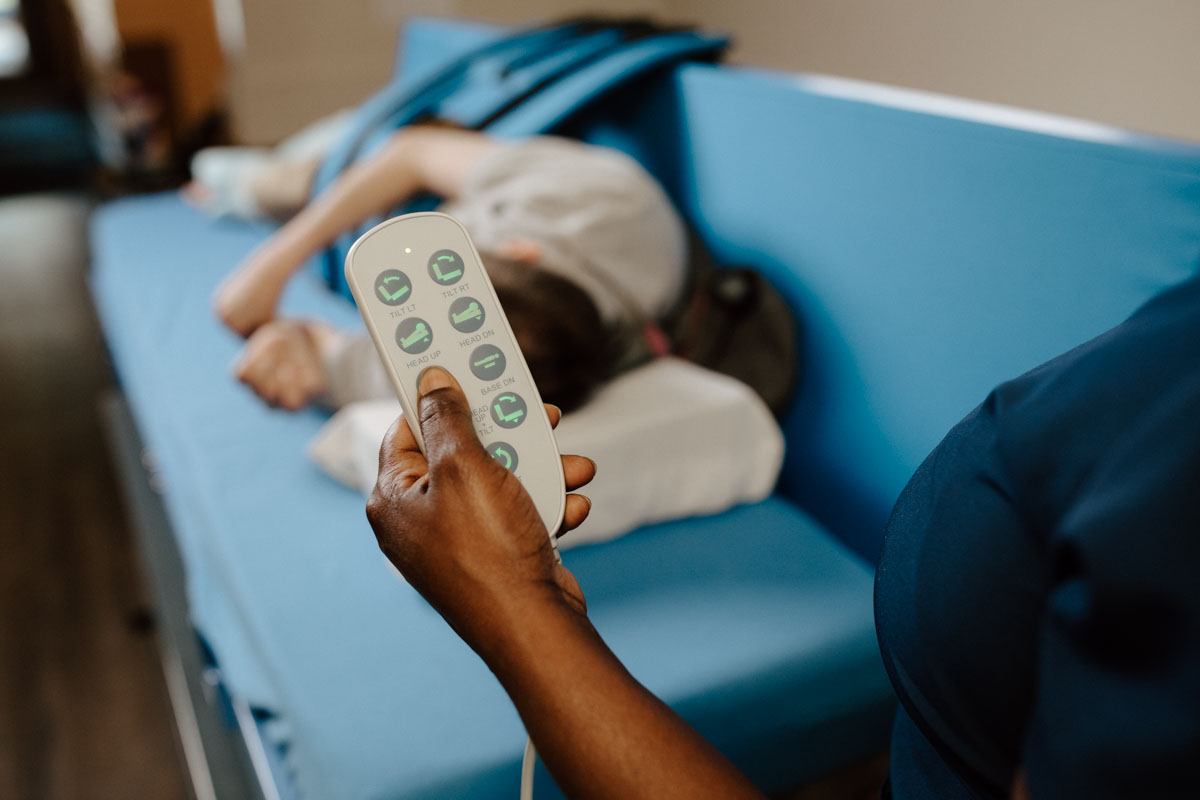

Comfort, Dignity and Socialization for Residents
The SideLyer positions residents smoothly and without noise, which makes care more comfortable to receive while keeping safety, dignity, and efficient caregiving in place.
Complete motorized positioning means a resident can be settled comfortably for eating, medication administration, therapy sessions, and rehabilitation programs.
Side tilt gives caregivers easier reach when they are assisting with wound care, bathing, dressing, hygiene, and transfers.
Vertical elevation raises a resident to eye level, which makes conversation feel natural and encourages real interaction with caregivers, family, and visitors.
Residents remain involved in the ordinary activities of the day while caregivers deliver thoughtful, efficient, person focused care.
Call Now
Safe Handling and Injury Reduction for Your Care Staff
Caregivers who turn residents by hand throughout a shift carry a physical burden that shows up as back, shoulder, and lifting injuries. Motorized repositioning eases that considerably by delivering:
Repositioning schedules that are better coordinated and more efficient
Safer methods of assisting residents through routine care
Less manual lifting, which lowers the injury risk carried by caregivers
As much as 28% fewer caregiver injury claims
Reduced staff turnover and fewer workdays lost to physical strain
The SideLyer was designed around caregivers and residents together, improving safety at work while adding to resident comfort, dignity, and everyday quality of life.
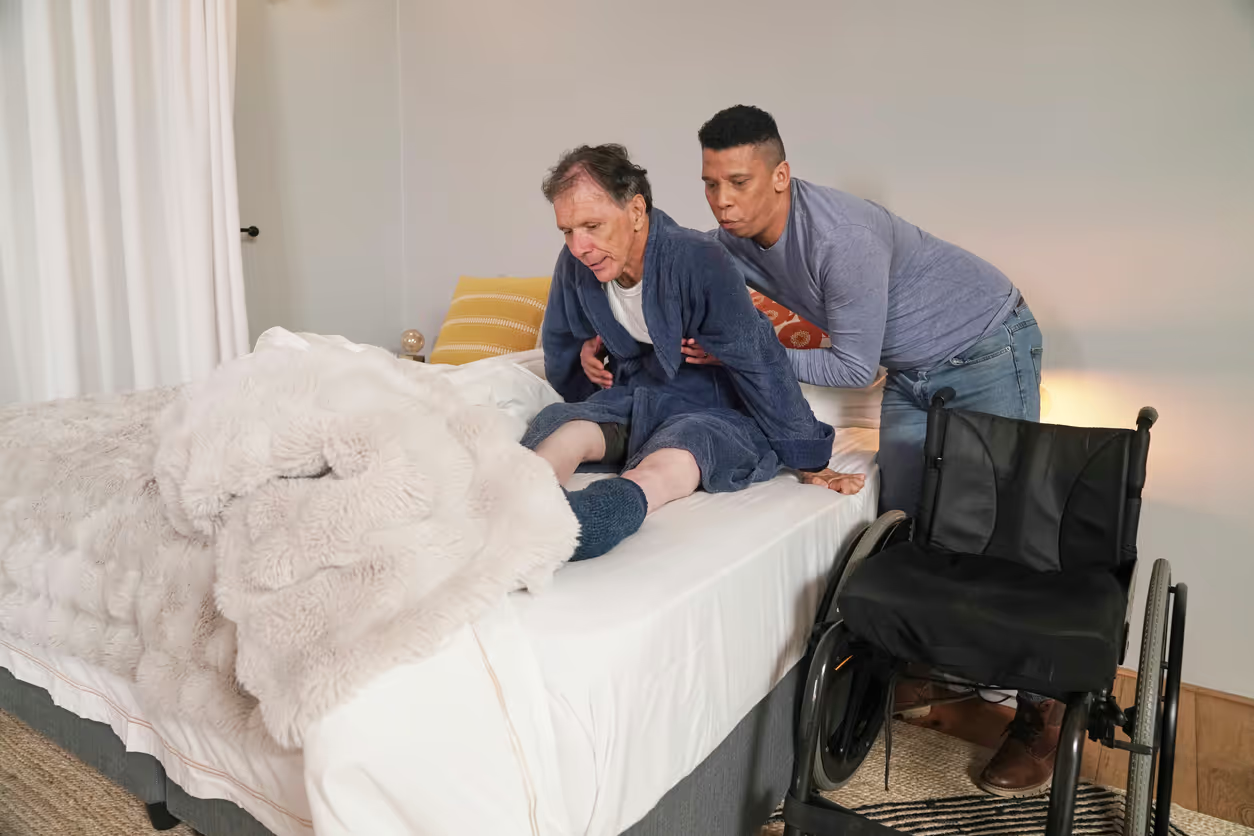
Client Success - Ann Storck
Center (Fort Lauderdale, FL)
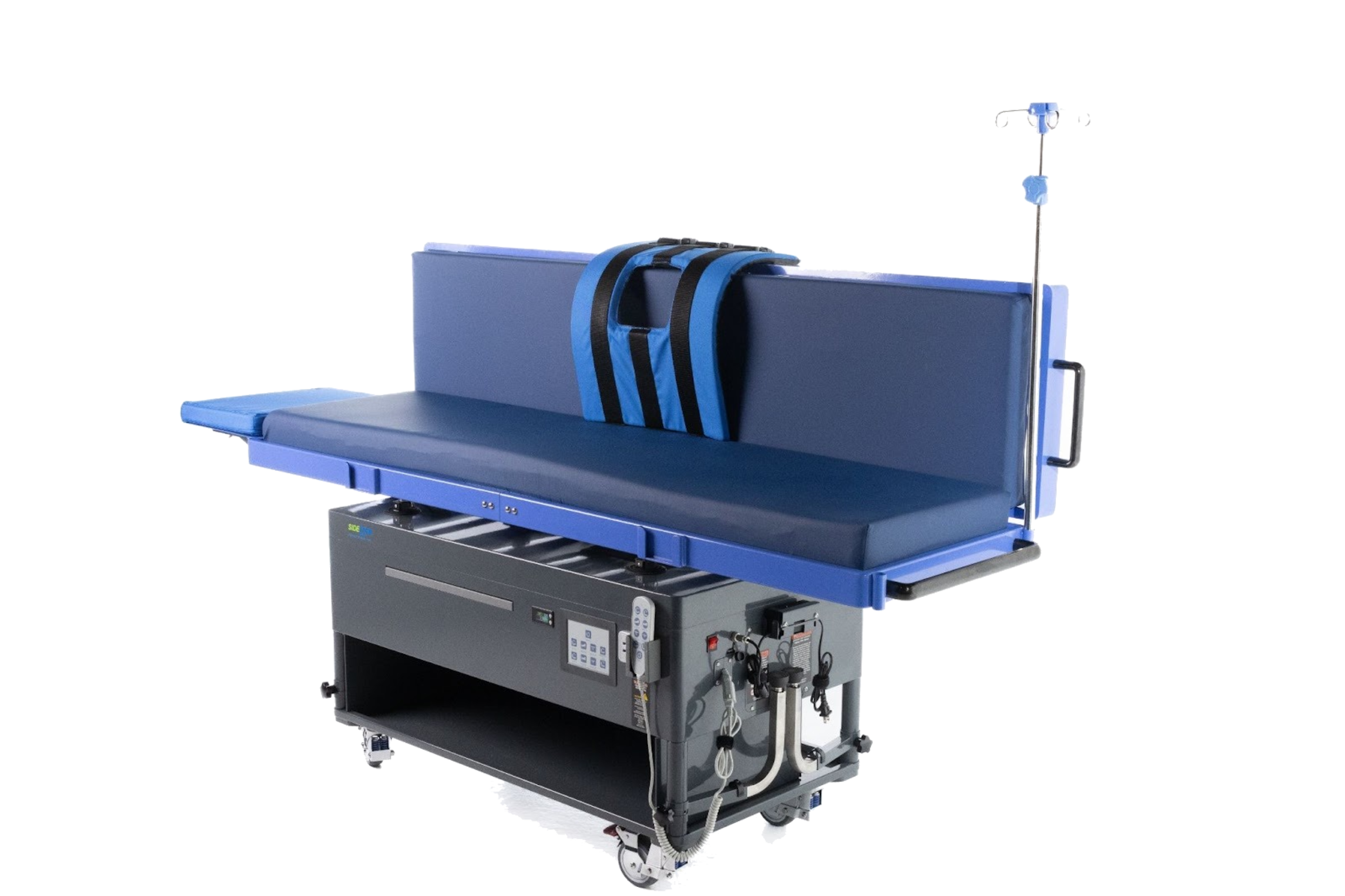
Key features include


1
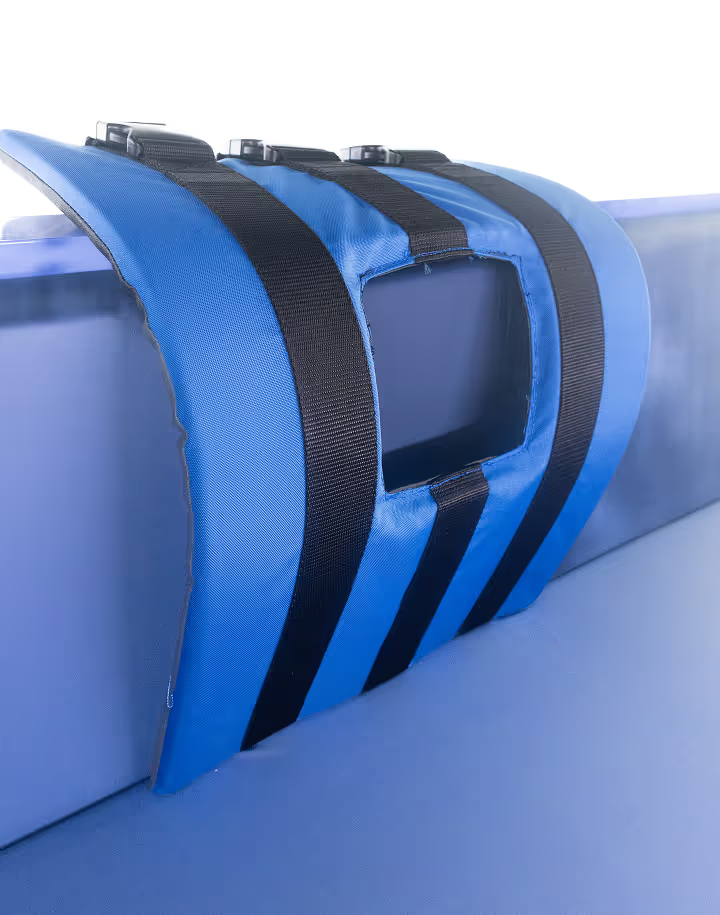
Detachable Safety Strap
Designed to accommodate G-tubes and other medical lines while keeping the patient secure during all positioning modes.
2
Electric Vertical Lift System
Provides smooth vertical elevation, angled positioning, and rotational adjustment — all controlled with a simple touch.
3
Detachable Tray
Securely mounts to the frame to support devices, activities, or treatment materials while remaining easy to remove when not in use.
4
Three-Layer Memory Foam Mattress
Features a supportive core, pressure-relief middle layer, gel memory foam top, and a high-performance, cleanable outer cover for maximum comfort and durability.
5
Rolling Caster Wheels
Allow effortless movement throughout the facility, even in tight or busy clinical environments.
6
Integrated Shock Absorbers
Enable smooth transport over thresholds and uneven flooring, protecting patient comfort and device stability.
7
Detachable IV Pole Attachment
Provides convenient management of fluids, medications, or feeding systems without additional equipment clutter.
8
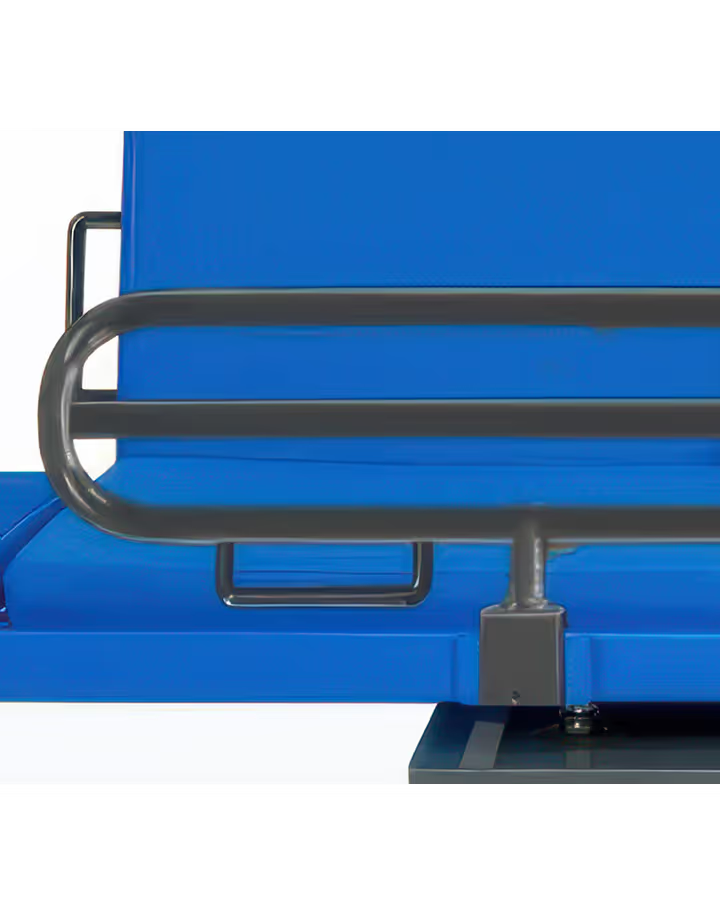
Optional Frame-Mounted Resting Rail
A secure rail that slots directly into the frame to provide added support and safety when the patient intends to rest or sleep in the SideLyer.
1
Base Configuration
Provides a neutral, stable lying position for general therapy, assessments, and safe patient positioning.
2
Lifted Position
Raises the entire platform vertically to support safer positioning at caregiver eye level, improving access for care activities and patient interaction.
3
Head-to-Toe Angling
Tilts the body along the longitudinal axis to elevate the chest for respiratory therapy or reverse-angle positioning for improved circulation and edema management.
4
Rotational Adjustment
Enables right or left lateral tilt for weight shifting, pressure relief, and balance or trunk-control training without manual repositioning.
Frequently Asked Questions

Request a Demonstration
See how SideLyer can bring comfort, safety, and peace to your hospice environment. Schedule a virtual demonstration or on-site evaluation with our clinical team.