Wound Care Prevention for Intermediate Care Facilities (ICF/IID) in Illinois
Prevent and treat pressure ulcers
Reduce strain on staff with motorized lift

Why Sidelyer Matters To The Intellectually And Developmentally Disabled
People living with complex mobility needs depend on being turned regularly, having pressure taken off vulnerable skin, and having someone to talk to during the day. Get those three things right and the risk of pressure related complications drops, while comfort, whatever independence a person still has, and genuine human contact all improve. Illinois providers run everything from small community group homes in the collar counties to larger intermediate care facilities downstate, and the repositioning burden looks much the same in both.
Who benefits from a SideLyer in Illinois?
Individuals with an intellectual or developmental disability
Clients of intermediate care facilities
Residents of medical group homes
Anyone whose care plan calls for frequent repositioning
Residents at risk of pressure ulcers or contractures
Call Now
Proven Pressure Ulcer Prevention for Immobile Residents
Someone who cannot shift their own weight will stay in one position far longer than is safe, and that is where pressure injuries begin. Turning on a schedule and managing where the pressure sits is what keeps skin intact and keeps the resident well overall. With SideLyer, intermediate care facilities and medical group homes can:
Lower the risk of pressure ulcers by more than ten times
Help reduce the costs associated with staff injury claims by 28%
Encourage better venous return for improved blood circulation
Minimize fluid buildup in the legs and sacral area
Allow caregivers to perform skin assessments and wound care more efficiently
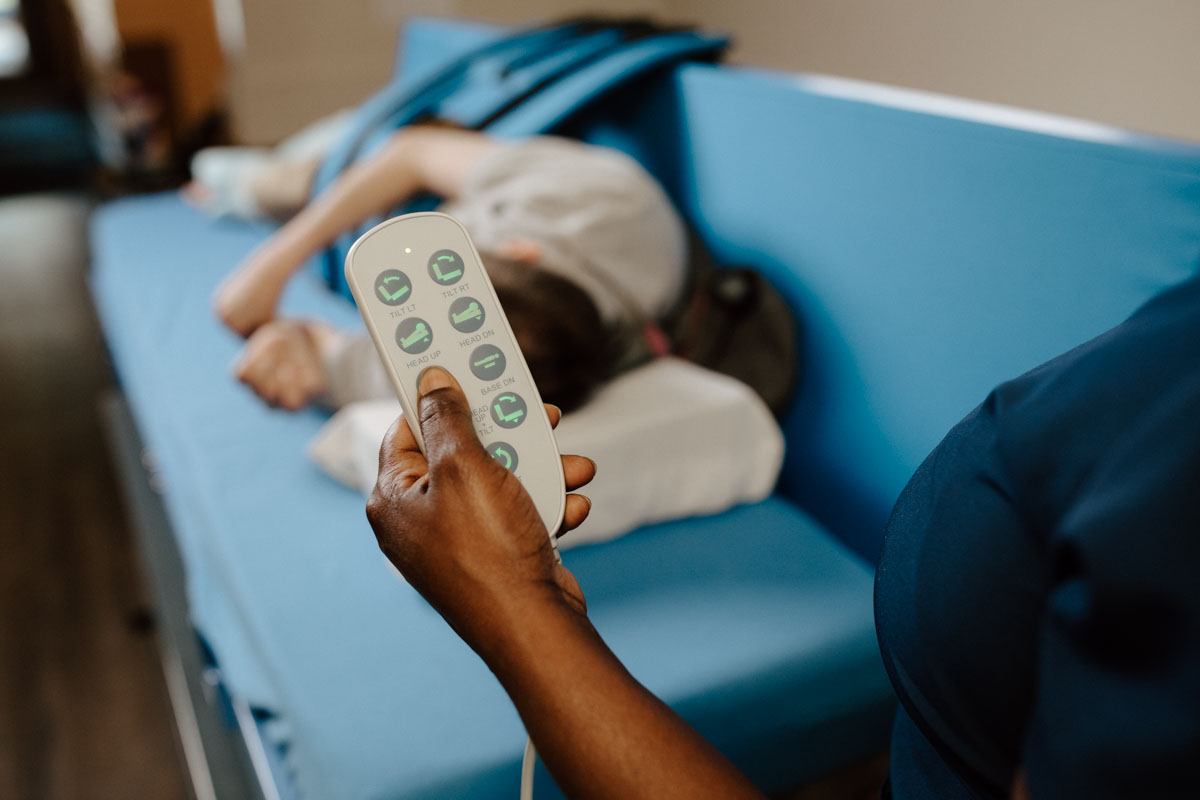

Comfort, Dignity and Socialization for Residents
Positioning with the SideLyer is quiet and smooth, which makes the care itself easier to receive while keeping safety, dignity, and caregiver efficiency intact.
=
Fully motorized positioning lets a resident be settled comfortably for meals, medication rounds, therapy appointments, and rehabilitation work.
Side tilt opens up access for the caregiver during wound care, bathing, dressing, hygiene, and transfers.
Vertical elevation brings a resident up to eye level, so conversations happen face to face rather than from above, whether with staff, family, or visitors.
Residents stay part of what is happening around them while caregivers work in a way that is efficient and centered on the person.
Call Now
Safe Handling and Injury Reduction for Your Care Staff
Turning residents by hand across a full shift takes a real physical toll, and back, shoulder, and lifting injuries follow from it. Motorized repositioning takes the load off by providing:
Better coordinated and more efficient repositioning schedules
Safer techniques for assisting residents during routine care
Less manual lifting to help reduce injury risks for caregivers
Up to 28% fewer caregiver injury claims
Lower staff turnover and fewer lost workdays associated with physical strain
Built with the caregiver and the resident equally in mind, the SideLyer raises workplace safety while improving comfort, dignity, and the ordinary quality of a resident’s day.
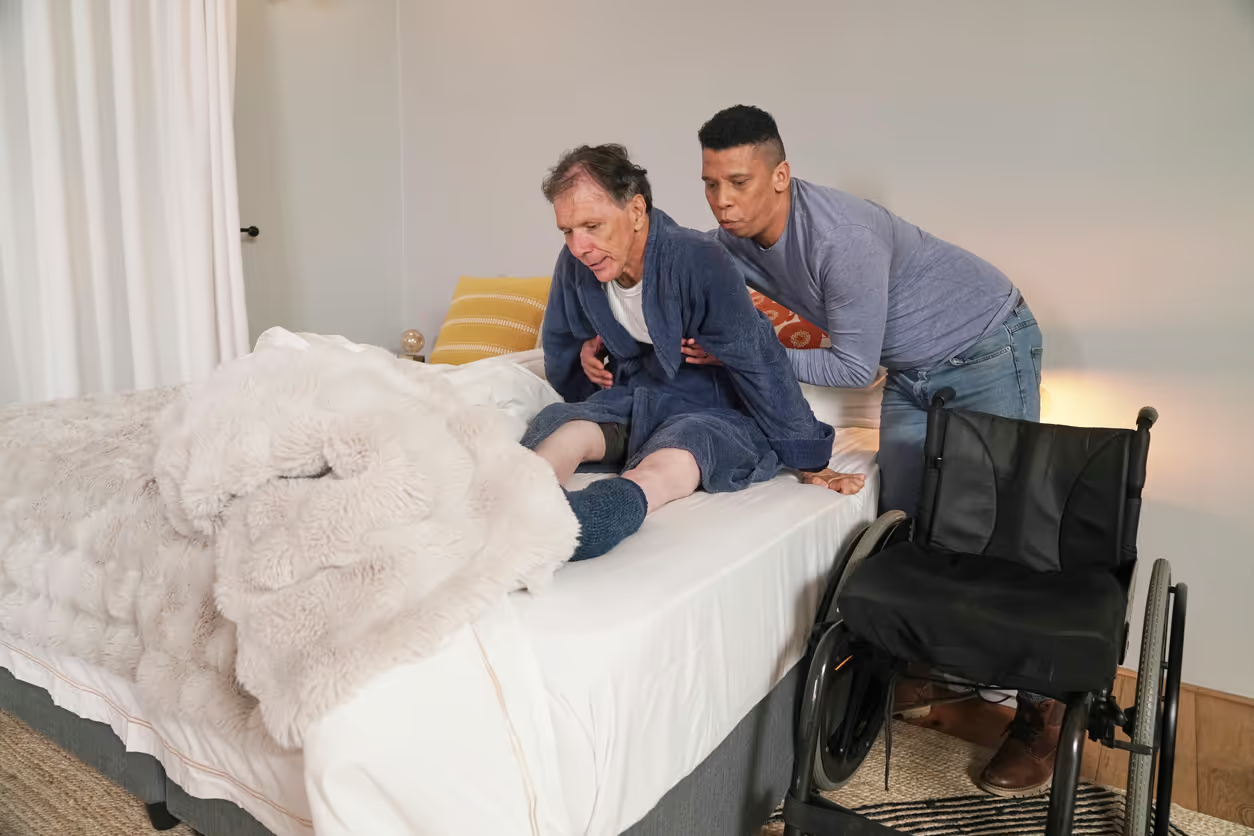
Client Success - Ann Storck
Center (Fort Lauderdale, FL)
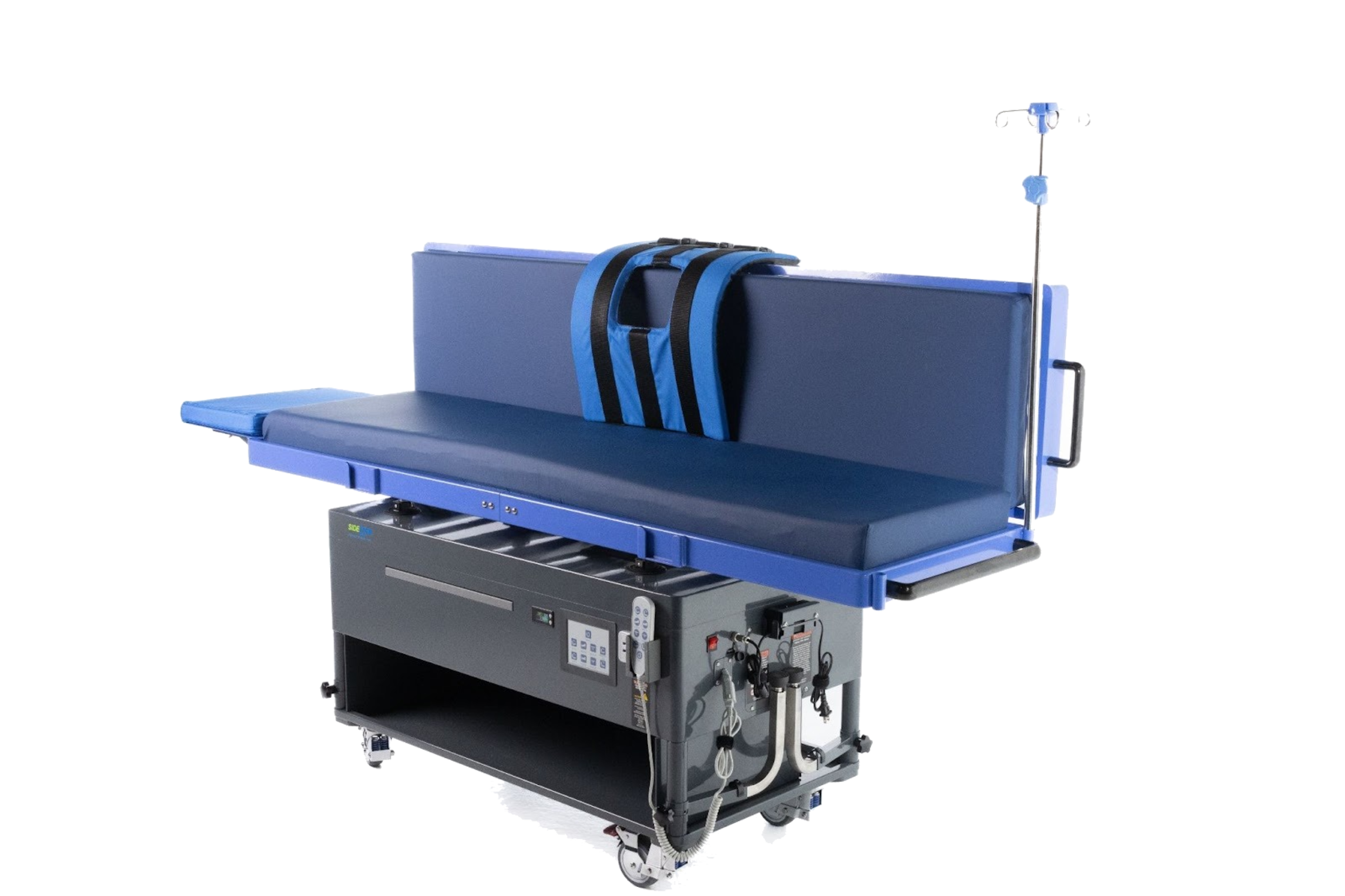
Key features include
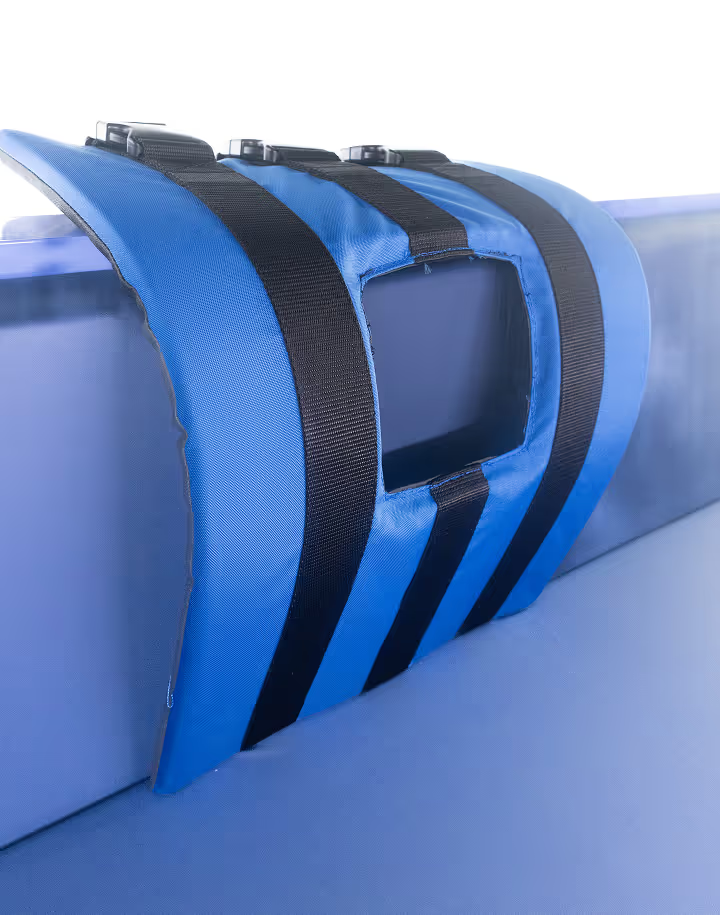


1
Detachable Safety Strap
Designed to accommodate G-tubes and other medical lines while keeping the patient secure during all positioning modes.
2
Electric Vertical Lift System
Provides smooth vertical elevation, angled positioning, and rotational adjustment — all controlled with a simple touch.
3
Detachable Tray
Securely mounts to the frame to support devices, activities, or treatment materials while remaining easy to remove when not in use.
4
Three-Layer Memory Foam Mattress
Features a supportive core, pressure-relief middle layer, gel memory foam top, and a high-performance, cleanable outer cover for maximum comfort and durability.
5
Rolling Caster Wheels
Allow effortless movement throughout the facility, even in tight or busy clinical environments.
6
Integrated Shock Absorbers
Enable smooth transport over thresholds and uneven flooring, protecting patient comfort and device stability.
7
Detachable IV Pole Attachment
Provides convenient management of fluids, medications, or feeding systems without additional equipment clutter.
8
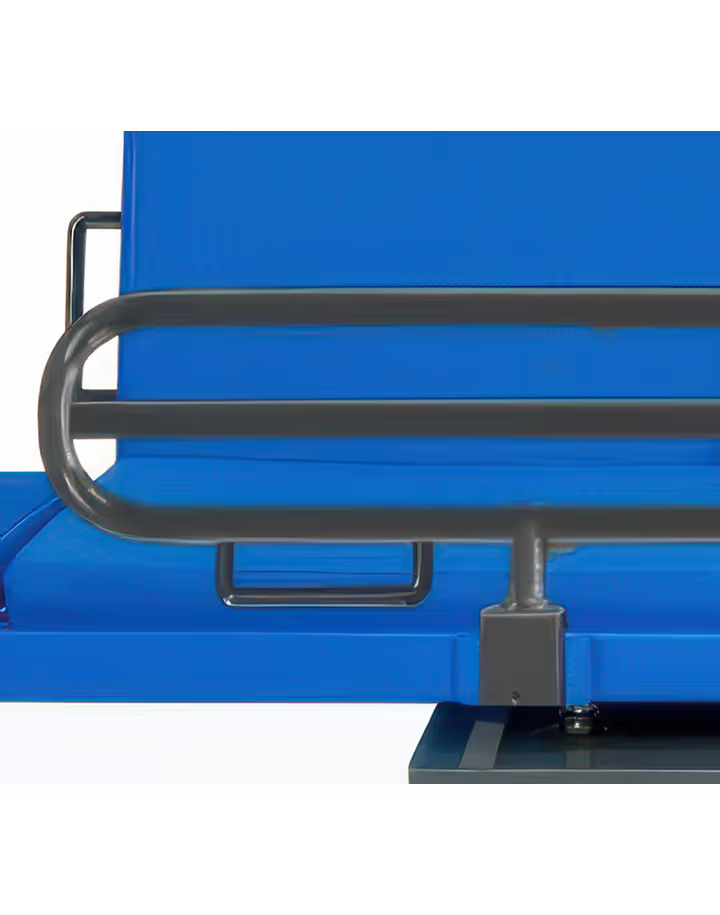
Optional Frame-Mounted Resting Rail
A secure rail that slots directly into the frame to provide added support and safety when the patient intends to rest or sleep in the SideLyer.
1
Base Configuration
Provides a neutral, stable lying position for general therapy, assessments, and safe patient positioning.
2
Lifted Position
Raises the entire platform vertically to support safer positioning at caregiver eye level, improving access for care activities and patient interaction.
3
Head-to-Toe Angling
Tilts the body along the longitudinal axis to elevate the chest for respiratory therapy or reverse-angle positioning for improved circulation and edema management.
4
Rotational Adjustment
Enables right or left lateral tilt for weight shifting, pressure relief, and balance or trunk-control training without manual repositioning.
Frequently Asked Questions

Request a Demonstration
See how SideLyer can bring comfort, safety, and peace to your intermediate care environment. Schedule a virtual demonstration or on-site evaluation with our clinical team.