Wound Care Prevention for Intermediate Care Facilities (ICF/IID) in Philadelphia

Call Now

Prevent and treat pressure ulcers
Reduce strain on staff with motorized lift

Room with three blue stretchers against a beige wall

Why SideLyer matters to the intellectually and developmentally disabled

Because of their complex mobility needs, these individuals often require regular repositioning, effective pressure relief, and meaningful social interaction throughout the day. Providing consistent support in these areas helps promote comfort, reduce health risks, and improve overall quality of life.

Who benefits from a SideLyer in Philadelphia?

  • Individuals with intellectual or developmental disability

  • Intermediate care facility clients

  • Medical group home residents

  • Residents requiring frequent repositioning

  • Individuals at risk for pressure ulcers or contractures

  • Call Now

Proven Pressure Ulcer Prevention for Immobile Residents

Individuals with limited mobility have a greater risk of developing pressure injuries because they may remain seated or lying in the same position for extended periods. Regular repositioning and appropriate pressure relief are important for protecting skin integrity and supporting overall comfort.

With SideLyer, intermediate care facilities and medical group homes can:

  • Lower the risk of pressure ulcers by more than ten times

  • Help reduce the costs associated with staff injury claims by 28%

  • Encourage better venous return for improved blood circulation

  • Minimize fluid buildup in the legs and sacral area

  • Allow caregivers to perform skin assessments and wound care more efficiently
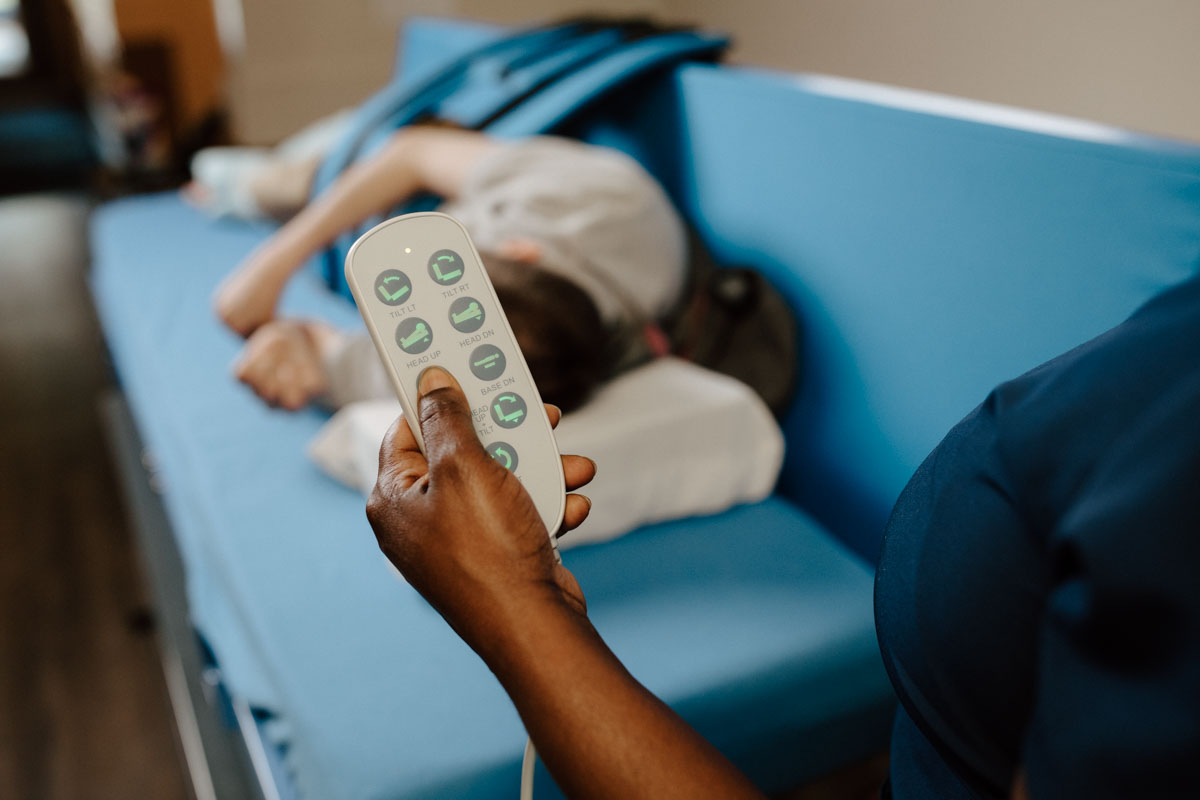
Person holding a remote control for adjusting a hospital bed with a patient lying on the bed in the background.
Explore Features of the SideLyer Comfort & Dignity

Comfort, Dignity and Socialization for Residents

Gentle, quiet SideLyer positioning helps simplify resident repositioning while promoting greater comfort, safety, and dignity throughout daily care.

  • Motorized head to toe positioning supports comfortable feeding, medication administration, therapy sessions, and rehabilitation activities.

  • Side tilt positioning gives caregivers improved access for wound care, personal hygiene, dressing assistance, and safe resident transfers.

  • Vertical elevation raises residents closer to eye level, encouraging more natural conversations, stronger connections, and meaningful social interaction.

  • Supports greater resident participation in everyday routines while helping caregivers deliver efficient, compassionate, and person centered care.

  • Call Now

Safe Handling and Injury Reduction for Your Care Staff

The physical demands of repositioning and assisting residents every day can place significant strain on caregivers, increasing the risk of back, shoulder, and other musculoskeletal injuries. Motorized repositioning provides valuable support by offering:

Motorized repositioning enables:

  • More consistent and organized resident repositioning routines

  • Safer resident handling during everyday care activities

  • Reduced physical lifting and manual effort to help lower the risk of caregiver injuries

  • Up to 28% fewer reported caregiver injury claims

  • Lower staff turnover and fewer absences related to physical strain and workplace injuries

The SideLyer is designed to support the wellbeing of your caregiving team while improving resident comfort, preserving dignity, and enhancing overall quality of care.
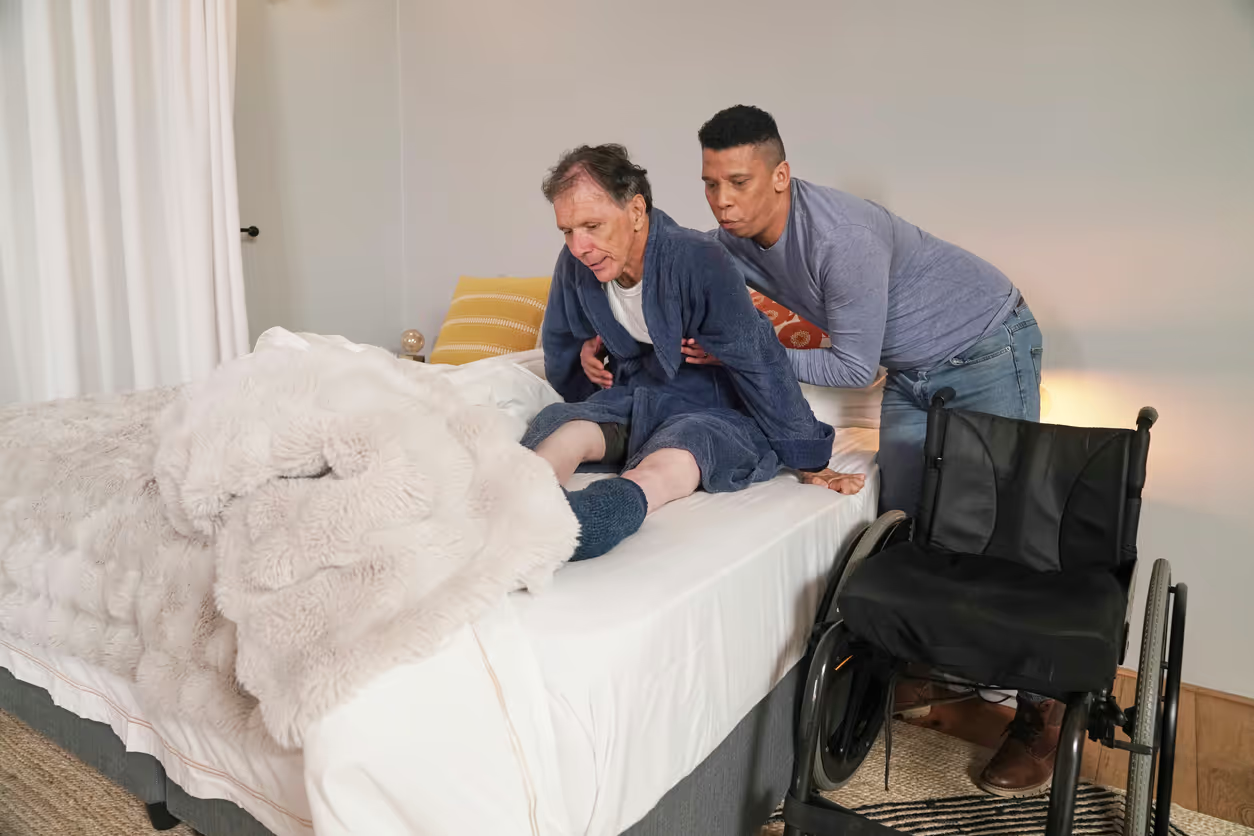
Caregiver assisting an elderly man sitting on a bed next to a wheelchair in a bedroom.

Client Success - Ann Storck
Center (Fort Lauderdale, FL)

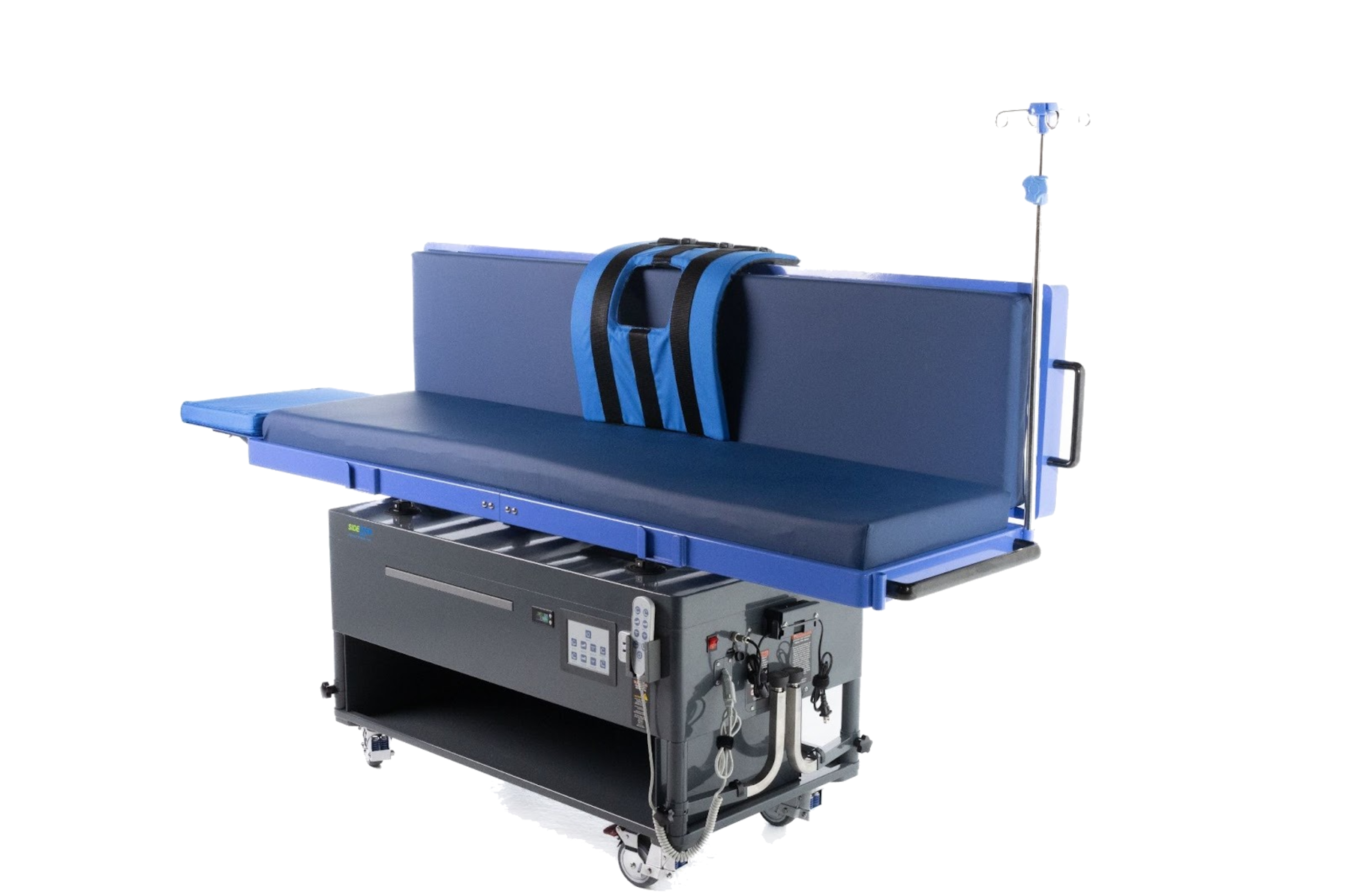
Key features include
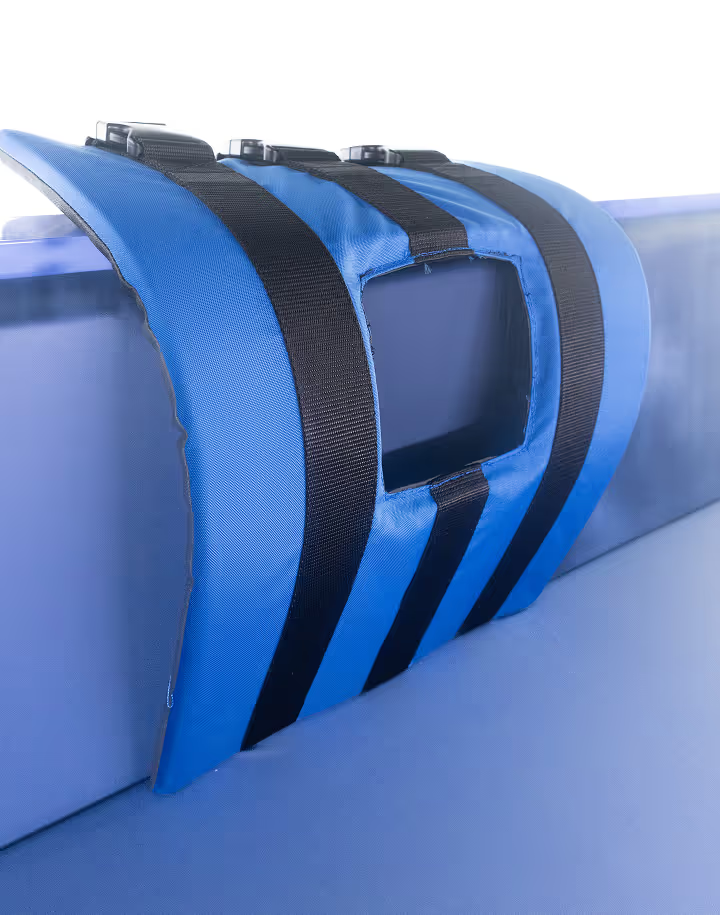
Blue padded water sports floatation device with black straps and a rectangular cutout in the center, attached to the side of a blue pool or tank.
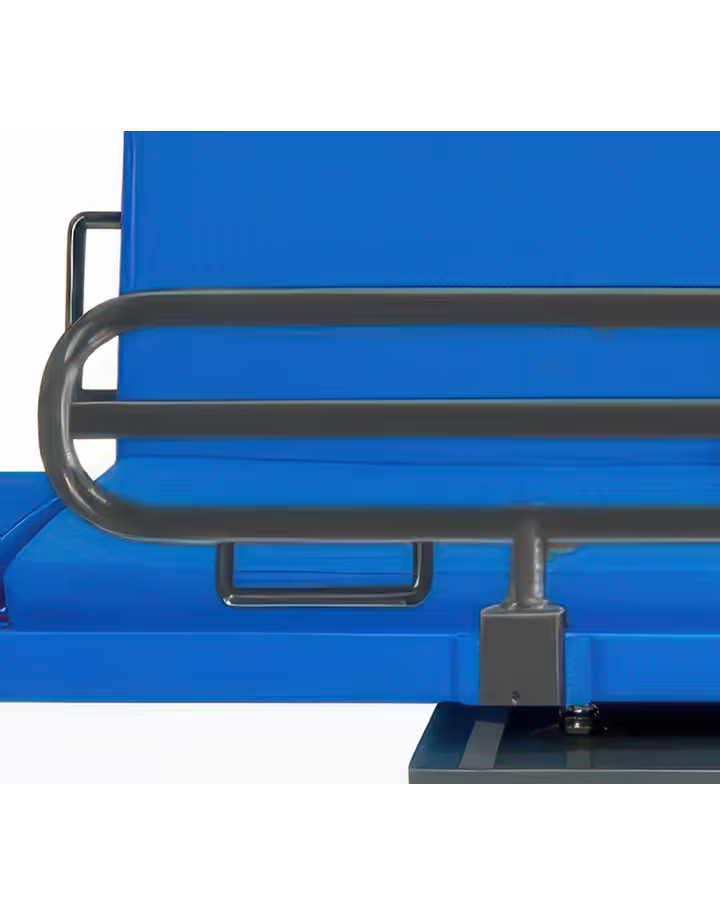
Close-up of a metal support leg with a black rubber base attached to a glossy blue surface.
Close-up of a blue padded medical examination table featuring a gray side lever platform and metal support legs.
Close-up of a blue cushioned medical examination or treatment table with attached electronic components and cables.
Close-up of a gray caster wheel with a red pedal lock labeled ON and OFF attached to a metal frame.
Close-up of a metal caster wheel with blue suspension springs attached to a piece of equipment.
Close-up of a blue and stainless steel IV pole attached to the side of a blue hospital bed with adjustable straps.
Explore Features of the SideLyer
Blue padded water sports floatation device with black straps and a rectangular cutout in the center, attached to the side of a blue pool or tank.
Close-up of a metal support leg with a black rubber base attached to a glossy blue surface.
Close-up of a blue padded medical examination table featuring a gray side lever platform and metal support legs.
Close-up of a blue cushioned medical examination or treatment table with attached electronic components and cables.
Close-up of a gray caster wheel with a red pedal lock labeled ON and OFF attached to a metal frame.
Close-up of a metal caster wheel with blue suspension springs attached to a piece of equipment.
Close-up of a blue and stainless steel IV pole attached to the side of a blue hospital bed with adjustable straps.
Explore Features of the SideLyer

Advanced Movement and Therapeutic Angling

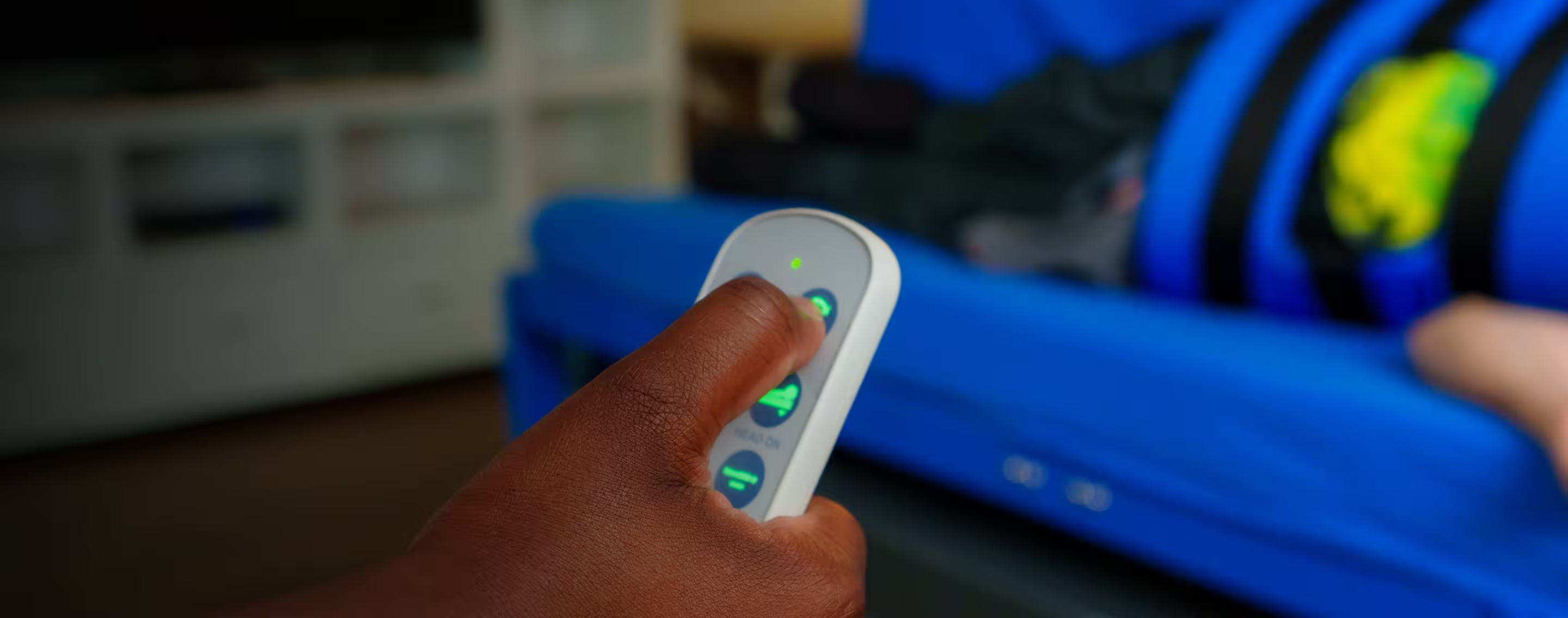
Caregivers can quickly adjust the patient's position using smooth motorized controls that provide quiet elevation, tilting, and therapeutic angling.

Advanced Movement and Therapeutic Angling
Call Now

Frequently Asked Questions

How do we get started with SideLyer? +
It's easy to begin. Your facility can also schedule a virtual demonstration with one of our experienced product specialists to take you through the SideLyer system in a comprehensive overview. During the demonstration your team will learn about the features of the equipment, explore clinical applications and have the opportunity to ask questions relevant to your residents and care environment. Once the demo is over, your facility can register for a free 90 day trial and see how SideLyer can be integrated into your daily caregiving routines before you make a long term commitment.
Is SideLyer covered by insurance? +
Yes. Depending on eligibility many people and facilities may be eligible for insurance assistance. With insurance, the retail price is $11,000; without insurance, the retail price is $6,900. Our team works with families and care providers to review coverage options, explain expected out of pocket costs, and walk them through every step of the insurance process prior to a purchase being made.
Can our facility rent SideLyer instead of purchasing it? +
Absolutely. Facilities that do not wish to purchase the system immediately may opt for a rental option. The monthly rental price is $550 and there is a minimum 13 month commitment to the rental agreement, providing financial flexibility to facilities to incorporate SideLyer into their care program.
How can SideLyer help reduce the risk of bed sores? +
Pressure injuries are common when a person is unable to shift position often enough to relieve pressure on sensitive areas of the body. SideLyer’s motorized repositioning system encourages regular movement, promotes healthy circulation and helps reduce prolonged pressure on the skin. This method has been linked with up to 10 times fewer bed sores, along with reduced risk of wound related complications and healthier skin.
Why do 93% of healthcare professionals recommend SideLyer for patients at high risk of bed sores? +
Healthcare professionals recommend SideLyer for the benefits it provides to residents and caregivers. The system supports enhanced circulation, skin health protection, rehabilitation efforts, and simplified routine care tasks, while reducing physical demands on caregivers through automated repositioning, and helps residents remain socially engaged with comfortable eye level positioning.
Is the SideLyer covered by warranty? What is covered and for how long? +
Yes. SideLyer comes with a standard one year manufacturer’s warranty on the major components of the system. For those facilities and families who want extra protection, there is an optional extended warranty which increases the coverage to a total of three years for that extra peace of mind and long term support.
How does SideLyer support resident dignity and wound healing in ICF/IID settings? +
SideLyer’s motorized positioning is easy to use, so it doesn’t require frequent manual repositioning, resulting in a more comfortable and respectful experience for both care providers and patients. Consistent therapeutic positioning can also help residents recovering from pressure injuries, surgical wounds, and other conditions requiring ongoing wound management by helping to minimize prolonged pressure during the healing process.
Will SideLyer help with staff safety goals? +
Yes. SideLyer can help reduce the physical demands of resident care by eliminating many of the repetitive lifting, turning and repositioning tasks that caregivers normally perform manually. This allows healthcare facilities to advocate for safer caregiving practices, while also helping pressure injury prevention for residents with limited mobility or recovering from a wound that requires consistent positioning and ongoing care.

In addition to providing daily resident care, SideLyer is often used as an adjunct to full wound management programs, caregiver education and training, infection prevention programs, and discussions with residents and family members about appropriate repositioning schedules and individualized care plans. It is a valuable component of both daily care and long term clinical management due to its versatility.
Can caregivers operate SideLyer safely without extensive training? +
Yes. SideLyer features intuitive controls that are easy to learn and simple to operate. With little instruction most caregivers become comfortable with the system, allowing them to confidently integrate motorized repositioning into their daily care routines while maintaining a safe and efficient workflow.
Is SideLyer appropriate for group homes, residential care, or skilled nursing facilities? +
Yes. SideLyer operates quietly and smoothly, making it ideal for group homes, residential care settings and skilled nursing facilities where resident comfort is a priority. The system helps people with limited mobility and helps prevent pressure injuries, and heal diabetic ulcers, traumatic wounds, surgical wounds and other complex conditions that require sustained therapeutic positioning.
Does SideLyer support residents who are medically fragile? +
Yes. SideLyer offers gentle motorized positioning to aid medically fragile residents in maintaining safe and stable repositioning throughout the day. It can also help people recover from surgery and complements advanced wound care modalities such as negative pressure wound therapy by enabling regular pressure offloading and decreasing sustained pressure on sensitive areas.
Request a Demonstration

Request a Demonstration

See how SideLyer can bring comfort, safety, and peace to your hospice environment. Schedule a virtual demonstration or on-site evaluation with our clinical team.

Request a Demo
Request a Demo