Wound Care Prevention for Intermediate Care Facilities (ICF/IID) in Pittsburgh

Call Now

Prevent and treat pressure ulcers
Reduce strain on staff with motorized lift

Room with three blue stretchers against a beige wall

Why SideLyer matters to the intellectually and developmentally disabled

People with complex mobility challenges typically need frequent repositioning, appropriate pressure management, and ongoing social engagement during the day. These forms of support play an important role in maintaining comfort, protecting skin health, and encouraging emotional well being.

Who benefits from a SideLyer in Pittsburgh?

  • Individuals with intellectual or developmental disability

  • Intermediate care facility clients

  • Medical group home residents

  • Residents requiring frequent repositioning

  • Individuals at risk for pressure ulcers or contractures

  • Call Now

Proven Pressure Ulcer Prevention for Immobile Residents

People who experience limited mobility are more susceptible to pressure injuries since they often spend long periods in one position without being able to move independently. Ongoing repositioning and effective pressure management help reduce this risk while promoting better health and comfort.

With SideLyer, intermediate care facilities and medical group homes can:

  • Lower the risk of pressure ulcers by more than ten times

  • Help reduce the costs associated with staff injury claims by 28%

  • Encourage better venous return for improved blood circulation

  • Minimize fluid buildup in the legs and sacral area

  • Allow caregivers to perform skin assessments and wound care more efficiently
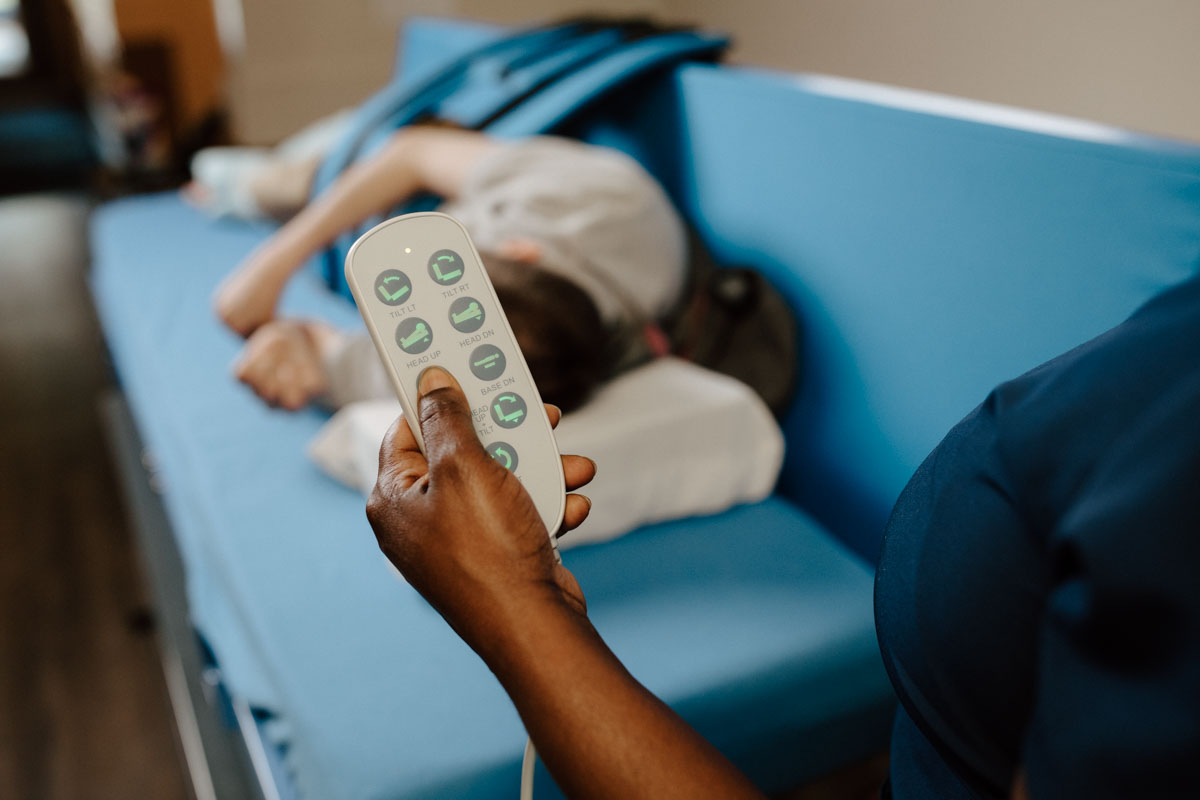
Person holding a remote control for adjusting a hospital bed with a patient lying on the bed in the background.
Explore Features of the SideLyer Comfort & Dignity

Comfort, Dignity and Socialization for Residents

The SideLyer's smooth and quiet positioning system makes resident repositioning easier while helping maintain comfort, independence, and personal dignity.

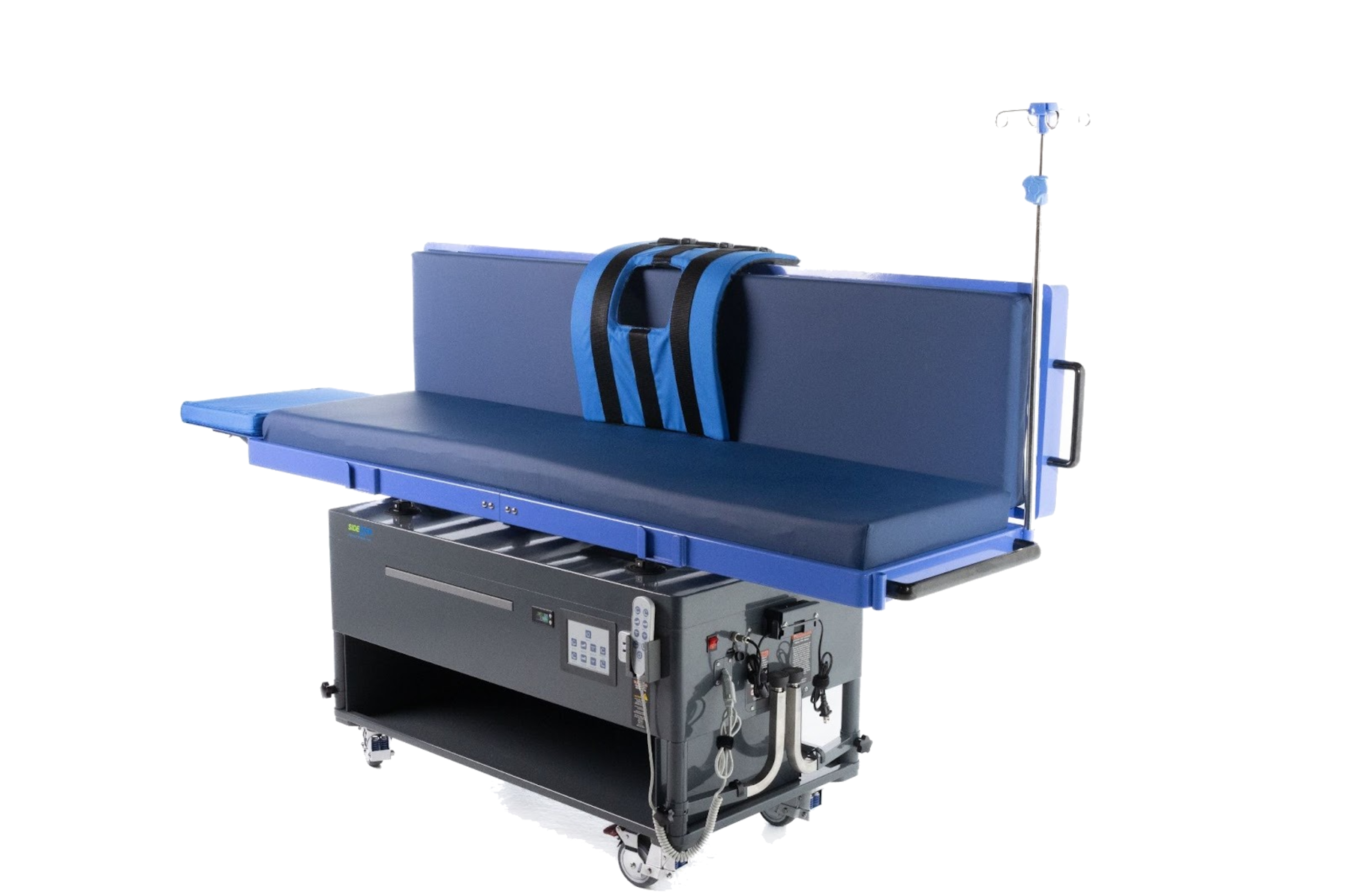
  • Full body motorized positioning assists with feeding, medication delivery, therapeutic care, and rehabilitation exercises.

  • Side tilt functionality improves caregiver access during dressing, bathing, wound management, hygiene care, and resident transfers.

  • Adjustable vertical elevation positions residents at eye level to encourage communication, social engagement, and meaningful interaction with caregivers and loved ones.

  • Promotes active involvement in daily activities while helping caregivers provide safe, efficient, and attentive care.

  • Call Now

Safe Handling and Injury Reduction for Your Care Staff

Frequent manual repositioning can place considerable physical stress on caregivers, making back and shoulder injuries a common concern in long term care settings. Motorized repositioning helps reduce these demands by providing:

Motorized repositioning enables:

  • Better organized and more efficient repositioning schedules

  • Safer resident handling during routine daily care

  • Less manual lifting to help minimize physical strain on caregivers

  • Up to 28% fewer caregiver injury claims

  • Reduced staff turnover and fewer missed workdays caused by lifting related injuries

The SideLyer helps protect caregivers while supporting a higher standard of comfort, dignity, and quality of life for every resident.
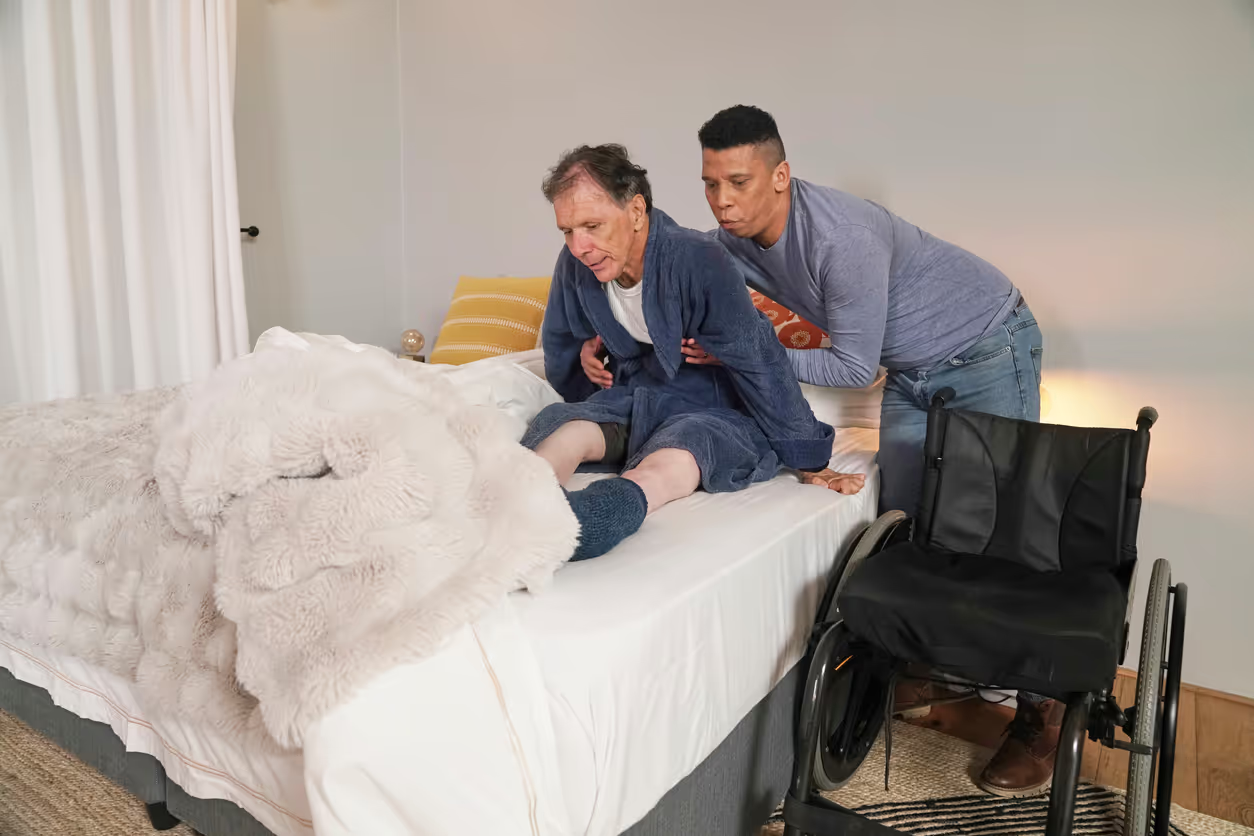
Caregiver assisting an elderly man sitting on a bed next to a wheelchair in a bedroom.

Client Success - Ann Storck
Center (Fort Lauderdale, FL)

Key features include
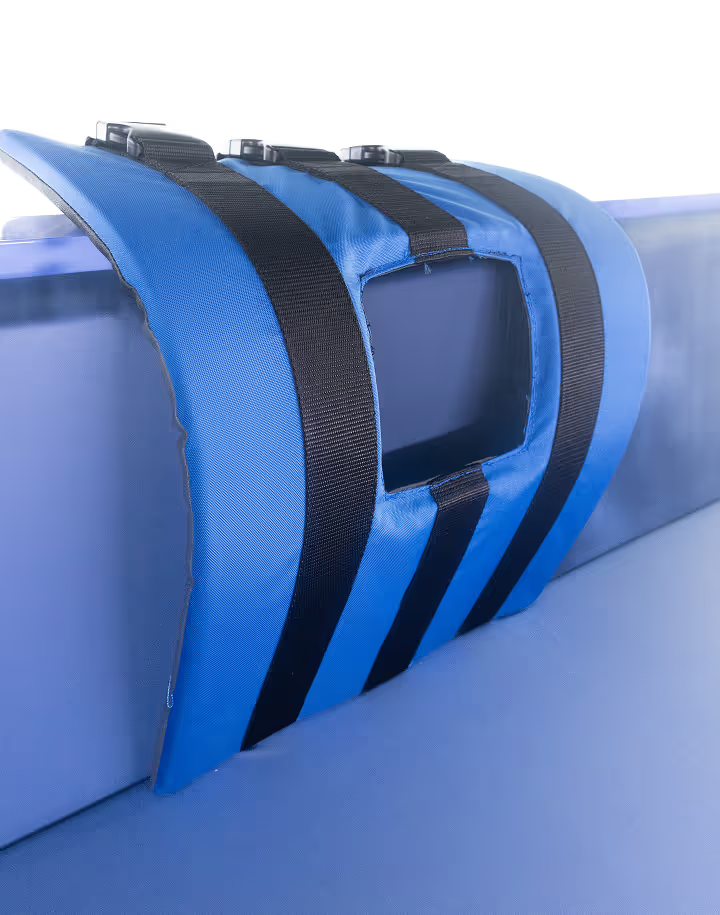
Blue padded water sports floatation device with black straps and a rectangular cutout in the center, attached to the side of a blue pool or tank.
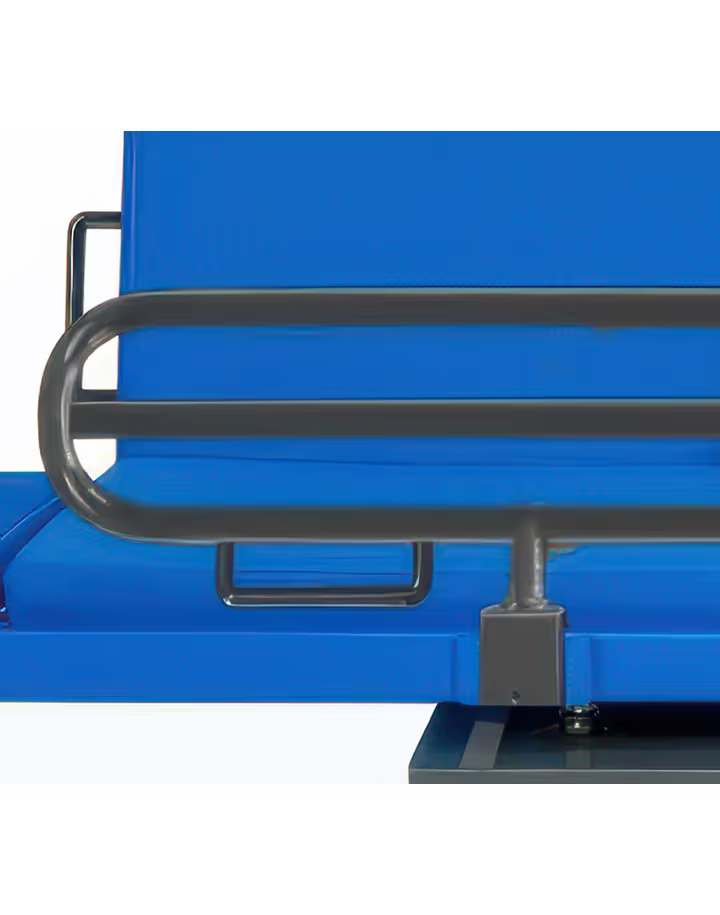
Close-up of a metal support leg with a black rubber base attached to a glossy blue surface.
Close-up of a blue padded medical examination table featuring a gray side lever platform and metal support legs.
Close-up of a blue cushioned medical examination or treatment table with attached electronic components and cables.
Close-up of a gray caster wheel with a red pedal lock labeled ON and OFF attached to a metal frame.
Close-up of a metal caster wheel with blue suspension springs attached to a piece of equipment.
Close-up of a blue and stainless steel IV pole attached to the side of a blue hospital bed with adjustable straps.
Explore Features of the SideLyer
Blue padded water sports floatation device with black straps and a rectangular cutout in the center, attached to the side of a blue pool or tank.
Close-up of a metal support leg with a black rubber base attached to a glossy blue surface.
Close-up of a blue padded medical examination table featuring a gray side lever platform and metal support legs.
Close-up of a blue cushioned medical examination or treatment table with attached electronic components and cables.
Close-up of a gray caster wheel with a red pedal lock labeled ON and OFF attached to a metal frame.
Close-up of a metal caster wheel with blue suspension springs attached to a piece of equipment.
Close-up of a blue and stainless steel IV pole attached to the side of a blue hospital bed with adjustable straps.
Explore Features of the SideLyer

Advanced Movement and Therapeutic Angling

Caregivers can quickly adjust the patient's position using smooth motorized controls that provide quiet elevation, tilting, and therapeutic angling.

Advanced Movement and Therapeutic Angling
Call Now

Frequently Asked Questions

How do we get started with SideLyer? +
The first step is to schedule an online demonstration with one of our product specialists. In this presentation your team will get an in-depth overview of SideLyer features, learn how it can be applied in various clinical settings and have ample time to discuss specific caregiving questions. After the demonstration, your facility is offered a free 90 day trial so the staff can experience the system in everyday resident care before any purchasing decision is made.
Is SideLyer covered by insurance? +
SideLyer is more accessible to qualifying individuals and facilities because many customers qualify for insurance coverage. The retail price is $11,000 if insurance benefits are available and $6900 if no insurance coverage is provided. We will guide you through the entire insurance review process, from looking at eligibility, discussing expected costs, and making the approval process as easy as possible.
Can our facility in Pittsburgh rent SideLyer instead of purchasing it? +
Yes. We have a rental program for facilities that want a flexible option to purchasing the equipment. The system can be rented for a minimum of 13 months at $550 per month with organizations able to take advantage of the system.
How can SideLyer help reduce the risk of bed sores? +
Bed sores are common when people stay in one position for too long without enough pressure relief. SideLyer solves this challenge with automated repositioning to boost blood flow, reduce pressure on high risk areas, and encourage healthier skin. Clinical results have shown up to 10 times fewer pressure injuries while assisting in the reduction of complications associated with chronic wounds.
Why do 93% of healthcare professionals recommend SideLyer for patients at high risk of bed sores? +
It helps to improve clinical outcomes and make caregiving safer and more efficient, and is recommended by many healthcare professionals. The motorized repositioning system reduces repetitive manual lifting, improves circulation, preserves skin integrity, aids in rehabilitation activities, supports daily care routines and promotes resident interaction with adjustable eye level positioning.
Is the SideLyer covered by warranty? What is covered and for how long? +
Yes. All SideLyer systems come with a one year manufacturer’s warranty on major system components. Customers may also buy an extended warranty for added long term protection that provides a total of three years of coverage.
How does SideLyer support resident dignity and wound healing in ICF/IID settings? +
SideLyer replaces repetitive manual repositioning with smooth motorized movement to help create a more comfortable and dignified experience for residents. Consistent therapeutic positioning can also help people recovering from pressure injuries, post surgical wounds and other conditions that require ongoing wound care as part of their treatment plan.
Will SideLyer help with staff safety goals? +
Yes. SideLyer automates many of the repetitive movements in resident repositioning, which helps reduce the amount of manual lifting and turning from caregivers. This further supports safer workplace practices and helps facilities bolster their efforts to prevent pressure injuries in residents with limited mobility or those requiring ongoing wound care.

In addition to daily help for residents, SideLyer has an important function. It is often part of wound care protocols, caregiver training programs, infection control policies, and discussions during care planning with residents and their families. Additional applications allow facilities to incorporate the system into various aspects of quality resident care.
Can caregivers operate SideLyer safely without extensive training? +
Absolutely. The system features user-friendly controls that enable caregivers to quickly learn how to operate the system. SideLyer is easy to use with minimal training, allowing staff to confidently integrate SideLyer into their daily care responsibilities, not only improving efficiency but supporting safe resident handling.
Is SideLyer appropriate for group homes, residential care, or skilled nursing facilities? +
Yes. SideLyer is quiet and smooth in operation, making it ideal for use in residential care settings, group homes and skilled nursing facilities. It benefits residents with limited mobility and helps prevent pressure injuries and wound healing for diabetic ulcers, traumatic injuries and other complex wounds that require continuous repositioning.
Does SideLyer support Pittsburgh residents who are medically fragile? +
Yes. The system's gentle motorized movement provides consistent repositioning support for medically fragile individuals and residents recovering from surgery. It also helps to maintain regular pressure redistribution during the healing process, improving advanced wound management strategies, including negative pressure wound therapy.
Request a Demonstration

Request a Demonstration

See how SideLyer can bring comfort, safety, and peace to your hospice environment. Schedule a virtual demonstration or on-site evaluation with our clinical team.

Request a Demo
Request a Demo