How do we get started with SideLyer?
+
Families across New York can set up a virtual demo with our team from their location. The demo allows you to experience how SideLyer operates and ask questions about its role in supporting your loved one’s care. Afterward, you have the choice to begin a 90-day free trial to see how SideLyer works within your care routine.
Is SideLyer covered by insurance?
+
Eligibility for insurance may allow SideLyer to be covered, reducing the cost. With insurance, the retail price is $11,000, while without insurance, the cost is $6,900. Our team assists families in exploring coverage options and estimating the final expense for their particular situation.
Can families in New York rent SideLyer instead of purchasing it?
+
SideLyer is offered as a rental option for families in New York who do not wish to purchase the system. The rental cost is $550 per month, and the rental term requires a minimum commitment of 13 months.
When should we use SideLyer in a care plan?
+
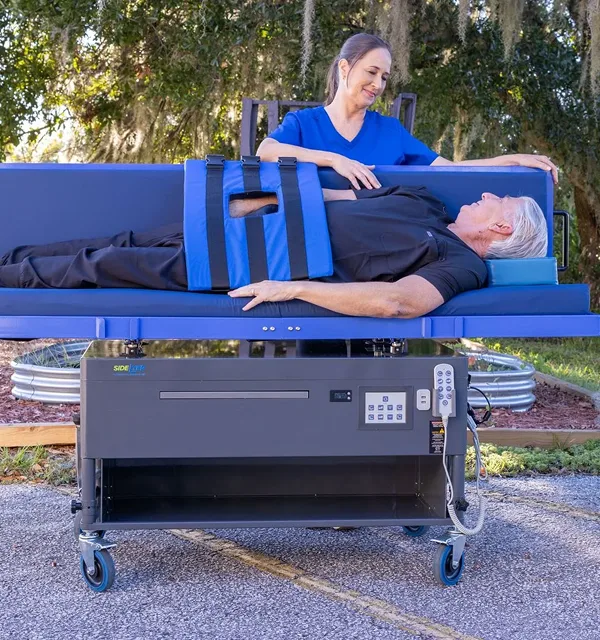
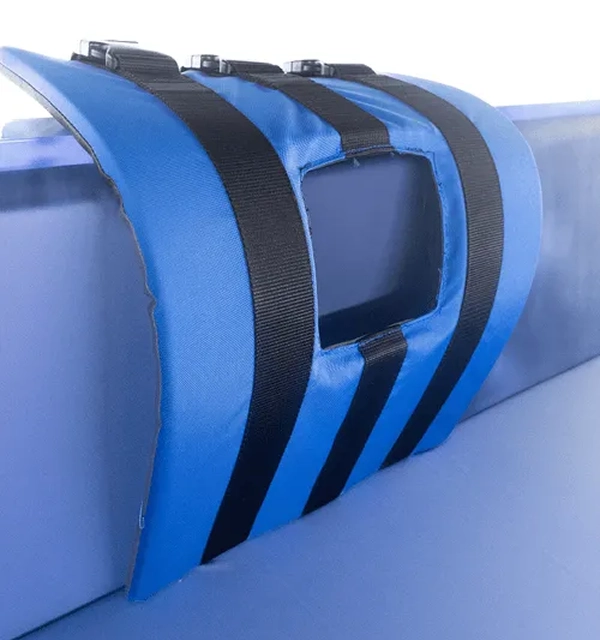
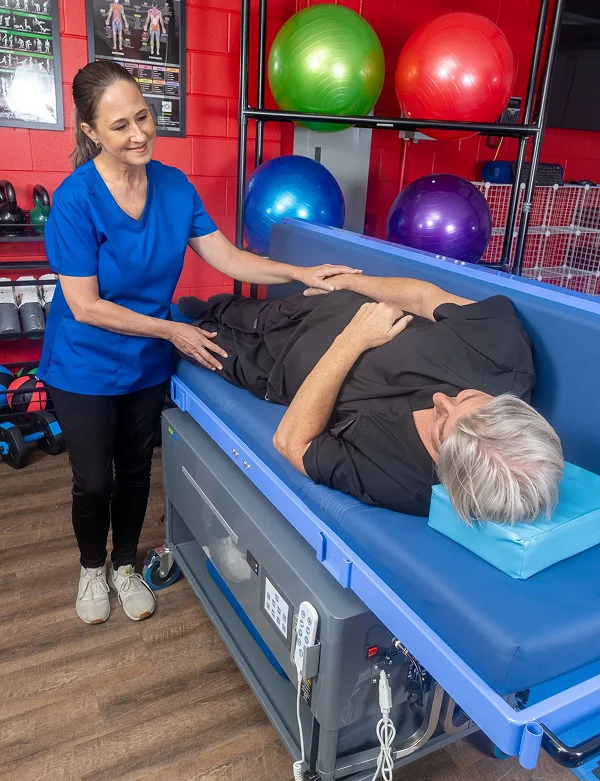
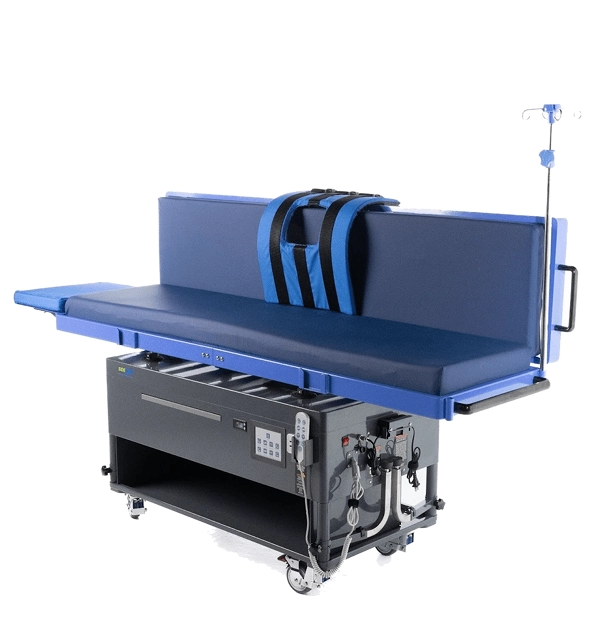
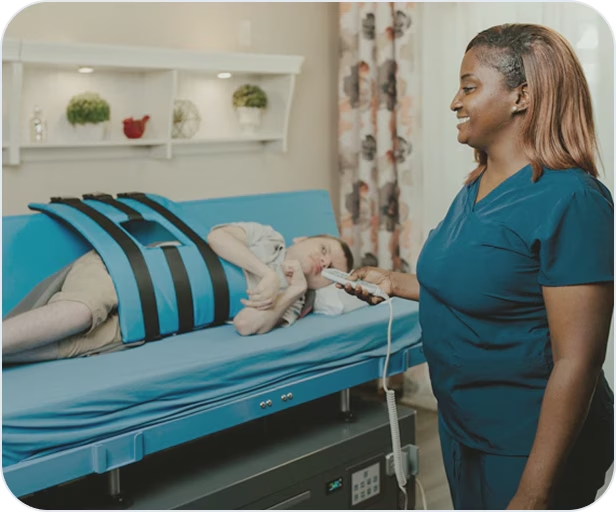
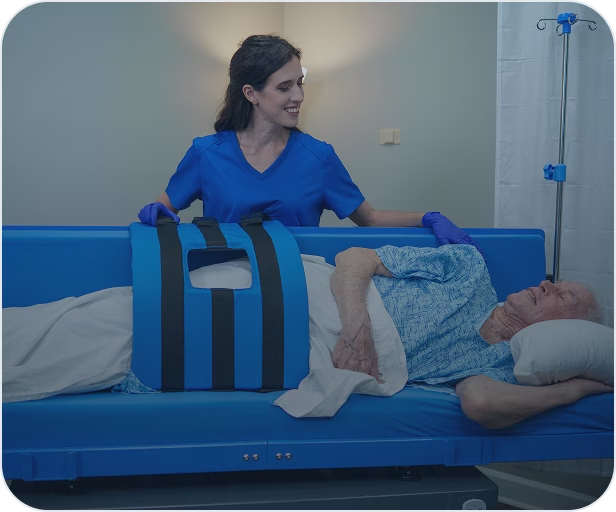
For loved ones who are unable to reposition independently or need reliable support to remain in safe positions, SideLyer is a frequently used tool. Repositioning is essential in many care strategies to relieve pressure on sensitive body areas and improve circulation. SideLyer enables caregivers to make adjustments with simple motorized controls, ensuring the individual remains comfortable while protecting the skin and facilitating routine care activities.
How do pressure ulcers/pressure sores form in immobile patients?
+
The formation of pressure ulcers often occurs over time when a combination of physical conditions is present. Restricted movement, moisture buildup, friction, and skin fragility increase the likelihood of injury. Wounds usually begin as small areas but can progress if pressure remains constant. Caregivers and family members prioritize regular repositioning and specialized surfaces to reduce the chances of bed sores forming.
What happens if an open sore develops on the skin?
+
When an open sore occurs, the primary goal is to support healing while protecting the injured area. This typically requires careful wound care, keeping the skin dry and clean, and preventing additional stress or pressure on surrounding healthy skin.
Can pressure ulcers become life-threatening if they are not treated?
+
Severe pressure injuries can extend into deep ulcers, damaging the tissue underneath the skin. When wounds worsen, areas of dead tissue can appear, which may delay recovery and increase complications. Treatment typically involves specialized care in which clinicians remove the dead tissue and closely monitor the healing process. Preventing injuries early reduces the risk of these serious outcomes.
How does pressure relief help prevent infection and skin damage?
+
Maintaining regular pressure relief promotes blood flow to areas experiencing strain, protecting skin that is prone to breakdown. Caregivers who reduce pressure and track common risk indicators can prevent infection and stop small injuries from escalating. Consistent support in positioning safeguards vulnerable skin and gives the body time to heal before more severe damage develops.
What happens if dead tissue develops in a pressure wound?
+
The presence of dead tissue in a pressure wound indicates that the area has been damaged by continuous pressure and restricted blood flow. Care strategies focus on promoting healing, safeguarding healthy skin nearby, and adjusting positioning to encourage recovery. Limiting pressure on sensitive areas also prevents further pressure injuries from occurring elsewhere.
SideLyer provides a dependable way for caregivers to reposition loved ones safely, helping to prevent bed sores.
How did the SideLyer originate?
+
More than a decade ago, a night-shift nurse at Quest Inc. recognized that residents who lacked the ability to reposition themselves were developing pressure injuries that could have been prevented. At the same time, caregivers were experiencing injuries from frequent manual lifts. Working with her husband, who was a carpenter, she built the first wooden SideLyer, producing it in multiple sizes to suit different residents.
The early versions featured personalized touches such as colors, stickers, trays, and storage, and quickly became a valued part of daily care that improved safety, comfort, and interaction. This original idea eventually grew into a patented motorized system built to meet industry standards.
What is Quest Inc., and how is it related to SideLyer?
+
For over 60 years, Quest Inc. has operated as a nonprofit focused on delivering housing, care, and support for individuals with developmental disabilities. SideLyer originated within Quest Inc.’s residential care program to address pressure ulcers, enhance resident comfort and quality of life, and reduce caregiver strain. Quest Inc. remains an important partner, offering decades of real-world experience that influence SideLyer’s design, safety features, and clinical focus.
Watch our story:
What impact has SideLyer had on individuals in New York and their families?
+
Families across New York have experienced improved comfort, fewer pressure wounds, and increased engagement for their loved ones. Many express peace of mind knowing their family member is safer, more comfortable, and consistently positioned well during the day.
As one Quest Inc. parent shared, “Most of her pressure is not where she can have a skin breakdown. It takes the pressure off the body.”
Other families have reported that wounds expected to take months to heal recovered in significantly less time with consistent repositioning.