How do we get started with SideLyer?
+
Families in Pennsylvania can schedule a virtual demo with our team from home. During the
demonstration, you can watch how SideLyer functions and ask questions about how it may improve care for your
loved one. Following the demo, you can opt for a 90-day free trial to determine how SideLyer fits into your
family’s caregiving routine.
Is SideLyer covered by insurance?
+
SideLyer is often covered by insurance depending on eligibility requirements. The retail price with insurance
is $11,000, whereas families paying out of pocket can expect a cost of $6,900. Our staff is available to help
families understand coverage possibilities and determine the final cost based on their individual
circumstances.
Can families in Pennsylvania rent SideLyer instead of purchasing it?
+
Yes. SideLyer can be rented by families in Pennsylvania who want to avoid the upfront purchase. The rental
price is $550 per month, with a 13-month minimum commitment.
When should we use SideLyer in a care plan?
+
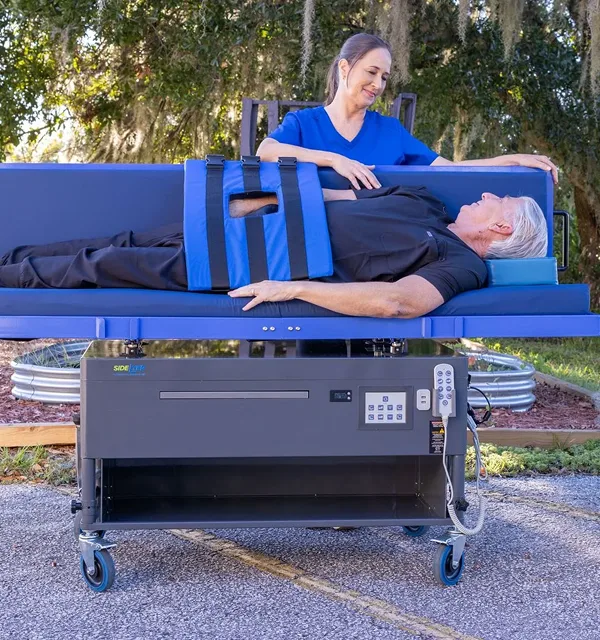
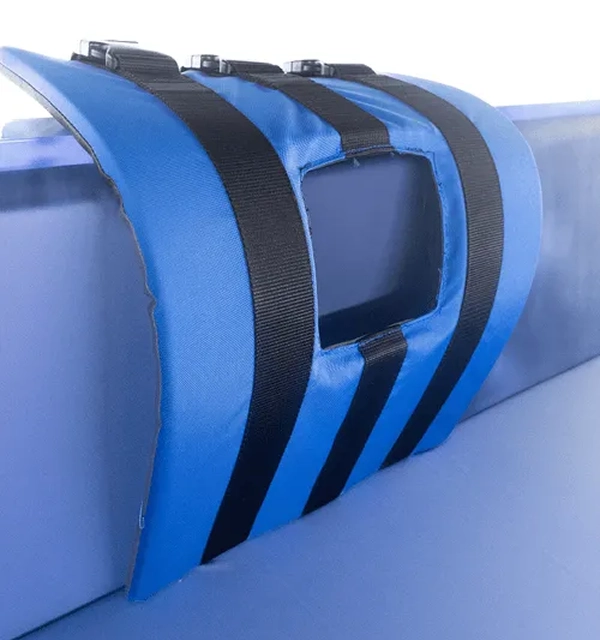
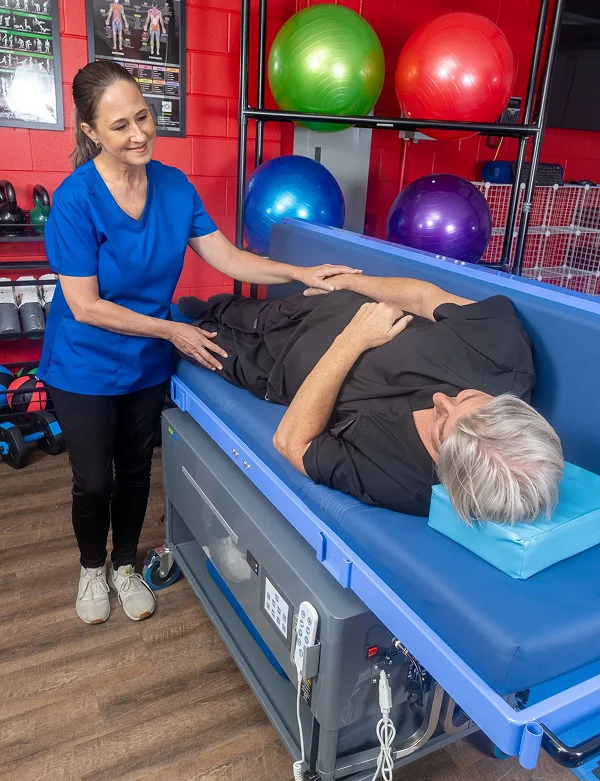
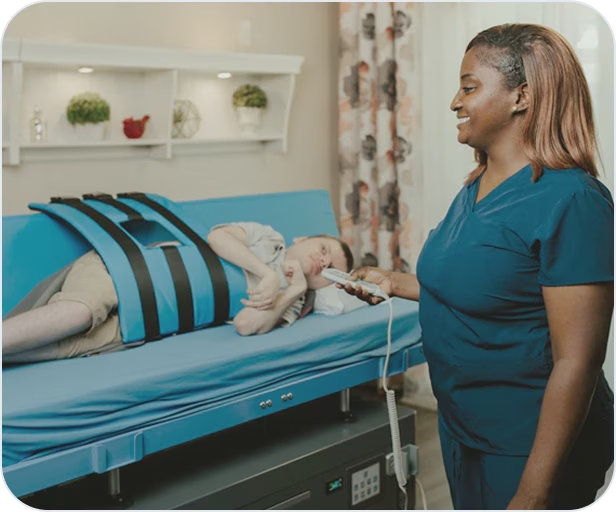
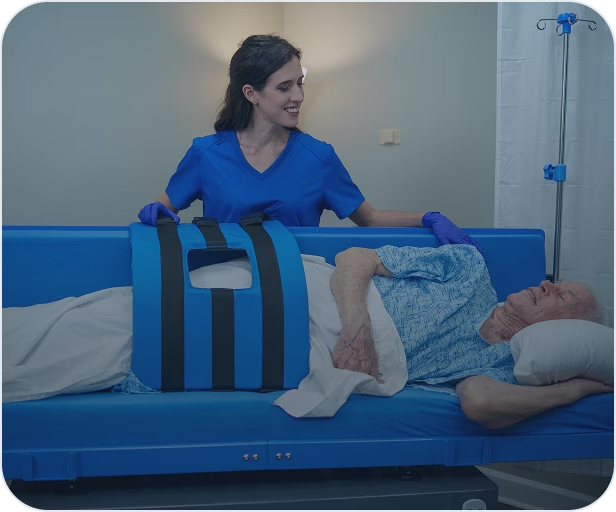
SideLyer is commonly employed when a family member or patient cannot reposition themselves or requires ongoing
support to stay in safe positions and relieve pressure throughout the day. Many care plans highlight
repositioning as a way to prevent pressure-related injuries and promote healthy circulation. The motorized
controls of SideLyer allow caregivers to make gentle adjustments, maintaining comfort while supporting skin
protection and everyday care routines.
How do pressure ulcers/pressure sores form in immobile patients?
+
Pressure injuries often develop slowly when multiple contributing factors interact. Limited movement, moisture
on the skin, friction from contact, and delicate skin all heighten the risk of damage. These wounds often
start small but can worsen if the same area continues to bear pressure. Families and healthcare providers
focus on maintaining consistent repositioning schedules and using supportive surfaces to protect the skin.
What happens if an open sore develops on the skin?
+
Once a sore has opened, protecting the affected area and facilitating the body’s natural healing process
become essential. Care generally includes maintaining clean and dry skin, providing attentive wound care, and
safeguarding nearby healthy tissue from extra pressure.
Can pressure ulcers become life-threatening if they are not treated?
+
In critical cases, pressure wounds can evolve into deep ulcers that compromise underlying tissue. As wounds
become more severe, dead tissue may form, slowing recovery and increasing the chance of complications. Care
often includes specialized wound management, where clinicians carefully remove dead tissue and monitor the
affected area. Early prevention helps minimize the risk of serious consequences.
How does pressure relief help prevent infection and skin damage?
+
Regular pressure management encourages healthy blood flow to areas under sustained stress and shields delicate
skin from injury. Reducing pressure and monitoring risk factors can help prevent infections and ensure minor
injuries do not become major complications. When positioning support is maintained consistently, it protects
affected skin and allows the body to repair itself before serious damage occurs.
What happens if dead tissue develops in a pressure wound?
+
When dead tissue appears in a pressure wound, it reflects damage caused by prolonged pressure and
compromised circulation. Treatment emphasizes protecting the surrounding skin, supporting natural healing,
and adjusting positioning to improve blood flow and tissue recovery. Reducing pressure in affected areas
also helps prevent new pressure injuries from forming.
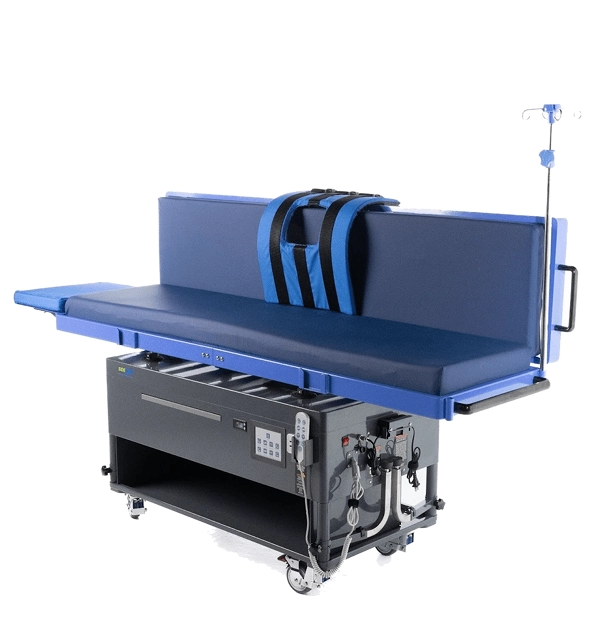
SideLyer allows caregivers to reposition individuals safely and consistently, lowering the risk of bed
sores.
How did the SideLyer originate?
+
The SideLyer started over ten years ago when a night nurse at Quest Inc. observed that residents unable to
reposition themselves were developing preventable pressure injuries, while caregivers were at risk of injury
from repeated manual lifting. She worked alongside her husband, a carpenter, to construct the first wooden
SideLyer, creating several sizes to accommodate different needs.
These initial designs were customized with colors, stickers, trays, and storage features, becoming a widely
appreciated tool that improved safety, comfort, and engagement. Over time, the concept progressed into a
patented motorized system engineered to meet industry requirements.
What is Quest Inc., and how is it related to SideLyer?
+
Quest Inc. is a nonprofit organization with a history spanning more than six decades, dedicated to
providing housing, care, and support to individuals with developmental disabilities. SideLyer was developed
within its residential care program to tackle pressure ulcers, improve resident quality of life, and reduce
the likelihood of caregiver injuries. Today, Quest Inc. continues to provide valuable frontline knowledge
that helps shape SideLyer’s design, safety elements, and clinical mission.
Watch our story:
What impact has SideLyer had on individuals in Pennsylvania and their families?
+
Families in Pennsylvania have reported enhanced comfort, a reduction in pressure wounds, and better social
interaction for their loved ones. Many feel reassured knowing their family member is safer, more
comfortable, and positioned appropriately throughout the day.
As one Quest Inc. parent shared, “Most of her pressure is not where she can have a skin breakdown. It takes
the pressure off the body.”
Others have observed that wounds anticipated to take months to heal improved much faster due to reliable
and consistent repositioning.