How do we get started with SideLyer?
+
Families and care teams can begin by scheduling a virtual demo with our team from Florida.
The demo provides a chance to observe the system in operation and ask detailed questions about how SideLyer
could improve care for patients.
Following the demo, you have the opportunity to take part in a 90-day free trial to see firsthand how
SideLyer can integrate into your facility’s daily care routines and support better patient outcomes.
Is SideLyer covered by insurance?
+
Depending on eligibility, SideLyer is frequently offered through insurance plans, allowing families to access
the system at a reduced cost. With insurance coverage, the retail price is $11,000, while the cost without
coverage is $6,900. Our team works closely with families to help them understand their insurance benefits,
navigate coverage rules, and determine what the final price could look like for their individual
circumstances.
Can our health facility in Florida rent SideLyer instead of purchasing it?
+
SideLyer offers a rental option for individuals or facilities in Florida who want to benefit from the system
without committing to a full purchase. The cost for renting is $550 per month, with a minimum rental period of
13 months. This arrangement allows users to experience the system’s advantages while maintaining flexibility
in managing their care or operational budgets.
When should we use SideLyer in a care plan?
+
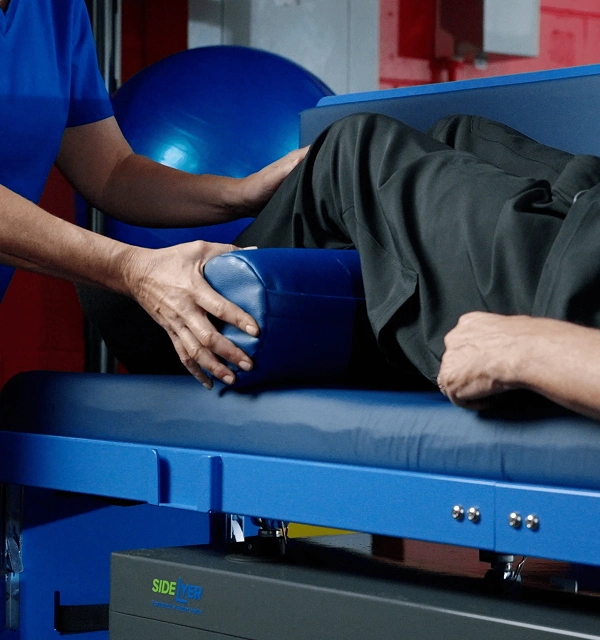
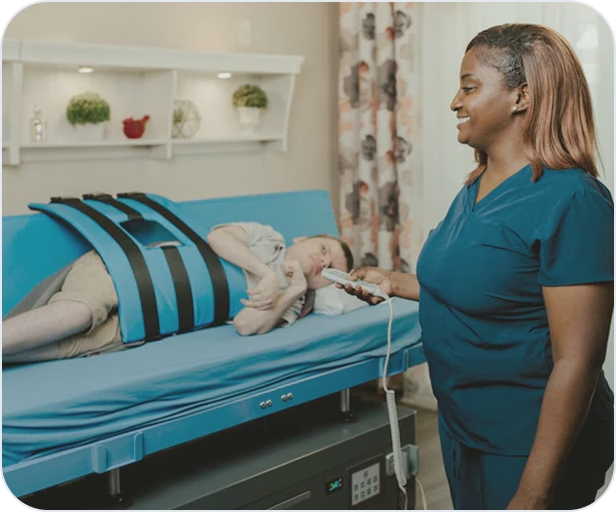
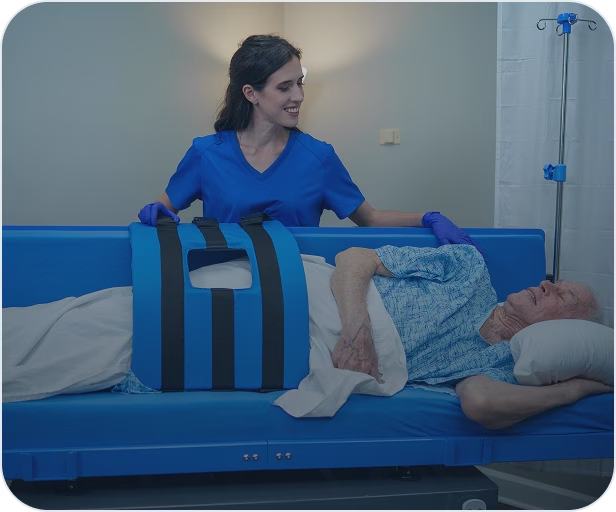
For patients who are unable to reposition themselves or need consistent assistance to remain in safe
positions, SideLyer provides a reliable solution. Repositioning is a crucial part of care plans, helping
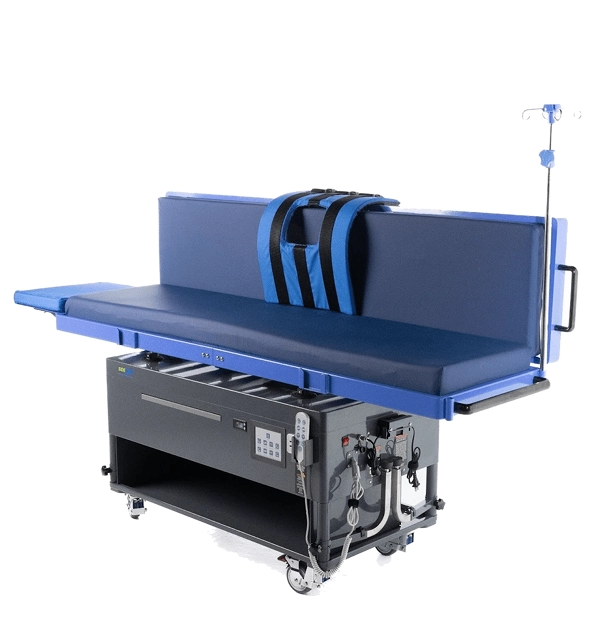
protect the skin from extended pressure and supporting healthy blood flow. With SideLyer, caregivers can use
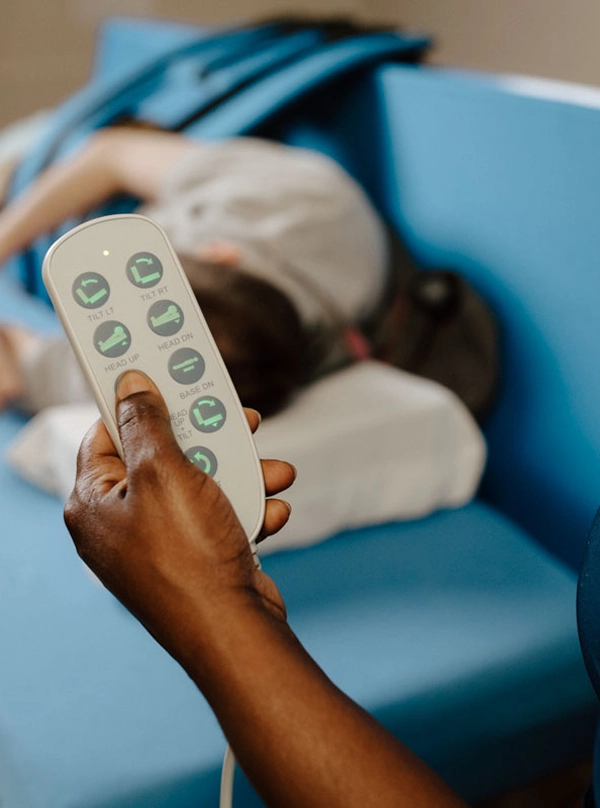
simple motorized controls to adjust positions throughout the day, making it easier to maintain comfort,
protect the skin, and carry out daily care tasks with greater efficiency.
How do pressure ulcers/pressure sores form in immobile patients?
+
The onset of pressure sores is often gradual and influenced by multiple physical conditions. Immobility,
moisture accumulation, friction, and delicate skin can all combine to increase the risk of skin breakdown.
These sores usually begin as minor irritations or small wounds, but if pressure is not relieved, they can
worsen over time. Both family caregivers and healthcare providers emphasize consistent repositioning schedules
and pressure-relieving surfaces to protect skin and reduce the chances of developing serious bed sores.
How does SideLyer support care when dead tissue is present?
+
With SideLyer, positioning is improved so that clinicians can access pressure-affected areas efficiently and
safely, reducing the need for repeated manual lifting or turning. This consistent support aids in the careful
management of pressure ulcers while staff monitor the wound, remove necrotic tissue as needed, and ensure that
healing progresses under controlled conditions.
How does SideLyer help prevent pressure ulcers in high-risk patients?
+
Through reliable and controlled repositioning, SideLyer helps prevent the conditions that lead to pressure
ulcer formation. It is particularly effective in mitigating risk factors such as immobility, poor nutritional
status, and fragile skin. For patients with spinal cord injuries, consistent repositioning with SideLyer
lowers the chance of pressure ulcer development and prevents minor wounds from progressing into more serious
or decubitus ulcers.
How does SideLyer support pressure reduction for at-risk patients?
+
By delivering steady and controlled pressure relief, SideLyer helps protect sensitive areas from prolonged
stress, encourages proper circulation, and alleviates pain. Integrated into comprehensive care plans with
supportive surfaces, it plays a critical role in preventing chronic pressure injuries, minimizing the risk of
infected ulcers, and promoting better outcomes for long-standing wounds.
How does SideLyer support daily skin care routines?
+
The SideLyer system helps caregivers ensure that skin remains clean and dry, which is essential for preventing
pressure-related injuries. It also facilitates easy monitoring of subtle changes in skin color, allowing staff
to respond promptly. When used alongside moisture barrier creams, SideLyer enhances wound care protocols and
promotes healthy skin for individuals under continuous care.
Can SideLyer help manage long-term wound risks?
+
Indeed, SideLyer is designed to assist with pressure relief and sustained, proper positioning throughout the
day. This consistent support helps limit the progression of pressure injuries into more severe or chronic
conditions and contributes to improved healing for persistent wounds.
How did the SideLyer originate?
+
More than a decade ago, a night-shift nurse at Quest Inc. realized that residents unable to reposition
themselves were at high risk of pressure injuries, and that caregivers were often injured during manual
lifting. To address this challenge, she and her husband, a carpenter, designed and built the first SideLyer
by hand using wood, creating multiple sizes to ensure it could accommodate different residents comfortably.
The original models were carefully personalized with colors, stickers, trays, and storage, making them
appealing and practical for daily use. Over time, this early invention transformed into a patented,
motorized system engineered to meet industry standards. The SideLyer today maintains the original goal of
enhancing safety, comfort, and engagement for residents while reducing physical strain on caregivers.
What is Quest Inc., and how is it related to SideLyer?
+
For six decades, Quest Inc. has been providing a stable environment, expert care, and ongoing support for
individuals living with developmental disabilities. The SideLyer emerged from its residential program to
tackle the challenges of pressure ulcer prevention, improve resident comfort, and reduce the physical
demands on caregivers during repositioning. Even now, Quest Inc. remains a key partner, sharing decades of practical experience that shape the design,
safety standards, and clinical strategies of SideLyer to ensure it meets the real needs of residents and
staff.
Watch our story:
What impact has SideLyer had on individuals in Florida and their families?
+
Individuals in Florida benefiting from ongoing repositioning support demonstrate improved comfort, fewer
pressure wounds, and greater engagement in social and daily activities. Consistent care enhances overall
well-being and encourages active participation in routine interactions with caregivers and family members.
Families frequently express relief that their loved ones are safer, more comfortable, and properly
positioned throughout the day. One Quest Inc. parent commented, “Most of her pressure is not where she can
have a skin breakdown. It takes the pressure off the body.” These firsthand experiences highlight the
reassurance families feel when consistent care is applied.
Other caregivers noted that wounds initially predicted to take “months and months” to heal recovered far
sooner due to regular, attentive repositioning. This demonstrates how careful, structured support can
significantly accelerate healing and improve the quality of life for individuals in care.