How do we get started with SideLyer?
+
Families and healthcare facilities in Illinois can begin by scheduling a virtual demo with
our knowledgeable team. During this session, you will see SideLyer in operation and gain the chance to ask
detailed questions about how it supports patient care and improves outcomes. Following the demonstration,
you have the option to participate in a 90-day free trial, allowing you to experience firsthand how SideLyer
integrates into daily routines while enhancing patient safety, comfort, and engagement.
Is SideLyer covered by insurance?
+
SideLyer may be available through insurance for individuals who meet eligibility criteria, although coverage
depends on the specific policy and its requirements. When insurance applies, the retail price is $11,000,
while purchasing without insurance brings the cost to $6,900. Our knowledgeable team works closely with
families to explain their options, review the details of their coverage, and evaluate the potential final
expense based on their particular circumstances, ensuring a clear understanding and informed decision-making
process.
Can our health facility in Pennsylvania rent SideLyer instead of purchasing it?
+
Yes, SideLyer is available as a rental option for individuals or families in Pennsylvania who may prefer not
to purchase the system outright. This rental arrangement provides full access to all features of the SideLyer
system while requiring a monthly payment of $550 and a minimum commitment period of 13 months, offering
flexibility and convenience for those exploring long-term care solutions.
When should we use SideLyer in a care plan?
+
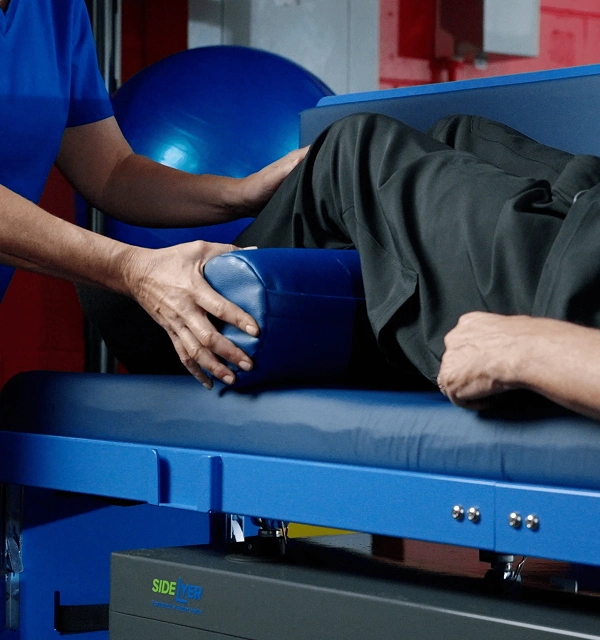
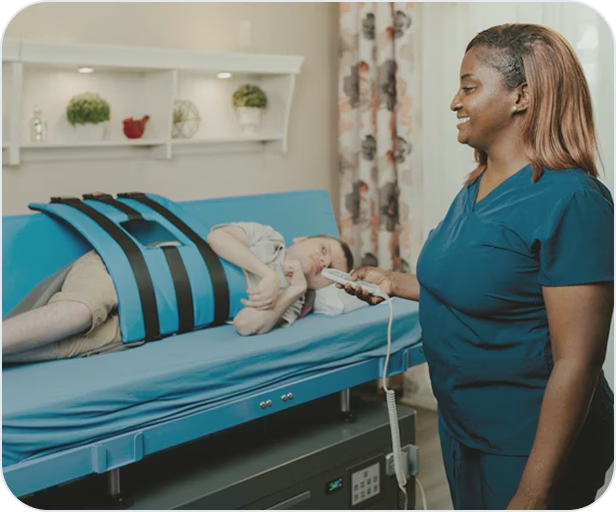
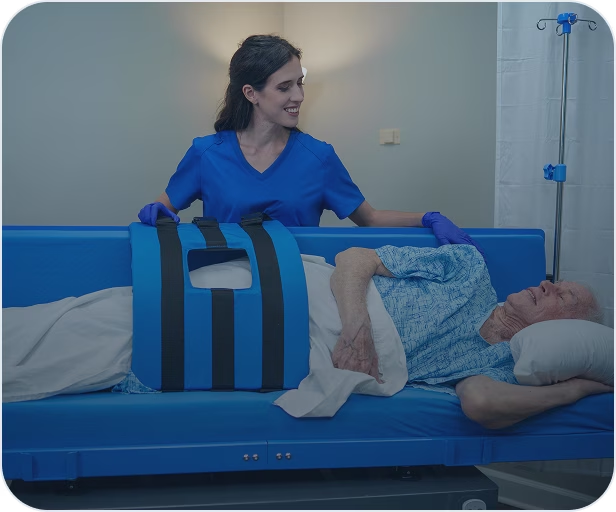
SideLyer is especially helpful for patients who are unable to reposition themselves or who need ongoing
support to maintain safe, pressure-relieving positions throughout the day. Proper repositioning is a vital
part of many care plans because it safeguards vulnerable skin, enhances blood flow, and helps prevent
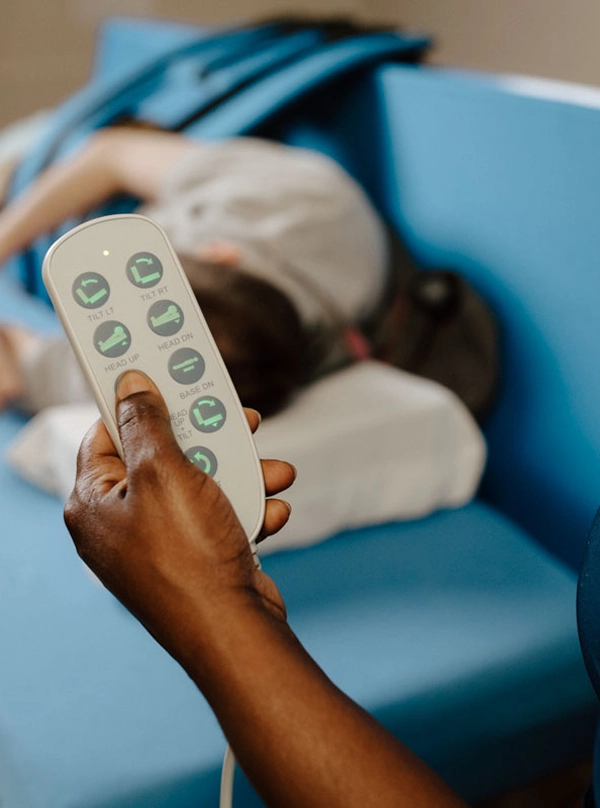
pressure-related injuries. With its easy-to-use motorized controls, SideLyer enables caregivers to adjust
patient positions efficiently, supporting comfort, protecting skin integrity, and allowing daily care
activities to be completed more safely and effectively.
How do pressure ulcers/pressure sores form in immobile patients?
+
Pressure sores generally develop gradually as multiple physical conditions interact over time. Limited
mobility, constant pressure on bony areas, prolonged moisture exposure, friction, and sensitive skin all
contribute to an elevated risk of skin breakdown. Early signs often include redness or mild irritation, but
without proper intervention, these areas can worsen into severe wounds. Care teams and families alike
emphasize consistent repositioning and the use of supportive surfaces to reduce the likelihood of serious bed
sores.
How does SideLyer support care when dead tissue is present?
+
SideLyer helps maintain optimal positioning, giving healthcare providers better access to affected areas
without relying on repeated manual turns or lifting. This approach minimizes physical strain on caregivers and
enhances patient safety during pressure ulcer management. Teams can more efficiently carry out essential
interventions such as necrotic tissue removal, wound monitoring, and dressing changes while the patient
remains properly supported.
How does SideLyer help prevent pressure ulcers in high-risk patients?
+
SideLyer is an essential tool for preventing pressure ulcers by allowing caregivers to reposition patients
consistently and in a controlled manner. This helps reduce the conditions that commonly lead to skin
breakdown, such as prolonged pressure, poor circulation, and compromised tissue health. For individuals living
with spinal cord injuries, regular use of SideLyer can greatly decrease the risk of pressure ulcer formation
and prevent these injuries from worsening into more serious or decubitus wounds. Over time, this contributes
to improved skin integrity and better overall long-term health outcomes.
How does SideLyer support pressure reduction for at-risk patients?
+
SideLyer provides continuous and reliable relief from external pressure, which is essential for maintaining
skin health, improving circulation, and reducing discomfort related to immobility. When used alongside
supportive surfaces that are specifically chosen for each patient, SideLyer becomes a highly effective method
for preventing chronic pressure ulcers, lowering the likelihood of infection, and assisting in the care and
recovery of long-term wounds.
How does SideLyer support daily skin care routines?
+
SideLyer supports caregivers and healthcare staff in keeping the skin of high-risk patients clean, dry, and
healthy. By enabling regular and controlled repositioning, the system allows for easier observation of early
changes in skin color, texture, or condition. When incorporated into care plans that use moisture barrier
creams and other preventative measures, SideLyer provides consistent, reliable support to prevent pressure
injuries and promote long-term skin wellness.
Can SideLyer help manage long-term wound risks?
+
Yes, SideLyer is designed to provide consistent pressure relief and stable positioning for individuals who are
immobile or have limited movement. By maintaining proper alignment and redistributing pressure, it helps
prevent the formation of chronic pressure ulcers. Over time, this controlled support also contributes to
better wound healing and improved recovery for patients with existing or persistent skin injuries.
How did the SideLyer originate?
+
The origins of SideLyer go back more than a decade when a dedicated night-shift nurse at Quest Inc.
recognized a dual problem: residents who could not reposition themselves were highly susceptible to pressure
injuries, and caregivers faced physical strain and risk of injury from repetitive manual lifting. To tackle
this challenge, she partnered with her husband, a skilled carpenter, to create the very first SideLyer by
hand using wood, carefully crafting multiple sizes to accommodate the diverse needs of each resident.
These first models were thoughtfully customized with personal touches, including hand-painted colors,
stickers, built-in trays, and storage solutions, making the device both practical and enjoyable for
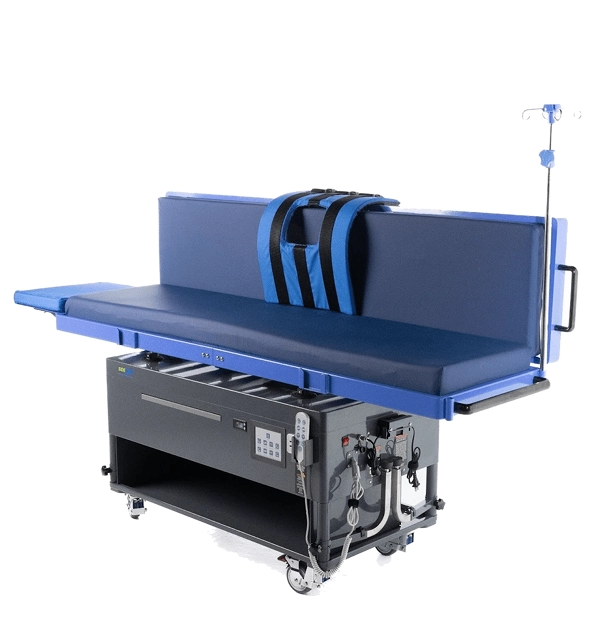
residents. Over time, this early prototype evolved into a fully patented, motorized system manufactured to
meet industry standards, providing enhanced safety, comfort, and engagement while significantly reducing the
physical burden on caregiving staff.
What is Quest Inc., and how is it related to SideLyer?
+
For more than sixty years, Quest Inc. has dedicated itself to providing safe and supportive homes,
individualized care, and comprehensive services for people with developmental disabilities. Within its
residential care programs, the SideLyer was created as a practical and innovative solution to help prevent
pressure ulcers, increase resident comfort, and enhance overall quality of life. By reducing the physical
strain on caregivers during repositioning tasks, the device has become a reliable and essential part of
daily care routines. Today, Quest Inc. continues to serve as a critical partner, contributing decades of
hands-on experience that shape the device’s design, safety measures, and clinical best practices.
Watch our story:
What impact has SideLyer had on individuals in Illinois and their families?
+
Individuals in Illinois who receive regular and carefully managed repositioning notice significant
improvements in comfort, fewer pressure-related injuries, and increased participation in social interactions
and daily routines. This structured attention supports both physical health and overall quality of life for
those under care.
Families frequently express relief and gratitude knowing their loved ones are safer, remain comfortable,
and are positioned appropriately throughout the day. One parent associated with Quest Inc. shared, “Most of
her pressure is not where she can have a skin breakdown. It takes the pressure off the body.” Statements
like this demonstrate the effectiveness and compassionate nature of attentive care.
Other caregivers have observed that wounds initially predicted to require extended periods to heal often
recover far more quickly with consistent repositioning and proactive management. These experiences highlight
the importance and benefit of deliberate, structured care for individuals facing mobility challenges.