How do we get started with SideLyer?
+
Schedule a virtual demo with our team all the way from New York. The demo allows you to
watch the system in action and ask questions about how SideLyer could support patients under your care.
Once the demo is complete, you can opt for a 90-day free trial to test SideLyer in your facility and
evaluate how it enhances daily care routines and promotes patient well-being.
Is SideLyer covered by insurance?
+
In many cases, SideLyer is available through insurance, contingent on eligibility and plan specifics. When
insurance is applied, the retail price is $11,000; without coverage, the system costs $6,900. Our team is
available to provide guidance to families, helping them review insurance options, understand potential
financial responsibilities, and clarify how the final cost might vary depending on their particular
circumstances.
Can our health facility in New York rent SideLyer instead of purchasing it?
+
SideLyer can also be obtained through a rental program, making it an option for those in New York who do not
wish to buy the system immediately. The rental fee is $550 per month, with a required commitment of at least
13 months. This allows families and caregivers to experience the benefits of SideLyer while managing costs and
evaluating how it fits into their care routine.
When should we use SideLyer in a care plan?
+
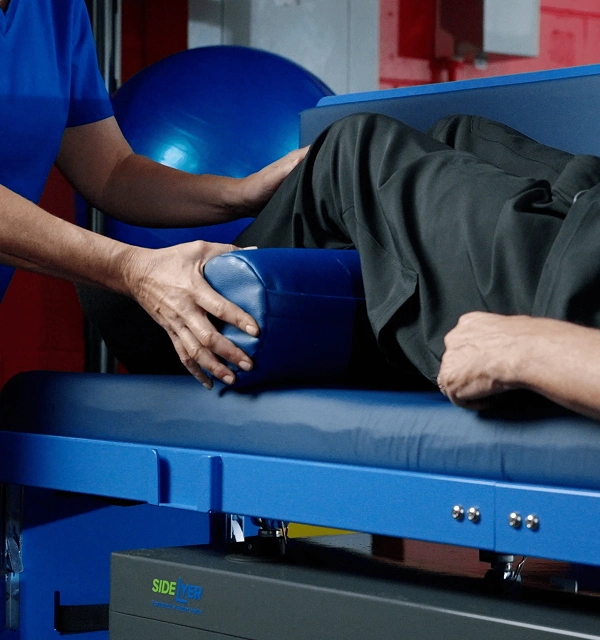
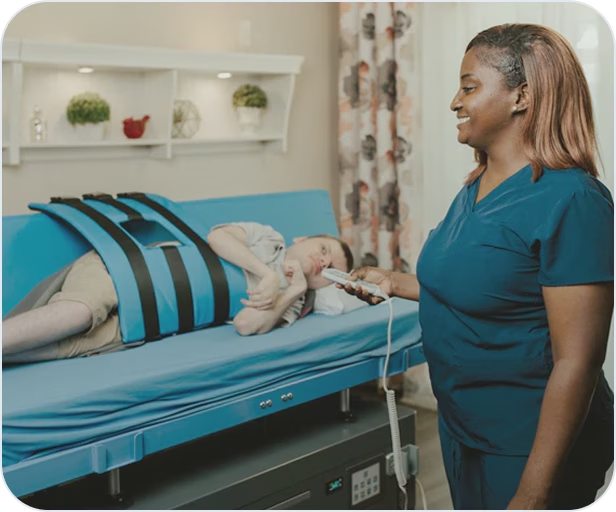
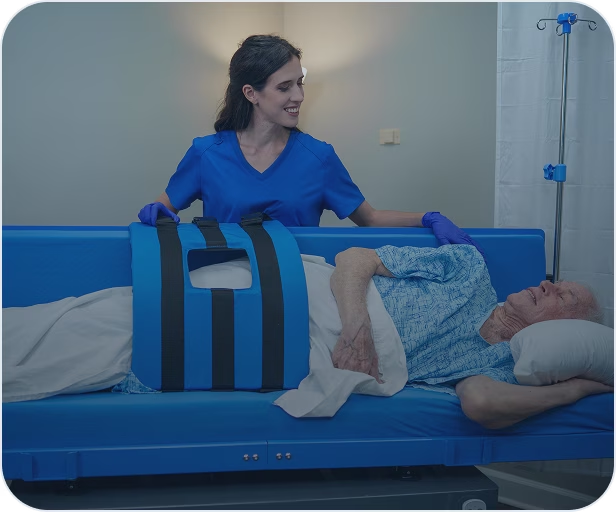
When patients are unable to reposition themselves or need dependable support to maintain safe postures and
relieve pressure, SideLyer is often incorporated into their care plan. Repositioning is essential to protect
sensitive areas from prolonged stress and to support blood flow. SideLyer facilitates this by providing
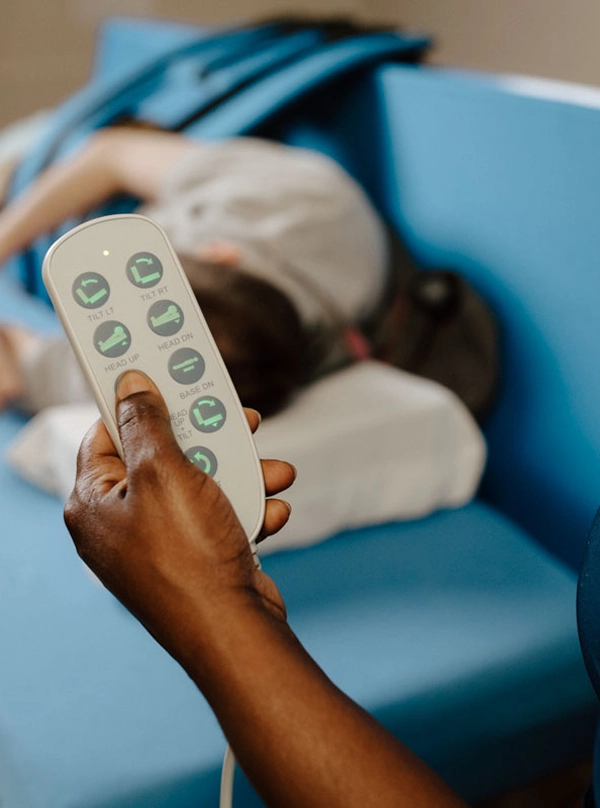
caregivers with intuitive motorized controls, allowing for smooth adjustments that maintain comfort, safeguard
skin health, and assist with everyday care activities.
How do pressure ulcers/pressure sores form in immobile patients?
+
The formation of pressure sores is often a gradual process, resulting from a combination of physical factors
that place stress on the skin. Limited mobility, constant moisture, friction, and weakened skin integrity all
heighten the chances of injury. While these wounds frequently start as minor irritations, continued pressure
can cause them to expand or deepen over time. Caregivers and healthcare teams prioritize consistent
repositioning and the implementation of pressure-relieving surfaces to minimize risk and maintain skin health.
How does SideLyer support care when dead tissue is present?
+
SideLyer facilitates optimal positioning of patients, enabling clinical staff to treat pressure ulcers without
frequent manual repositioning. This supports a safer approach to wound management, allowing caregivers to
monitor healing effectively, remove dead tissue when necessary, and reduce the risk of further tissue damage
during routine care.
How does SideLyer help prevent pressure ulcers in high-risk patients?
+
By promoting regular and consistent repositioning, SideLyer helps prevent the development of pressure ulcers
by alleviating pressure on vulnerable areas of the body. It also assists in managing risk factors such as
immobility, reduced blood flow, and inadequate nutrition. Patients with spinal cord injuries, for instance,
benefit from a reduced risk of pressure ulcer formation and a lower chance of progression into severe or
decubitus ulcers, making skin care more manageable and effective.
How does SideLyer support pressure reduction for at-risk patients?
+
With continuous pressure reduction, SideLyer helps relieve stress on sensitive areas, maintains adequate
circulation, and decreases discomfort for individuals who cannot reposition themselves. In combination with
appropriate support surfaces, it plays a key role in preventing chronic pressure injuries, reducing the
likelihood of infected ulcers, and supporting the treatment and recovery of chronic wounds.
How does SideLyer support daily skin care routines?
+
With SideLyer, staff can more effectively keep skin protected, clean, and dry while observing any early signs
of changes in skin color. This proactive approach allows caregivers to intervene quickly and adjust care
routines as needed. SideLyer complements care plans that incorporate moisture barrier creams, enhancing wound
prevention strategies and supporting overall skin integrity.
Can SideLyer help manage long-term wound risks?
+
Certainly, SideLyer promotes ongoing pressure relief and stable positioning, which are essential for
protecting vulnerable skin. By helping manage and reduce prolonged pressure, it minimizes the risk of chronic
pressure ulcers and supports more favorable outcomes for individuals with long-standing wounds.
How did the SideLyer originate?
+
Over a decade ago, a night-shift nurse at Quest Inc. recognized that residents who were unable to
reposition themselves were developing pressure injuries that could be prevented. She also noticed that
caregivers were being physically strained while lifting residents manually. In response, she partnered with
her husband, a carpenter, to build the first SideLyer from wood, producing different sizes to accommodate
each resident’s needs.
The early handcrafted models were further personalized with colorful designs, stickers, trays, and
convenient storage, making them practical and visually engaging for residents. As the concept evolved, it
transformed into a patented motorized system engineered to industry standards. Today, the SideLyer continues
to provide enhanced safety, comfort, and engagement while minimizing physical strain for caregivers.
What is Quest Inc., and how is it related to SideLyer?
+
For over sixty years, Quest Inc. has dedicated itself to providing housing, care, and supportive services
tailored to individuals with developmental disabilities. The SideLyer originated within this residential
care program as a response to the challenges of pressure ulcer prevention, resident comfort, and caregiver
safety. Its development was guided by real-world experience and the needs of both residents and staff.
Currently, Quest Inc. remains an active partner in refining SideLyer, contributing invaluable insights from
decades of hands-on care that inform its design, functionality, and clinical effectiveness.
Watch our story:
What impact has SideLyer had on individuals in New York and their families?
+
Individuals in New York who receive regular repositioning support demonstrate improved comfort, fewer
pressure wounds, and higher levels of social interaction throughout the day. Proper positioning allows for
better circulation, reduced risk of injury, and enhanced participation in daily activities.
Families frequently express relief and gratitude knowing their loved ones are safer, more comfortable, and
well-supported throughout the day. One parent at Quest Inc. shared, “Most of her pressure is not where she
can have a skin breakdown. It takes the pressure off the body.” These personal stories highlight the
reassurance consistent care provides.
Others noted that injuries expected to require “months and months” to heal recovered much faster thanks to
consistent repositioning and close attention to vulnerable areas. The results demonstrate the effectiveness
of structured, attentive care routines.