How do we get started with SideLyer?
+
Families and healthcare providers across North Carolina can take the first step by booking a virtual demo with our team. During this interactive session, you will see SideLyer being used
in typical care settings and have the chance to inquire about its functionality and benefits for patients.
After the demonstration, you are invited to take advantage of a 90-day free trial to determine how SideLyer
can enhance daily caregiving routines while promoting patient safety, comfort, and active engagement.
Is SideLyer covered by insurance?
+
SideLyer is often available to eligible individuals through insurance, though coverage can differ based on the
specific policy and requirements. With insurance, the standard retail price is $11,000, whereas purchasing
without coverage results in a cost of $6,900. Our team guides families through the process by examining
available options, interpreting coverage details, and providing insight into the potential final expense,
allowing for clear understanding and informed decision-making.
Can our health facility in North Carolina rent SideLyer instead of purchasing it?
+
Yes, individuals and families in North Carolina can take advantage of SideLyer’s rental program if purchasing
the system outright is not ideal. The rental provides complete access to the SideLyer system, with monthly
payments of $550 and a minimum rental period of 13 months. This flexible arrangement enables caregivers and
patients to incorporate advanced pressure injury prevention technology into their care routines while managing
costs and evaluating long-term use.
When should we use SideLyer in a care plan?
+
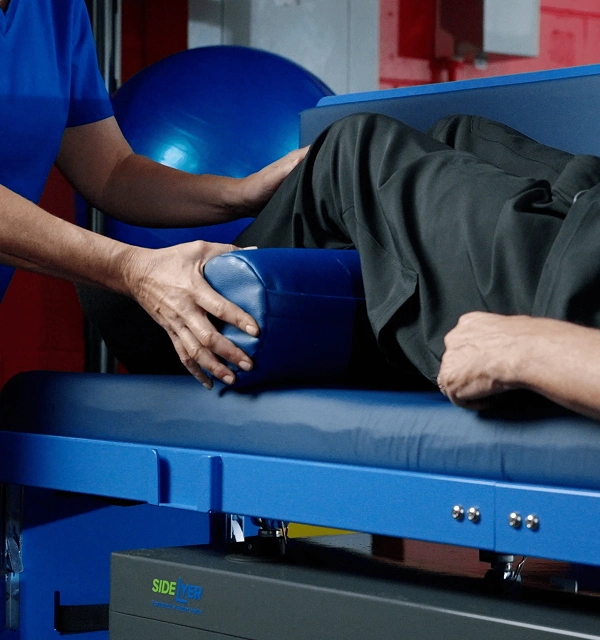
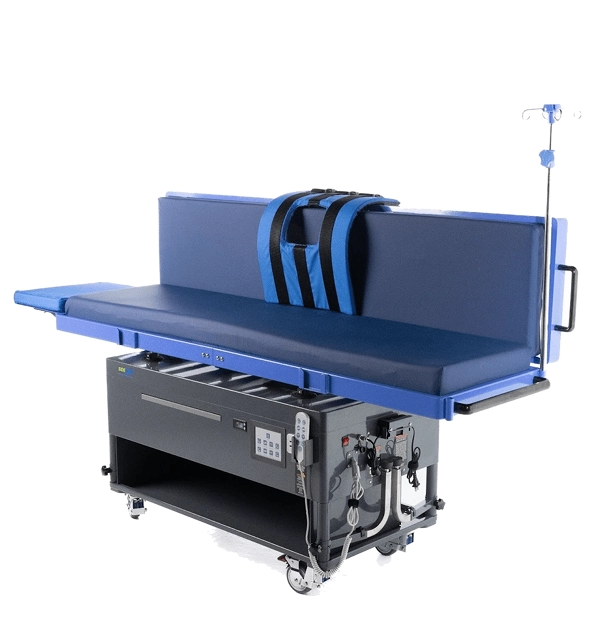
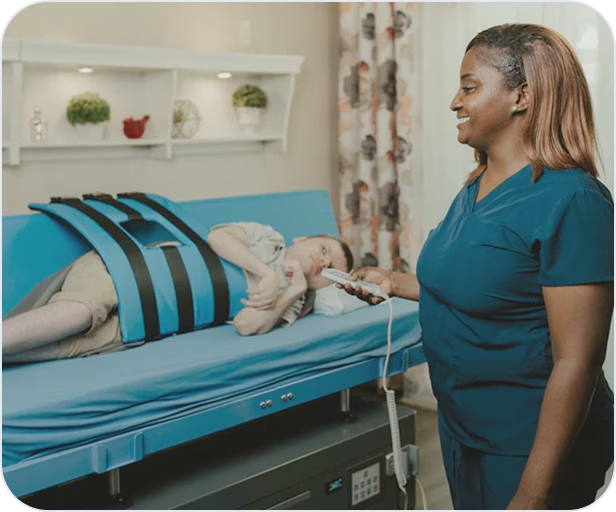
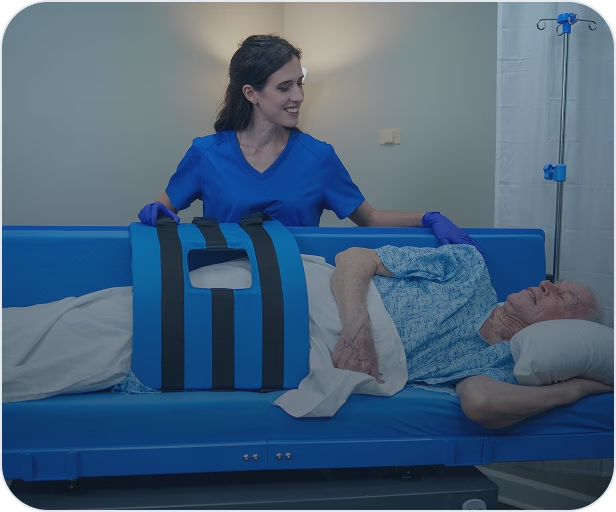
SideLyer is highly effective for patients who are immobile or require continuous assistance to maintain
pressure-relieving positions. Repositioning is a vital component of care plans, helping to protect the skin,
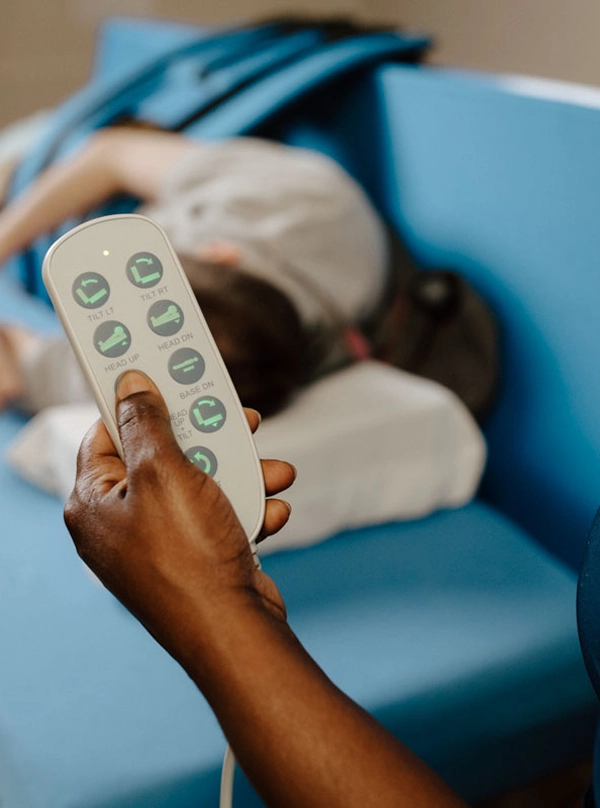
enhance circulation, and prevent pressure injuries. Caregivers can operate SideLyer’s intuitive motorized
controls to adjust patient positioning smoothly, allowing for comfort, safe completion of daily tasks, and
adherence to best practices in skin protection.
How do pressure ulcers/pressure sores form in immobile patients?
+
Pressure sores develop as a result of prolonged pressure, friction, moisture, and delicate skin interacting
over time. Limited mobility increases the risk, and what may start as minor redness can quickly progress into
deeper, more serious wounds. Caregivers and clinical teams emphasize the importance of consistent
repositioning and supportive surfaces to prevent these potentially harmful injuries.
How does SideLyer support care when dead tissue is present?
+
SideLyer provides steady positioning so that medical staff can access affected areas without repeated manual
lifting. This reduces caregiver strain and promotes safer pressure ulcer management. It allows teams to
perform essential tasks such as necrotic tissue removal, close monitoring, and dressing changes while keeping
the patient supported and comfortable.
How does SideLyer help prevent pressure ulcers in high-risk patients?
+
By providing consistent and controlled repositioning, SideLyer addresses the main risk factors for pressure
ulcers, including immobility, restricted blood flow, and compromised tissue health. It is especially
beneficial for individuals with spinal cord injuries, offering a reliable way to prevent the formation of
pressure sores and stop early skin irritation from developing into severe decubitus ulcers. The system
supports long-term skin integrity and promotes overall patient health while reducing the physical burden on
caregivers tasked with daily repositioning.
How does SideLyer support pressure reduction for at-risk patients?
+
SideLyer ensures consistent and controlled reduction of external pressure, which preserves skin integrity,
enhances vascular flow, and alleviates pain for patients with limited mobility. When paired with supportive
surfaces designed for optimal patient care, it is highly effective in preventing the formation of chronic
pressure ulcers, lowering infection risks, and assisting in the management and recovery of wounds that require
long-term attention.
How does SideLyer support daily skin care routines?
+
SideLyer is designed to assist healthcare staff and caregivers in ensuring that patients at risk for pressure
injuries maintain optimal skin health. Through precise positioning and consistent repositioning, it allows for
early detection of changes in skin appearance, including color and texture. When used alongside moisture
barrier treatments as part of a structured care plan, SideLyer delivers ongoing protection, supports wound
prevention, and promotes the long-term well-being of the skin.
Can SideLyer help manage long-term wound risks?
+
SideLyer is effective in providing controlled, consistent support for individuals with limited mobility,
ensuring that pressure is relieved from high-risk areas. This approach helps prevent chronic pressure ulcers
and supports the recovery and gradual healing of persistent wounds, offering both protection and improved
outcomes for patients over time.
How did the SideLyer originate?
+
SideLyer’s development began over a decade ago when a night-shift nurse at Quest Inc. realized that
residents unable to move on their own faced serious risk of pressure injuries and that caregivers were
frequently injured through repetitive manual handling. Working with her husband, a carpenter, she hand-built
the first SideLyer from wood, designing several sizes to meet the specific needs of residents with varying
levels of mobility.
The original handcrafted models were enhanced with personal touches such as hand-applied colors, stickers,
functional trays, and storage compartments, creating a device that was practical, engaging, and
user-friendly. Over the years, this early innovation was refined into a fully patented motorized system,
meeting professional industry standards, improving patient comfort and engagement, and reducing the physical
strain on caregivers across multiple care settings.
What is Quest Inc., and how is it related to SideLyer?
+
Quest Inc. has over sixty years of experience offering secure homes, personalized care, and comprehensive
services for individuals with developmental disabilities. The SideLyer was developed within its residential
programs to serve as an effective solution for preventing pressure ulcers, increasing comfort, and improving
residents’ overall well-being. By minimizing the risk of injuries to caregivers during routine
repositioning, the device has become essential to everyday care practices. Quest Inc. remains a key partner
in its development, using decades of frontline expertise to guide its design, safety standards, and clinical
implementation.
Watch our story:
What impact has SideLyer had on individuals in North Carolina and their families?
+
Individuals in North Carolina who receive structured and ongoing repositioning enjoy enhanced comfort,
fewer incidents of pressure injuries, and greater participation in routine and social activities. This
deliberate care approach strengthens both physical health and overall quality of life.
Families frequently express relief knowing their loved ones are well-positioned, comfortable, and secure
throughout the day. A Quest Inc. parent remarked, “Most of her pressure is not where she can have a skin
breakdown. It takes the pressure off the body.” Such statements confirm the effectiveness and compassion
inherent in attentive caregiving.
Caregivers have also reported that wounds initially expected to require long-term recovery often heal more
rapidly with consistent repositioning and monitoring. These experiences reinforce the importance of
structured, diligent care for individuals facing mobility challenges.