How do we get started with SideLyer?
+
Ohio families and care facilities can initiate the process by arranging a virtual demo with
our expert team. The session provides an opportunity to observe SideLyer in practical use and to ask
specific questions regarding its role in maintaining patient well-being. After viewing the demonstration,
you may opt for a 90-day free trial to evaluate how SideLyer can be incorporated into daily care practices,
improving patient comfort, engagement, and overall safety.
Is SideLyer covered by insurance?
+
For eligible individuals, SideLyer can often be obtained through insurance, though the extent of coverage
varies depending on the policy and any special conditions. With insurance coverage, the standard retail price
is $11,000, while the direct purchase cost without insurance is $6,900. Our team assists families by carefully
reviewing coverage details, exploring available options, and helping them understand the expected
out-of-pocket expense, allowing them to make confident and informed choices.
Can our health facility in Ohio rent SideLyer instead of purchasing it?
+
For individuals or families in Ohio who do not wish to purchase SideLyer immediately, a rental option is
available. This program gives complete access to the SideLyer system’s capabilities, with a monthly rental fee
of $550 and a required commitment of at least 13 months. Renting provides a practical and adaptable solution
for those seeking long-term care support without the upfront cost of ownership.
When should we use SideLyer in a care plan?
+
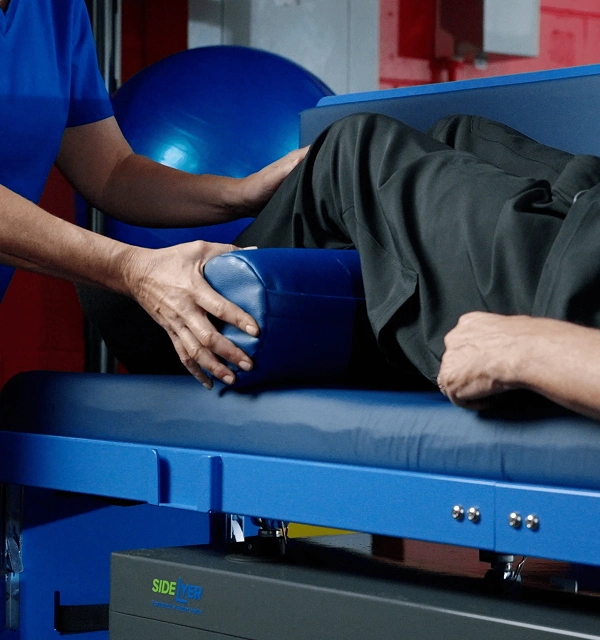
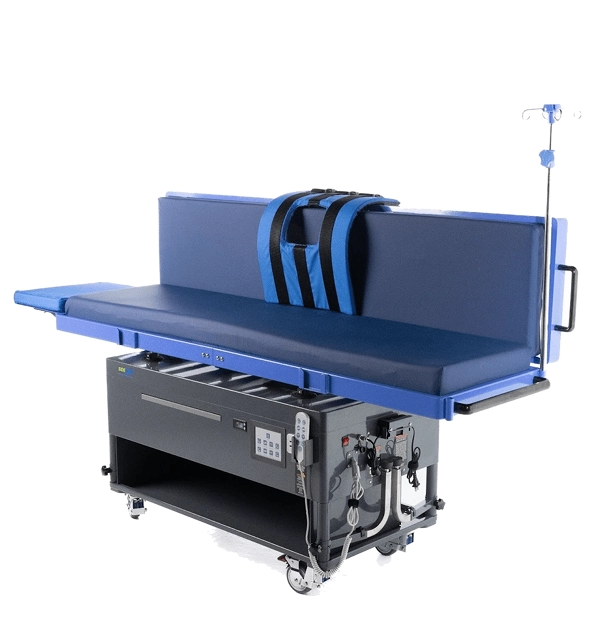
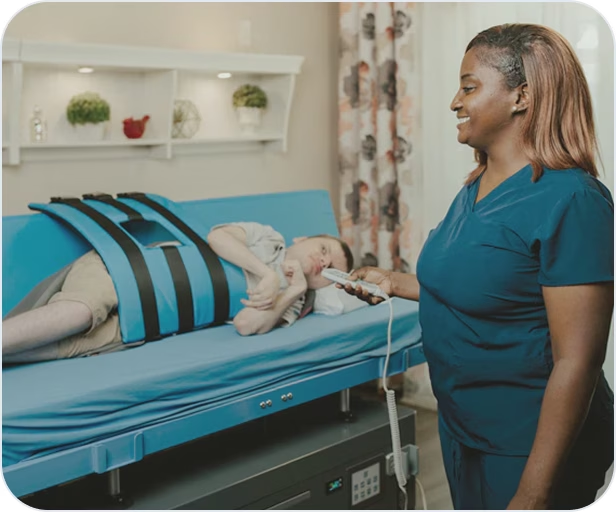
SideLyer is ideal for patients with limited or no independent mobility, providing continuous support to
maintain positions that reduce pressure on sensitive areas. Repositioning is a critical part of preventing
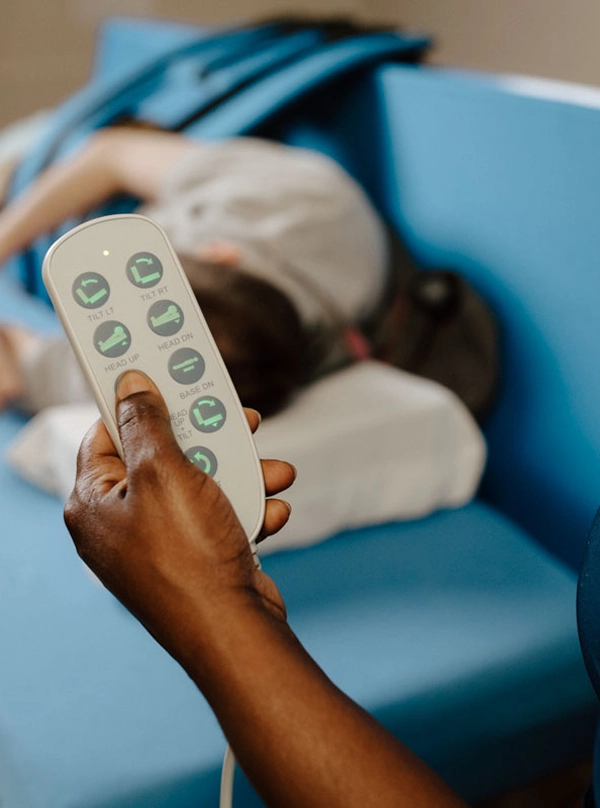
pressure injuries, improving circulation, and maintaining skin health. Caregivers can operate SideLyer’s
motorized controls to move patients smoothly and consistently, making daily care easier while ensuring comfort
and protection against tissue damage.
How do pressure ulcers/pressure sores form in immobile patients?
+
SideLyer is ideal for patients with limited or no independent mobility, providing continuous support to
maintain positions that reduce pressure on sensitive areas. Repositioning is a critical part of preventing
pressure injuries, improving circulation, and maintaining skin health. Caregivers can operate SideLyer’s
motorized controls to move patients smoothly and consistently, making daily care easier while ensuring comfort
and protection against tissue damage.
How does SideLyer support care when dead tissue is present?
+
SideLyer ensures patients remain in safe positions, allowing medical teams to work on affected areas without
repetitive manual lifting. This reduces the physical demands on caregivers while facilitating safe and
effective care, including necrotic tissue removal and close monitoring of the healing process. The system’s
stability and precision support both patient safety and treatment efficiency.
How does SideLyer help prevent pressure ulcers in high-risk patients?
+
SideLyer supports the prevention of pressure ulcers by providing reliable, controlled repositioning that
addresses the underlying causes of skin injury. Patients with limited mobility, impaired circulation, or
nutritional challenges are especially vulnerable, and SideLyer helps reduce these risks by promoting regular
movement and pressure relief. For those with spinal cord injuries, consistent use of the system can lower the
likelihood of developing pressure ulcers and stop early-stage injuries from advancing into severe sores,
helping maintain healthier skin over the long term.
How does SideLyer support pressure reduction for at-risk patients?
+
By delivering steady pressure relief, SideLyer helps protect the integrity of the skin while supporting proper
blood flow and alleviating the pain that often accompanies prolonged immobility. When integrated with
specialized support surfaces, it functions as a critical tool to prevent the development of chronic pressure
injuries, reduce infection risk, and promote effective management and healing of ongoing or persistent wounds.
How does SideLyer support daily skin care routines?
+
Caregivers and medical teams rely on SideLyer to maintain skin hygiene and dryness for patients who are
vulnerable to pressure injuries. The device facilitates precise repositioning, helping staff to detect subtle
signs of skin breakdown before serious issues arise. When combined with routine use of moisture barrier
products, SideLyer integrates smoothly into daily care routines, ensuring ongoing protection and improved
overall skin health.
Can SideLyer help manage long-term wound risks?
+
The SideLyer system effectively reduces prolonged pressure on vulnerable areas while ensuring consistent and
safe positioning for those with restricted mobility. This preventive approach minimizes the risk of chronic
pressure ulcers and creates a supportive environment that promotes the healing of existing wounds, allowing
patients to recover more comfortably and efficiently.
How did the SideLyer originate?
+
SideLyer began more than ten years ago when a night-shift nurse at Quest Inc. noticed that residents who
could not move on their own were prone to pressure injuries, and caregivers were experiencing repeated
strain from manual handling. Motivated to find a solution, she worked alongside her husband, a carpenter, to
construct the first SideLyer from wood, designing a variety of sizes to accommodate the different needs of
residents.
These initial versions were personalized with creative features such as vibrant colors, stickers,
functional trays, and storage areas, making them more engaging for users. Through years of refinement, the
concept matured into a patented, motorized system built to meet rigorous industry standards, enhancing
patient comfort, improving safety, and reducing the physical workload for caregivers.
What is Quest Inc., and how is it related to SideLyer?
+
Quest Inc. has spent over six decades providing compassionate care, secure living environments, and
tailored support for individuals with developmental disabilities. During the course of its residential
programs, the SideLyer was developed to address a critical need: preventing pressure ulcers, improving
comfort, and supporting residents’ overall well-being. The device also helps minimize the risk of caregiver
injuries associated with manual repositioning, making it an indispensable tool in daily care operations.
Quest Inc.’s decades of frontline experience continue to guide improvements in SideLyer’s design, clinical
applications, and safety protocols.
Watch our story:
What impact has SideLyer had on individuals in Ohio and their families?
+
For individuals in Ohio, consistent and precise repositioning can greatly improve comfort, reduce the
occurrence of pressure injuries, and allow greater involvement in daily and social activities. This approach
addresses both the physical and emotional well-being of those receiving care.
Family members often express relief knowing that their loved ones are protected, comfortable, and properly
supported throughout the day. One parent explained, “Most of her pressure is not where she can have a skin
breakdown. It takes the pressure off the body.” Experiences like this provide confidence that the caregiving
approach is both safe and compassionate.
Caregivers have also reported that injuries initially expected to take a long time to heal often mend much
sooner due to vigilant and structured repositioning practices. These observations underscore the critical
value of systematic care for residents with limited mobility.