How do we get started with SideLyer?
+
Families and facilities in Pennsylvania can start by booking a virtual demo with our team.
During the session, you will observe SideLyer in action and have the opportunity to ask questions about its
role in supporting patient care.
After the demo, you can choose a 90-day free trial to see how SideLyer can fit into your daily routines and
improve the safety, comfort, and engagement of patients.
Is SideLyer covered by insurance?
+
SideLyer is often accessible through insurance for eligible individuals, though coverage can vary based on the
policy and specific requirements. With insurance, the retail price is $11,000, while purchasing without
coverage brings the cost to $6,900. Our dedicated team helps families understand their options, review
coverage details, and assess what the final expense may be based on their unique situation, ensuring clarity
and informed decision-making.
Can our health facility in Pennsylvania rent SideLyer instead of purchasing it?
+
Yes, SideLyer is available as a rental option for individuals or families in Pennsylvania who may prefer not
to purchase the system outright. This rental arrangement provides full access to all features of the SideLyer
system while requiring a monthly payment of $550 and a minimum commitment period of 13 months, offering
flexibility and convenience for those exploring long-term care solutions.
When should we use SideLyer in a care plan?
+
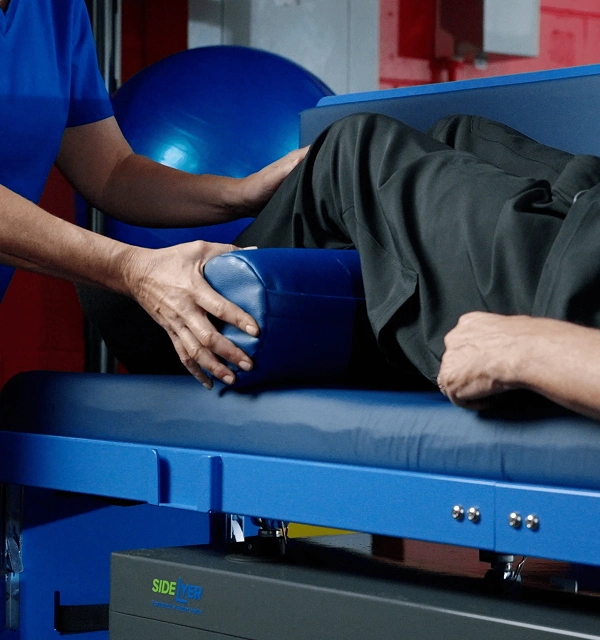
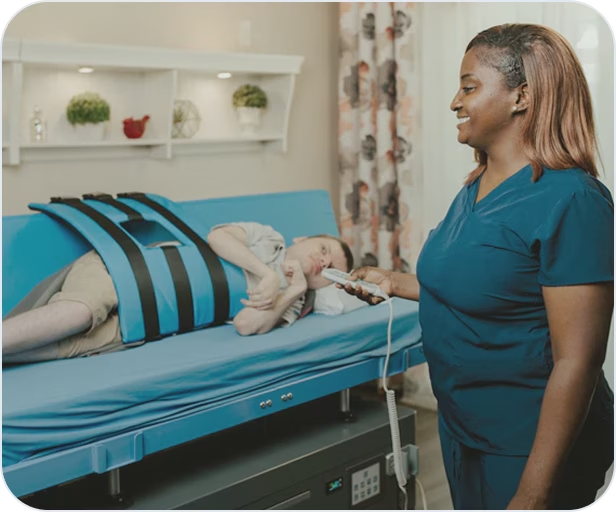
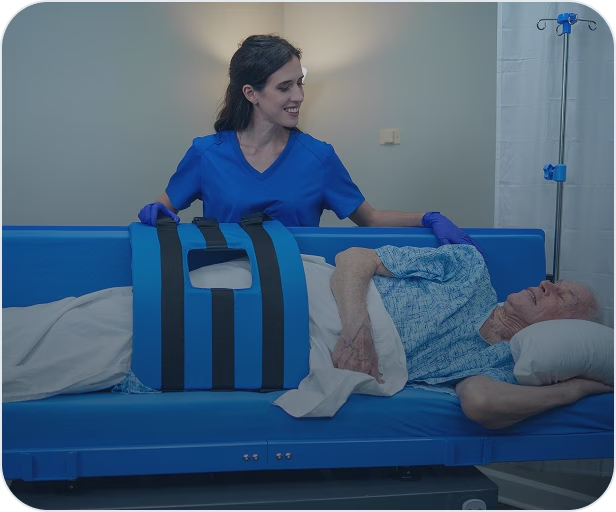
SideLyer is frequently used for patients who cannot move independently or require continuous support to remain
in safe positions that relieve pressure throughout the day. Repositioning is an important component of many
care plans because it protects vulnerable areas, improves circulation, and helps prevent pressure-related
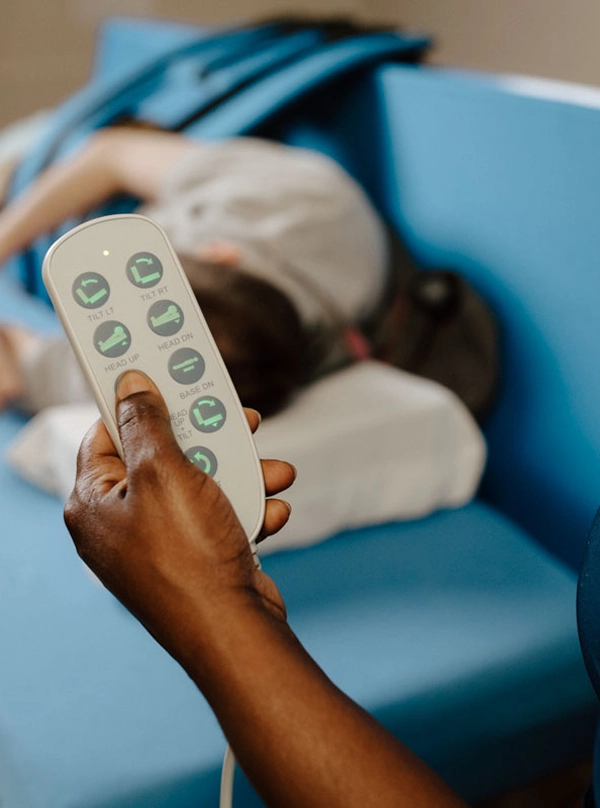
injuries. By providing simple, motorized controls, SideLyer allows caregivers to adjust patient positions with
ease, promoting comfort while supporting skin protection and the completion of daily care tasks.
How do pressure ulcers/pressure sores form in immobile patients?
+
Pressure sores tend to develop slowly as multiple physical factors interact over time. Reduced mobility,
prolonged exposure to moisture, friction against surfaces, and delicate or fragile skin all contribute to an
increased risk of injury. These wounds may begin as small areas of redness or irritation, but if pressure
continues on the same spot, they can worsen and lead to more serious complications. Families and healthcare
professionals emphasize the importance of regular repositioning and the use of supportive surfaces to protect
skin and reduce the likelihood of developing bed sores.
How does SideLyer support care when dead tissue is present?
+
SideLyer helps maintain ideal positioning so that healthcare providers can reach affected areas without
frequent manual turns or lifts. This enhanced support not only reduces physical strain on caregivers but also
ensures safer pressure ulcer management while teams perform necessary interventions such as removing necrotic
tissue and closely monitoring the wound’s healing process.
How does SideLyer help prevent pressure ulcers in high-risk patients?
+
SideLyer plays a critical role in preventing pressure ulcers by enabling consistent and controlled
repositioning, which reduces the conditions that typically lead to skin breakdown. It addresses common risk
factors, including limited mobility, impaired circulation, and poor nutrition. For individuals with spinal
cord injuries, regular use of SideLyer can significantly lower the likelihood of developing pressure ulcers
and helps prevent their progression into severe or decubitus ulcers, supporting better long-term skin health.
How does SideLyer support pressure reduction for at-risk patients?
+
SideLyer ensures steady and consistent relief from external pressure, which helps protect skin integrity,
supports healthy blood flow, and alleviates pain associated with immobility. When paired with carefully
selected support surfaces, it serves as an effective tool to prevent chronic pressure ulcers, limit the risk
of infection, and aid in the management and healing of long-term wounds.
How does SideLyer support daily skin care routines?
+
SideLyer assists caregivers and healthcare staff in maintaining clean, dry skin for individuals at risk of
pressure injuries. By supporting regular repositioning and proper positioning, it also makes it easier to
monitor subtle changes in skin color or texture. The system integrates seamlessly into care plans that include
moisture barrier creams, providing consistent support for effective wound prevention and optimal skin health.
Can SideLyer help manage long-term wound risks?
+
Yes, the SideLyer system is effective in reducing pressure and maintaining consistent positioning for
individuals who are immobile or have limited mobility. This approach helps prevent the development of chronic
pressure ulcers and supports improved recovery and healing for persistent wounds over time.
How did the SideLyer originate?
+
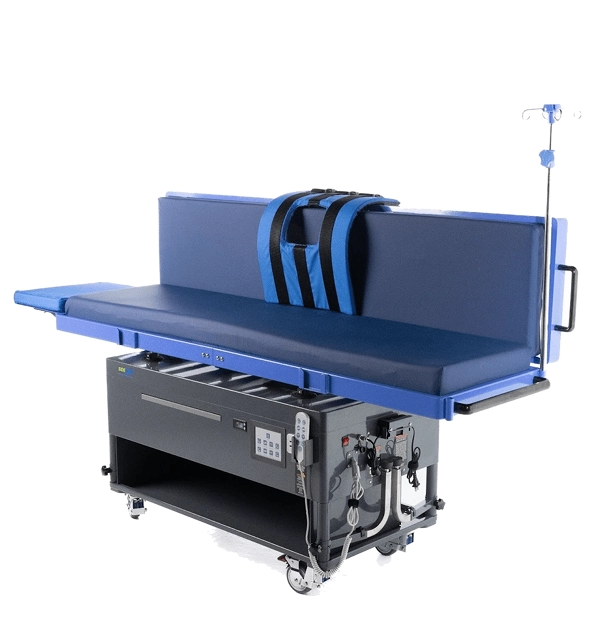
The SideLyer’s origins trace back over ten years when a night-shift nurse at Quest Inc. observed that
residents who could not move independently were at risk for pressure injuries, and caregivers were being
injured through repetitive manual lifting. To address this challenge, she collaborated with her husband, a
carpenter, to handcraft the first SideLyer from wood, designing multiple sizes to meet the unique needs of
residents.
These original models were customized with personal touches such as colors, stickers, trays, and storage
features, creating a device that was both functional and engaging for residents. Over time, this early
concept developed into a patented motorized system built to industry standards, enhancing safety, comfort,
and engagement while reducing physical demands on caregivers.
What is Quest Inc., and how is it related to SideLyer?
+
Quest Inc. has spent more than six decades providing safe homes, personalized care, and comprehensive
support for individuals with developmental disabilities. Within its residential care program, the SideLyer
was developed as a practical solution to prevent pressure ulcers, enhance comfort, and improve the overall
quality of life for residents. By reducing the risk of caregiver injuries during repositioning, SideLyer has
become an essential tool in everyday care. Today, Quest Inc. continues to play a vital role as a partner,
offering decades of frontline experience that directly influence the device’s design, safety protocols, and
clinical applications.
Watch our story:
What impact has SideLyer had on individuals in Pennsylvania and their families?
+
Individuals in Pennsylvania who benefit from careful, consistent repositioning experience enhanced comfort,
fewer pressure wounds, and greater engagement in social and daily activities. This attentive approach
supports both physical health and overall quality of life for those receiving care.
Families often report relief knowing their loved ones are safer, more comfortable, and positioned correctly
throughout the day. A Quest Inc. parent explained, “Most of her pressure is not where she can have a skin
breakdown. It takes the pressure off the body.” Such accounts provide reassurance that the care approach is
both effective and compassionate.
Other caregivers noted that wounds initially expected to take “months and months” to heal recovered much
faster due to consistent and proactive repositioning. These observations reinforce the value of structured,
attentive care for individuals with mobility challenges.