How do we get started with SideLyer?
+
Allentown families start with a virtual demo held from wherever they are. Our team operates the system on camera while you watch and answer questions about your loved one's care and your available space. A 90-day free trial follows the session, giving you the chance to see how the system works within your routine before making any decision.
Is SideLyer covered by insurance?
+
It may be, subject to eligibility. Retail pricing is $11,000 with insurance coverage and $6,900 without. Because these determinations depend heavily on individual circumstances, our team walks families through the available options and helps establish what the final cost would actually be.
Can families in Allentown rent SideLyer instead of purchasing it?
+
Yes. Rental costs $550 monthly and requires a minimum term of 13 months. This is the practical option for families who would rather not buy outright, or who are managing a recovery whose length is not yet known.
When should we use SideLyer in a care plan?
+
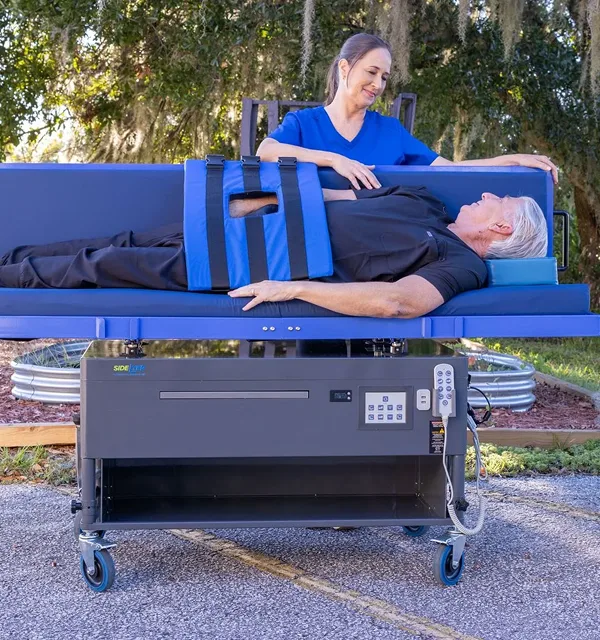
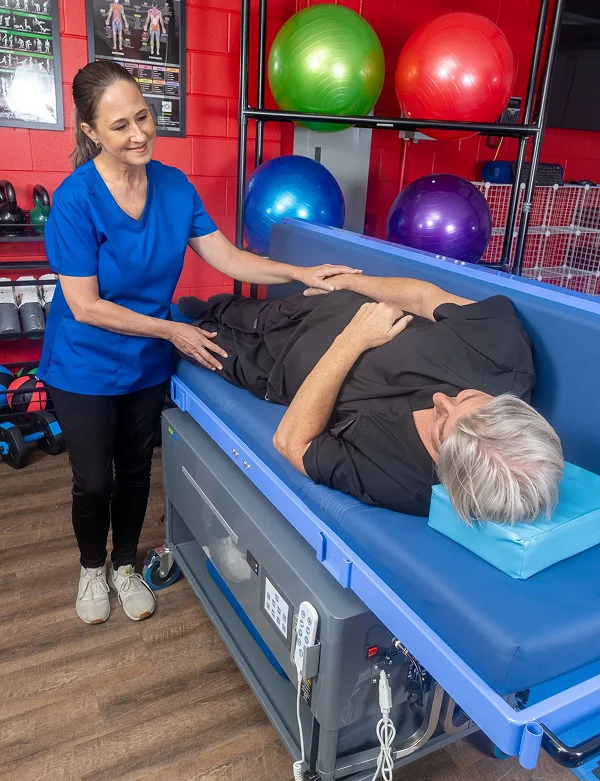
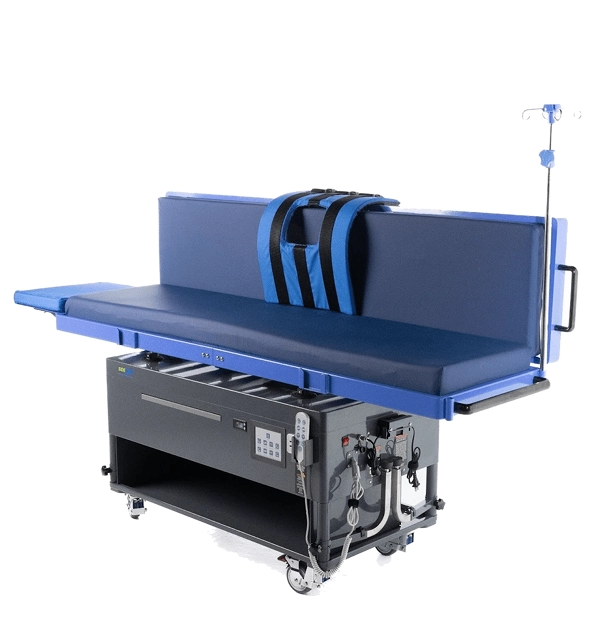
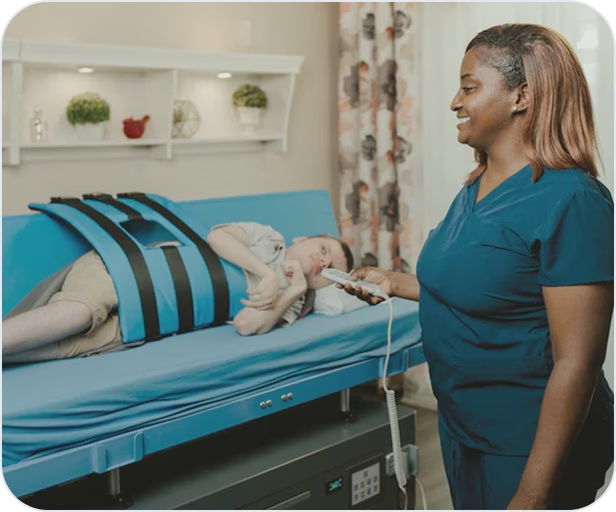
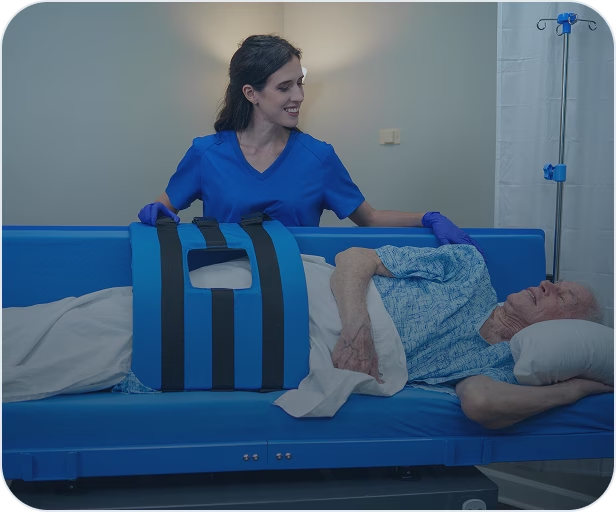
It has a role whenever a person cannot move independently or needs consistent help to hold a safe position. Repositioning appears in most care routines because it protects vulnerable areas from prolonged pressure and keeps circulation moving through them. Motorized adjustment allows the caregiver to make those changes as often as the plan requires, which is the piece that erodes when every change costs physical effort.
How do pressure ulcers/pressure sores form in immobile patients?
+
The process is gradual and involves several factors working together. Immobility supplies the constant pressure, and where that pressure falls on a bony area, it squeezes shut the blood vessels feeding the tissue between bone and skin. Moisture from perspiration or incontinence weakens the skin. Friction and shear damage tissue when someone slides down in bed. Thin skin, poor nutrition, and diminished sensation each reduce tolerance further. A minor injury can turn serious if pressure on the area is never relieved.
What happens if an open sore develops on the skin?
+
The objective becomes protecting the area while supporting the body's own healing. That means wound care under clinical direction, keeping the site clean and appropriately dry, and ensuring neither the wound nor the healthy skin beside it carries weight. At this point repositioning is no longer preventive but part of the treatment, since a wound left under pressure will not close.
Can pressure ulcers become life-threatening if they are not treated?
+
Severe pressure injuries can extend into the tissue well below the skin surface. As a wound worsens, dead tissue may appear, which slows healing and increases the likelihood of complications, infection among them. Treatment then requires clinical involvement, sometimes including removal of necrotic tissue along with close monitoring over time. Preventive care avoids the situation, which is the reason to act early rather than respond later.
How does pressure relief help prevent infection and skin damage?
+
Taking pressure off an area allows circulation to return, and that circulation is what enables skin to keep functioning as a barrier. Regular position changes serve a second purpose as well, since each one gives the caregiver a clear look at skin that stays covered the rest of the time. Problems get identified while they are still minor. Consistent positioning support preserves fragile skin and allows the body to recover before serious injury develops.
What happens if dead tissue develops in a pressure wound?
+
Its appearance means the area has been under continuous pressure with insufficient circulation to sustain it. Care focuses on protecting the nearby skin, supporting the wound as it recovers, and adjusting positioning so the affected site carries no weight. Keeping pressure off other vulnerable areas at the same time reduces the chance of additional wounds forming during the healing period. SideLyer helps caregivers reposition safely and reliably, which decreases the likelihood of bed sores developing at all.
How did the SideLyer originate?
+
The SideLyer was created more than a decade ago after a night-shift nurse at Quest Inc. recognized a problem on both sides of care. Residents who could not reposition themselves were developing preventable pressure injuries, and the caregivers lifting them were suffering physical strain and injuries of their own. With help from her husband, a carpenter, she built the first unit out of wood, making it in several sizes so each resident had one that fit properly. Those early prototypes were personalized with colors, stickers, trays, and storage, and they became a trusted tool for safety, comfort, and engagement. The concept later became the patented motorized system in use today.
What is Quest Inc., and how is it related to SideLyer?
+
Quest Inc. is a nonprofit with more than 60 years of experience providing homes, care, and support for individuals with developmental disabilities. SideLyer was developed within Quest Inc.'s residential care program to address pressure ulcers, improve comfort and quality of life, and reduce caregiver injuries. Quest Inc. remains a key partner, contributing decades of practical experience that continue to shape the system's design, safety features, and clinical purpose.
Watch our story:
What impact has SideLyer had on individuals in Allentown and their families?
+
Families across Allentown and the Lehigh Valley have noted better comfort, fewer pressure-related injuries, and stronger social engagement from the person in their care. Many describe the relief of knowing their family member is safer and properly supported throughout each day.
As one Quest Inc. parent shared, "Most of her pressure is not where she can have a skin breakdown. It takes the pressure off the body."
Several families have also reported that wounds expected to take months to heal improved in a fraction of that time once repositioning became consistent.