Bed Sore Treatment & Prevention in Erie

Call Now
Explore Features of the SideLyer

Protect Your Loved Ones in Erie from Bed Sores with SideLyer

Bed sores are wounds that stillness makes. When a person cannot shift their own weight, the same few square inches of skin over the tailbone, hip, or heel carry the load hour after hour, and the damage starts in the deep tissue where nobody can see it. By the time the skin shows a change, the injury underneath may already be well along.

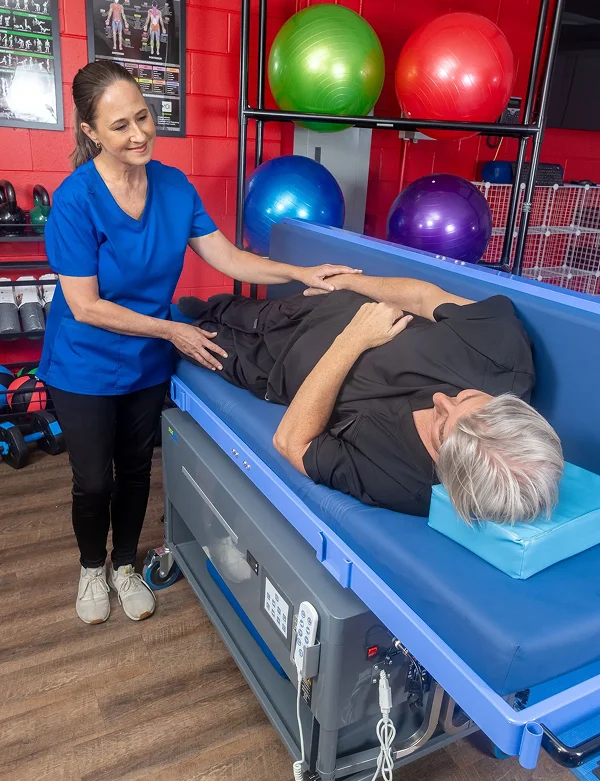
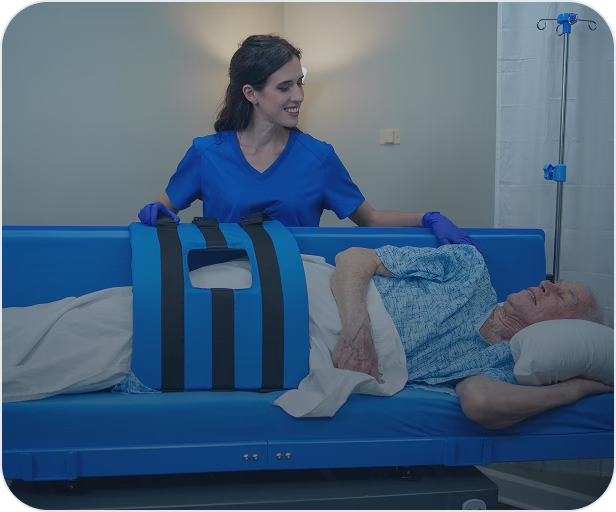
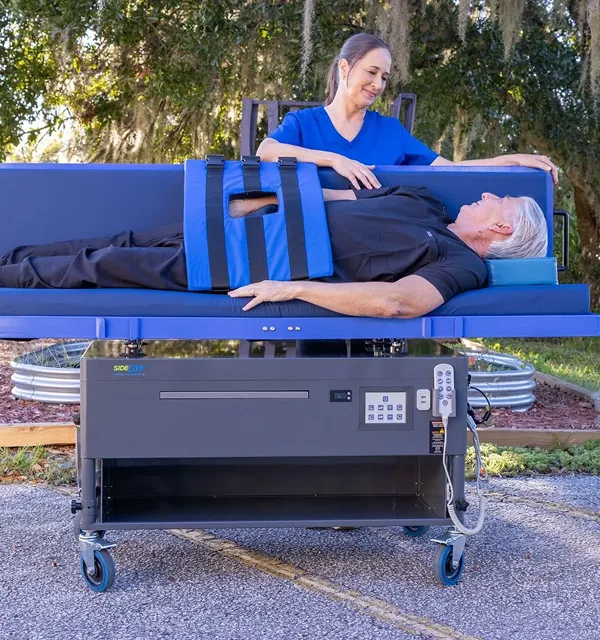
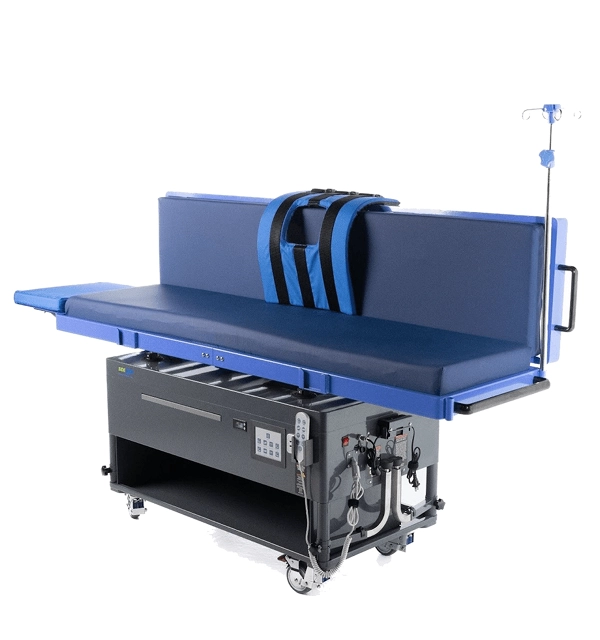
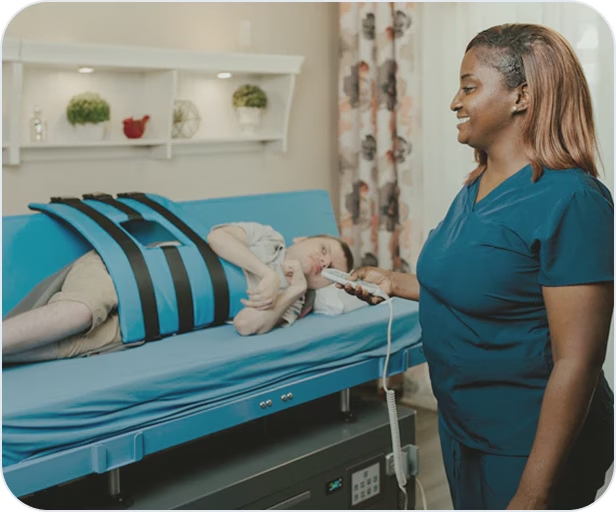
‍SideLyer breaks that pattern. A motor moves the body to a new angle whenever the caregiver chooses, blood returns to the tissue that was under load, and the skin over the hips and lower back gets a rest. The same motion lifts the person upright, so they are looking at the room and the people in it rather than at the ceiling.

Contact Us

10× Fewer Bed Sores in Immobile Patients

Press a bony point of the body against a mattress for long enough and the small blood vessels in the tissue between bone and skin pinch shut. Without circulation, that tissue begins to die. SideLyer holds the body at angles that move the load to other areas and let blood flow back in before the harm becomes permanent. People using the system develop bed sores up to ten times less often, and that means no wound, no months of dressings, and no long recovery in a winter when getting to appointments is already hard.
Contact Us
Explore Features of the SideLyer

How it Works

Explore Features of the SideLyer

Advantages of SideLyer

Ninety-three percent of healthcare providers recommend SideLyer for patients at risk of bed sores, and the reasons are practical:

 Precise angles that ease pressure, support circulation, and keep skin intact
Turns that happen on a dependable schedule, which is what prevention depends on
Elevated positioning that puts the person at eye level with whoever is caring for them
Motorized movement at the touch of a button, with no lifting by hand
Surfaces that wipe clean and stand up to everyday use
  Enough angles to cover therapy sessions, activities, and normal daily routines
  A design that keeps the person part of the household rather than off to the side
Contact Us

Who Can Benefit From SideLyer in Erie?

Someone you care for in Erie may benefit from SideLyer if they:

    Are healing at home after an operation or an injury
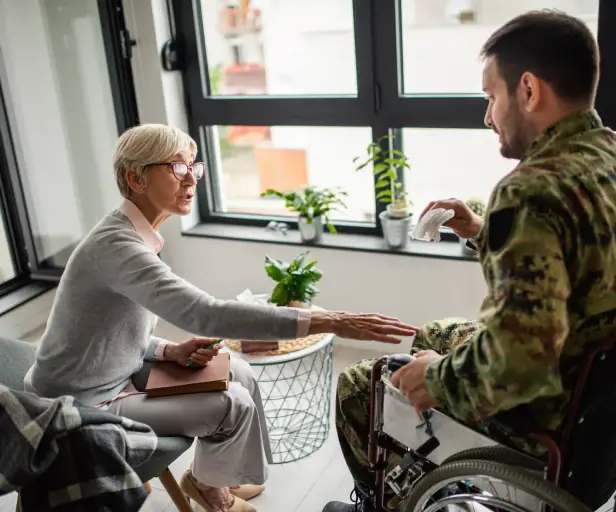
Live with a lasting mobility condition such as ALS, MS, or a spinal cord injury
 Face a real risk of bed sores or skin breakdown

Family caregivers and home health aides are looking for a safer way to move the people they help get the same value from it. Erie County has a lot of families keeping an aging parent at home, often in a house at the end of a long driveway in Harborcreek or Girard, and when lake-effect snow closes the roads for a day or two, there is no one coming to help with the turning. Every bit of that work lands on relatives who were never trained for it.

Schedule a Demo

who-can-benefit-from-sidelyer
Explore Features of the SideLyer

Why Families in Erie Choose SideLyer to Prevent Bed Sores

What families want from home care is not complicated. They want their relatives safe, comfortable, and treated with dignity, and repositioning has more to do with all three than most people realize before they take it on. The problem is physical. Rolling an adult every two hours around the clock is beyond what one person, or even two, can sustain for months on end.

Caregivers using SideLyer can:

   Turn their loved one with a motorized control instead of their back
  Follow the same pressure ulcer prevention practice that hospitals rely on
Protect circulation and skin through exact, repeatable positioning
Stay on a repositioning schedule without lining up a helper each time
  Cut their own risk of strain and injury
Handle alone what used to take two sets of hands
 Keep their relative involved in family life all day

For an Erie household where the main caregiver also works a shift at the hospital or the plant, being able to do a full turn alone in under a minute is often the difference between keeping someone at home and having to give that up.

Contact Us
Our Mission

We exist to reduce pressure ulcers in people who cannot move themselves and to protect the caregivers who move them. That means working alongside families and healthcare facilities to stop the pressure injuries that never had to happen and to take the injury risk out of manual repositioning. Motorized repositioning eases the strain on caregivers, makes daily care faster, and gives people who cannot reposition themselves more dignity and more independence than they would otherwise have.

Schedule A Demo

Frequently Asked Questions

How do we get started with SideLyer? +

A virtual demo, run by our team while you sit at home in Erie. You watch the system move through every position and ask whatever you need to, including whether it will fit the bedroom or front room you have in mind. After that comes a 90-day free trial, so the decision rests on how it works in your own routine and not on a demonstration.

Is SideLyer covered by insurance? +
Frequently, though it depends on eligibility. The retail price is $11,000 with insurance coverage and $6,900 without. Since every family’s coverage is different, our team goes through the options with you and works out what the actual cost would be.
Is renting an option for families in Erie? +
Yes. Rental runs $550 a month with a 13-month minimum. Families dealing with a recovery of unknown length, or who would rather not buy outright, usually find renting the more practical route.
At what point does SideLyer belong in a care plan? +
Whenever a person cannot change position on their own, or needs steady help holding a safe one. Repositioning is part of nearly every sound care routine because it keeps prolonged pressure off vulnerable spots and lets blood reach them. With a motorized control, the caregiver can make each adjustment exactly when the plan says to, which is the step that slips when the turning is done by hand.
Why do people who can’t move develop pressure sores? +
Because the damage starts underneath. When body weight presses down on a bony area, the tissue between the bone and the skin is squeezed and the blood vessels inside it close. Deep tissue starved of oxygen fails first, so the surface may show only a faint red patch while a wound is forming below. Dampness, friction from sliding down the bed, thin skin, and reduced sensation all speed the process. A small injury becomes a serious one when the pressure that caused it is never taken away.
What should we do once a sore has opened? +
Protect the site and let the body heal it. That means wound care under a clinician’s direction, keeping the area clean and appropriately dry, and making sure that neither the wound nor the healthy skin around it carries weight. Repositioning becomes part of the treatment from then on, because a wound that stays under pressure cannot get the conditions it needs to close.
Can an untreated pressure ulcer become dangerous? +
It can. A severe injury reaches past the skin into deeper tissue, where dead tissue can form, healing slows sharply, and infection becomes a real risk. At that point clinical care is required, sometimes including removal of dead tissue and ongoing monitoring. Nearly all of it is preventable with consistent pressure relief, which is why the effort is far better spent on prevention than on treatment.
How does relieving pressure protect against infection? +
When pressure comes off, blood flows back into tissue that had been cut off, and that circulation is what allows skin to work as a barrier against bacteria. Each turn also lets the caregiver see skin that is normally hidden, which is how early redness gets caught while it can still fade on its own. Reliable positioning support protects fragile skin and gives the body a chance to recover.
What does it mean when tissue in a wound has died? +

It means the area went too long under pressure with too little blood to keep it alive. Care then focuses on protecting the skin around the wound, supporting healing, and positioning the person so the affected spot bears no weight. Keeping the other vulnerable areas pressure-free during recovery stops new wounds from starting while the first one heals. SideLyer lets caregivers reposition safely and consistently, which lowers the odds of a bed sore forming in the first place.

Where did the SideLyer come from? +

From a night shift, more than ten years ago. A nurse at Quest Inc. noticed that residents who could not reposition themselves were developing pressure injuries that should have been avoidable, and that the staff lifting them were getting hurt. With her husband, a carpenter, she built the first SideLyer out of wood, in several sizes so each resident had one that fit. Those early versions were decorated with colors and stickers and fitted with trays and storage, and they became part of everyday care. The patented motorized system sold today grew out of that idea.

What is Quest Inc., and how is it related to SideLyer? +

Quest Inc. is a nonprofit with more than 60 years of experience providing homes, care, and support to people with developmental disabilities. SideLyer was born inside its residential care program as a way to prevent pressure ulcers, improve comfort and quality of life, and cut down on caregiver injuries. Quest Inc. is still a key partner, and its decades of direct care experience continue to guide the system’s design, safety features, and clinical purpose.

Watch our story:

What have Erie families noticed after using SideLyer? +

Families across Erie County describe more comfort, fewer pressure injuries, and a relative who is more present and engaged. What comes up again and again is relief: knowing the person they care for is properly supported all day, not just during the moments when someone is free to help.

As one Quest Inc. parent shared, “Most of her pressure is not where she can have a skin breakdown. It takes the pressure off the body.”

A number of families have also told us about wounds they were warned would take months to close, healing in far less time once repositioning became consistent.