
Bed Sore Treatment & Prevention in Philadelphia
Call Now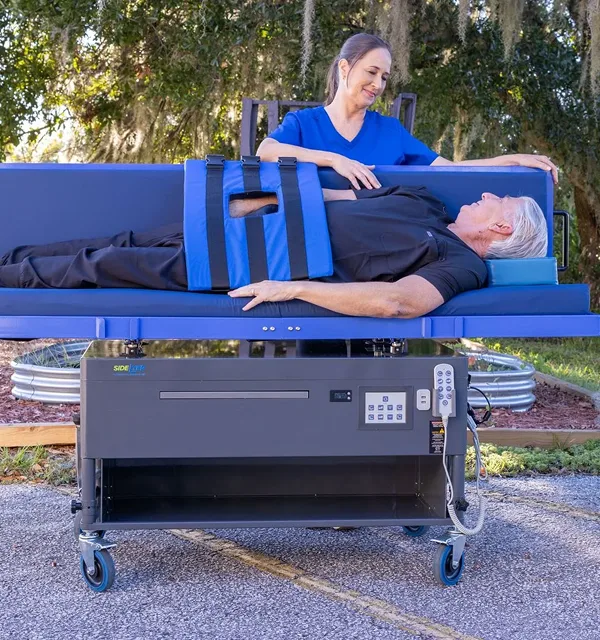
Protect Your Loved Ones in Philadelphia from Bed Sores with SideLyer
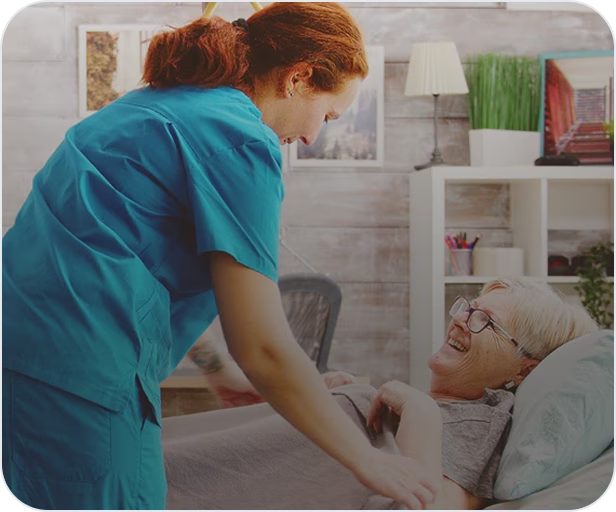
The hardest part of preventing a pressure ulcer is that the person most at risk usually cannot tell you it is starting. Someone who cannot shift their own weight, and who may also have difficulty speaking, has no way to report the ache that would otherwise prompt a position change. By the time the skin shows it, the injury has been underway for some time.
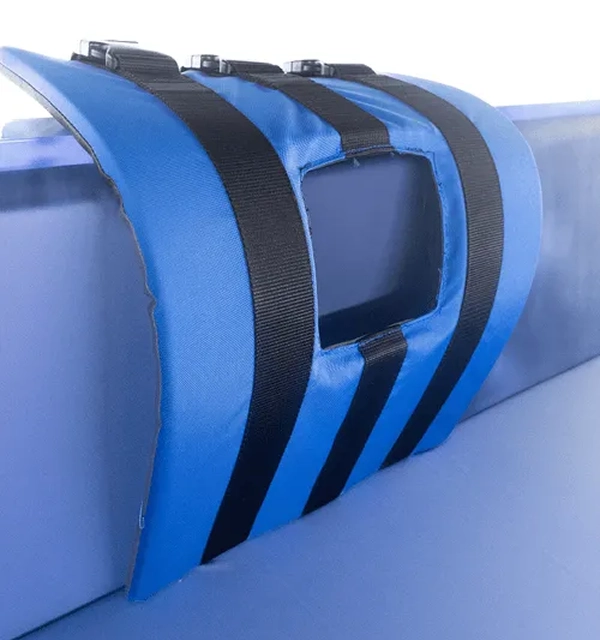
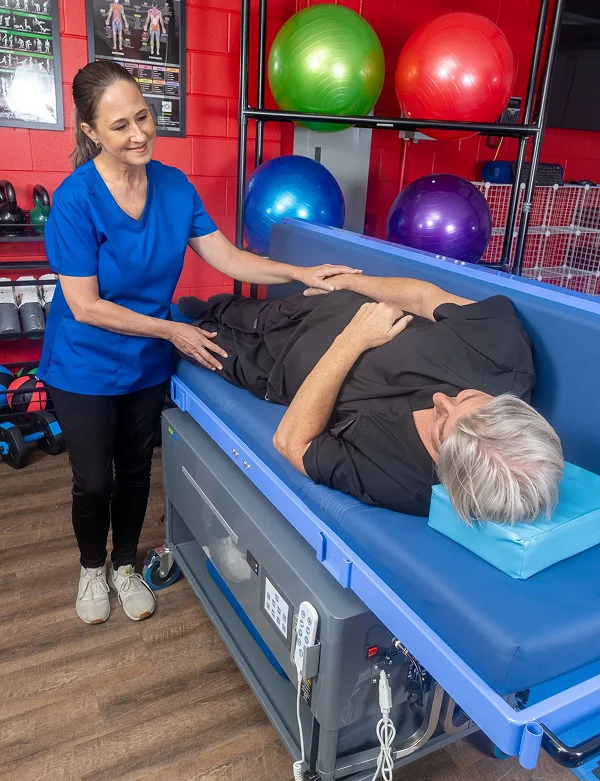
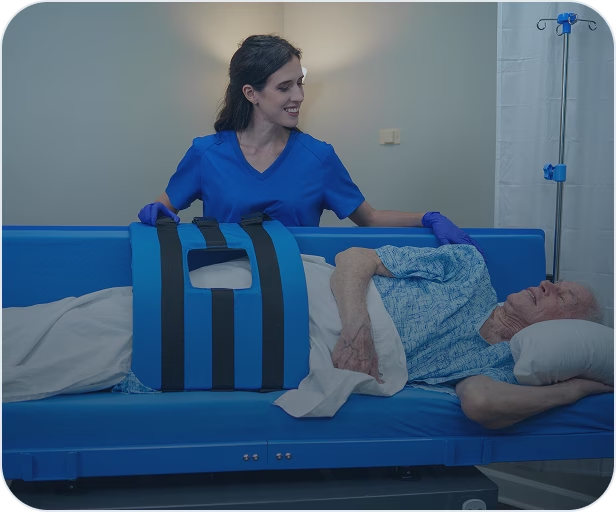
SideLyer gives the caregiver a way to stay ahead of that. A motorized control changes the angle of support whenever the schedule calls for it, which returns blood flow to compressed areas, keeps skin intact over the hips and lower back, and allows the person to sit up and take part in what is happening around them.
10× Fewer Bed Sores in Immobile Patients
Constant pressure against a bony area restricts the circulation that keeps skin and underlying tissue alive. Left in place long enough, that tissue begins to fail. SideLyer works against this by holding the body at controlled angles that redistribute weight and let circulation return before damage sets in. Patients using the system develop bed sores as much as ten times less frequently, avoiding both the wound itself and the extended recovery that ordinarily follows.
How it Works
Advantages of SideLyer
There is a reason 93% of healthcare providers recommend SideLyer for patients vulnerable to bed sores. Its benefits include:
Who Can Benefit From SideLyer in Philadelphia?
Your loved one in Philadelphia may benefit from SideLyer if they:
Family caregivers and home health aides who need a safer approach to repositioning will benefit as well. Philadelphia households often manage care in rowhouses where bedrooms are compact and stairs are narrow, and a system that lets one person handle repositioning in a small room solves a problem that additional help cannot.
Schedule a Demo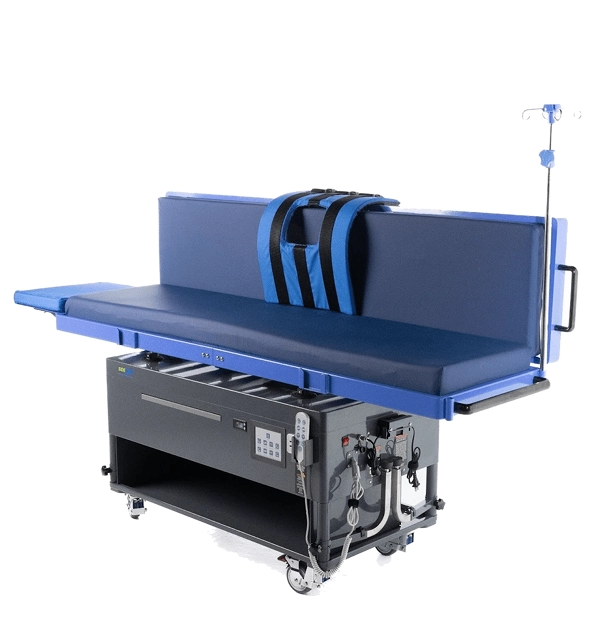

Why Families in Philadelphia Choose SideLyer to Prevent Bed Sores
What families want is straightforward: safety, comfort, and dignity for the person they are caring for. Repositioning affects all three, and the difficulty is that doing it correctly every two hours, around the clock, exceeds what most households can sustain by hand.
Caregivers using SideLyer can:
For multigenerational Philadelphia households where care is shared among working family members at different hours, a system anyone can operate correctly matters more than one that requires a trained technique.
Contact Us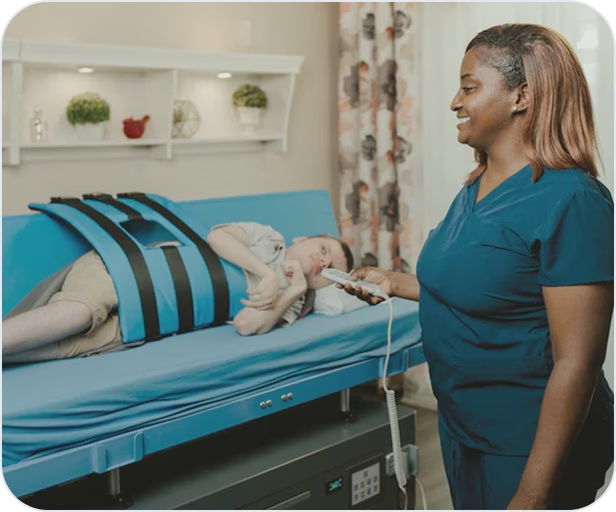
Our Mission
Our mission is to reduce pressure ulcers among people with limited mobility while protecting the caregivers responsible for them. We work with families and healthcare facilities to prevent avoidable pressure injuries and to lower the rate of injury caused by manual repositioning. Motorized repositioning technology reduces physical strain, improves how efficiently care can be delivered, and supports dignity and independence for people who cannot change position on their own.
Schedule A Demo