Bed Sore Treatment & Prevention in Pittsburgh

Call Now
Explore Features of the SideLyer

Protect Your Loved Ones in Pittsburgh from Bed Sores with SideLyer

Pressure ulcers are among the few serious injuries that develop entirely from inactivity. A person who cannot shift position on their own accumulates damage in the same few square inches hour after hour, and if that person also cannot communicate discomfort, the family has no signal until the skin itself gives way.

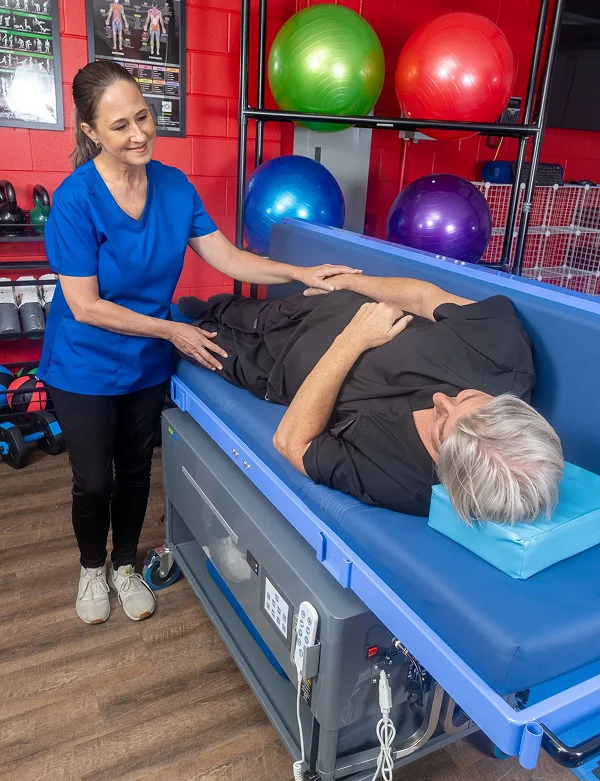
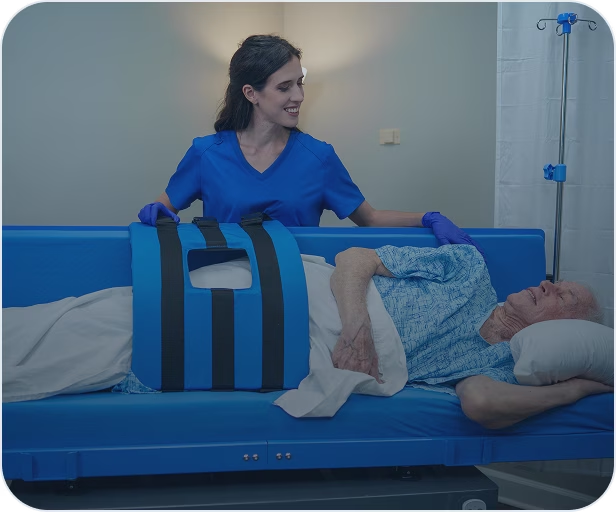
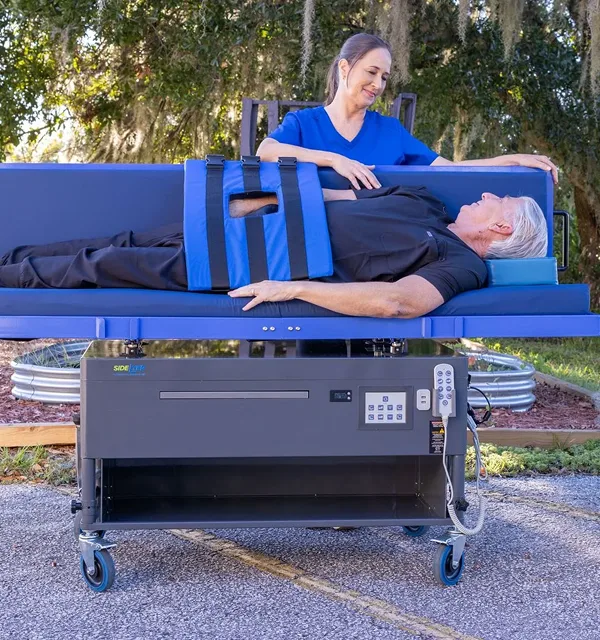
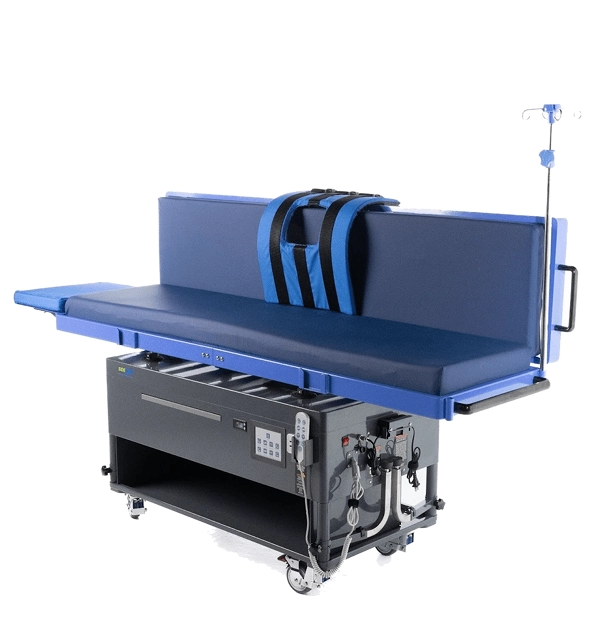
SideLyer changes the arithmetic. Motorized adjustment moves the body to a new angle whenever the schedule calls for it, restoring blood flow to areas that were bearing load, protecting the skin over the sacrum and hips, and raising the person upright so they can take part in the day rather than watch it from flat on their back.

Schedule a Demo

10× Fewer Bed Sores in Immobile Patients

The mechanism is circulatory. Weight pressed against a bony area collapses the small vessels feeding the tissue above it, and tissue without blood supply begins to die within hours. SideLyer counters this by supporting the body at angles that shift the load elsewhere and allow circulation to return. Patients using the system develop bed sores up to ten times less often, which means avoiding not only the wound but the long, difficult recovery that comes with it. 
Schedule a Demo
Explore Features of the SideLyer

How it Works

Explore Features of the SideLyer

Advantages of SideLyer

There is a reason 93% of healthcare providers recommend SideLyer for patients vulnerable to bed sores. Its benefits include:

Controlled angling that improves comfort, aids circulation, and keeps skin intact
Repositioning at reliable intervals, which is the factor prevention actually turns on
Elevated positioning that brings the person up to the level of everyone else in the room
Motorized adjustment from a control, eliminating the manual lift
Surfaces that clean quickly and stand up to everyday use
A working range of angles for therapy, activities, and ordinary routines
Support for engagement, so the person remains present in the household
Contact Us

Who Can Benefit From SideLyer in Pittsburgh?

Your loved one in Pittsburgh may benefit from SideLyer if they:

Are recovering at home following surgery or an injury
Live with a long-term mobility condition such as ALS, MS, or a spinal cord injury
Are at risk of bed sores or skin breakdown

Family caregivers and home health providers seeking a safer method of repositioning will find it valuable as well. Around Pittsburgh, a great many family caregivers are adult children who stayed in the area, often caring for a parent whose working life was physically demanding and whose mobility declined earlier as a result.

Schedule a Demo

who-can-benefit-from-sidelyer
Explore Features of the SideLyer

Why Families in Pittsburgh Choose SideLyer to Prevent Bed Sores

Families want three things for the person they are caring for: safety, comfort, and dignity. Repositioning is where all three are won or lost, and the honest problem is that turning someone by hand every two hours, indefinitely, is beyond what one person can sustain.

Caregivers using SideLyer can:

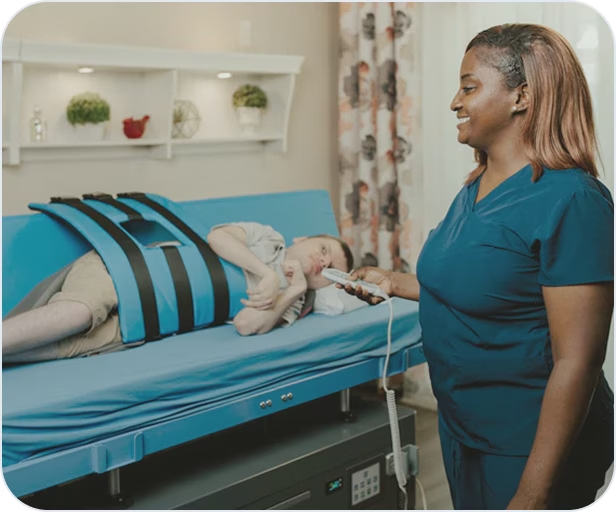
Reposition through a motorized control rather than lifting
Bring the standard of pressure ulcer prevention used in hospitals into the house
Support circulation and skin health with accurate positioning
Maintain the repositioning schedule without waiting for a second person
Reduce their own risk of the back injuries that end caregiving arrangements
Handle alone what would otherwise require two
Keep their loved one part of the conversation instead of apart from it

That last point carries weight through a Pittsburgh winter, when months pass with the household indoors and the difference between sitting up among family and lying flat in a back bedroom is the difference between participating and waiting.

Contact Us
Our Mission

Our mission is to reduce pressure ulcers in people with limited mobility while protecting the health and safety of their caregivers. We help families and healthcare facilities prevent pressure injuries that did not have to happen, and we work to lower the rate of caregiver injury caused by manual repositioning. Motorized repositioning technology eases physical strain, improves how care gets delivered, and supports dignity and independence for people who cannot reposition themselves. 

Schedule A Demo

Frequently Asked Questions

How do we get started with SideLyer? +

The first step is a virtual demo, which our team runs with you from wherever you are. You will see how the system operates and can ask what it would mean for your loved one's care, including questions about room dimensions and access. Following the demo, a 90-day free trial is available so you can determine how it fits your daily routine before committing to anything.

Is SideLyer covered by insurance? +
In many cases, subject to eligibility. Retail pricing is $11,000 with insurance coverage and $6,900 without. Because coverage varies considerably by program and situation, our team helps families work through the options and arrive at a realistic figure for what they would pay.
Can families in Philadelphia rent SideLyer instead of purchasing it? +
Yes. The rental fee is $550 monthly with a minimum term of 13 months. This suits families managing a recovery of uncertain duration, or those who would rather not commit capital to equipment whose long-term need is not yet clear.
When should we use SideLyer in a care plan? +
Whenever a person cannot reposition independently, or needs assistance to stay in a safe position, the system has a role. Repositioning is a standing element of most care plans because it keeps sustained pressure off the areas most likely to break down and keeps circulation moving. Motorized control means those adjustments can happen as frequently as the plan specifies rather than as often as someone has the strength to manage.
How do pressure ulcers/pressure sores form in immobile patients? +
They develop through a combination of factors rather than a single cause. Immobility is the central one, since body weight held against a bony prominence squeezes shut the vessels supplying that tissue. Moisture from perspiration or incontinence weakens the skin's protective barrier. Friction and shear damage tissue when a person slides in the bed. Fragile skin, poor nutrition, and reduced sensation each lower the threshold further. A small area of redness can progress into a serious wound if the pressure causing it is never relieved.
What happens if an open sore develops on the skin? +
The focus shifts to protecting the site while the body attempts to heal. That involves wound care under clinical direction, keeping the area clean and dry, and ensuring neither the wound nor the healthy skin around it bears weight. Offloading is not optional at this point. A wound that continues to carry pressure will not close regardless of how well the dressing is managed.
Can pressure ulcers become life-threatening if they are not treated? +
Advanced pressure injuries can reach the tissue well beneath the skin, and at that depth the risks change in kind rather than degree. Dead tissue may form, healing slows substantially, and the likelihood of infection rises. Clinical treatment at that stage can involve removing necrotic tissue and monitoring closely over an extended period. These outcomes are largely preventable, which is the argument for consistent repositioning from the beginning.
How does pressure relief help prevent infection and skin damage? +
When pressure comes off an area, circulation returns to tissue that was deprived of it, and healthy circulation is what allows skin to function as a barrier against infection. Scheduled position changes have a second benefit that is easy to overlook: each one gives the caregiver a clear view of skin that is otherwise covered. Problems get noticed at the stage when they are still reversible.
What happens if dead tissue develops in a pressure wound? +

Its presence means an area has gone too long under pressure with inadequate blood flow. Care centers on protecting the skin surrounding the wound, supporting recovery, and repositioning so the affected site carries no load at all. Keeping pressure off other vulnerable areas at the same time prevents new wounds from opening while the existing one heals. SideLyer supports caregivers in repositioning safely and consistently, which reduces the chance of bed sores forming in the first place.

How did the SideLyer originate? +

It began over a decade ago with a night-shift nurse at Quest Inc. who saw two problems at once. Residents unable to reposition themselves were developing pressure injuries that should have been preventable, and the caregivers lifting them were sustaining injuries of their own. Working with her husband, a carpenter, she built the first SideLyer from wood in a range of sizes so each resident had one that fit. The early units were customized with colors, stickers, trays, and storage, and they became a fixture in daily care. That concept developed into the patented motorized system in use today.

What is Quest Inc., and how is it related to SideLyer? +

Quest Inc. is a nonprofit organization with more than 60 years of experience providing homes, care, and support to individuals with developmental disabilities. SideLyer originated within its residential care program as a response to pressure ulcers, caregiver injuries, and quality of life for residents. Quest Inc. remains a primary partner, and its decades of direct care experience continue to inform the system's design, safety features, and clinical purpose.

Watch our story:

What impact has SideLyer had on individuals in Philadelphia and their families? +

Families throughout Philadelphia have described better comfort, a drop in pressure-related injuries, and more genuine interaction with the person they care for. Many speak about the relief of knowing their family member is supported properly through the whole day rather than only when help is present.

As one Quest Inc. parent shared, "Most of her pressure is not where she can have a skin breakdown. It takes the pressure off the body."

Several families have reported that wounds expected to take months showed meaningful improvement in far less time once repositioning became consistent.