Bed Sore Treatment & Prevention in Springfield

Call Now
Explore Features of the SideLyer

Protect Your Loved Ones in Springfield from Bed Sores with SideLyer

Lying down ought to be the restful part of the day. For a person who cannot move their own body, it turns into the source of the harm. The load on a single small area, over a hip, the tailbone, or a heel, simply never lets go, and since the injury usually begins in the tissue below the surface, the skin can look completely normal while a wound takes shape out of sight.

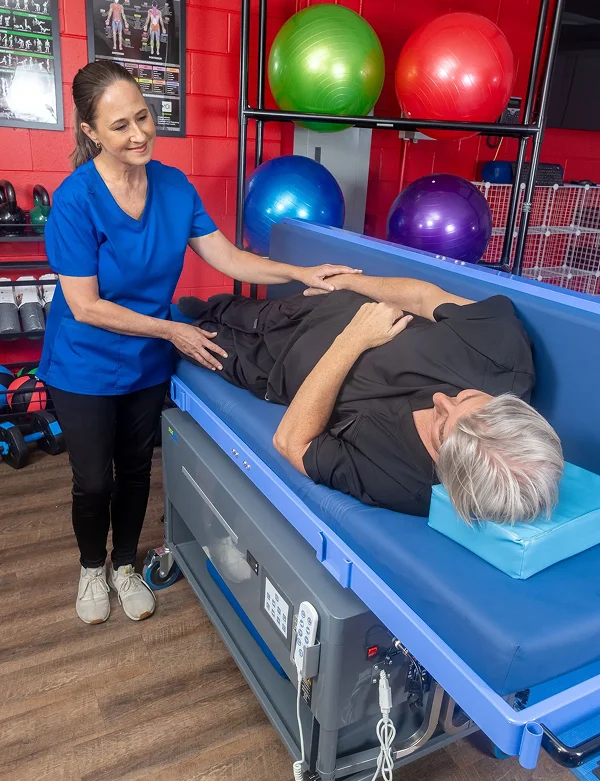
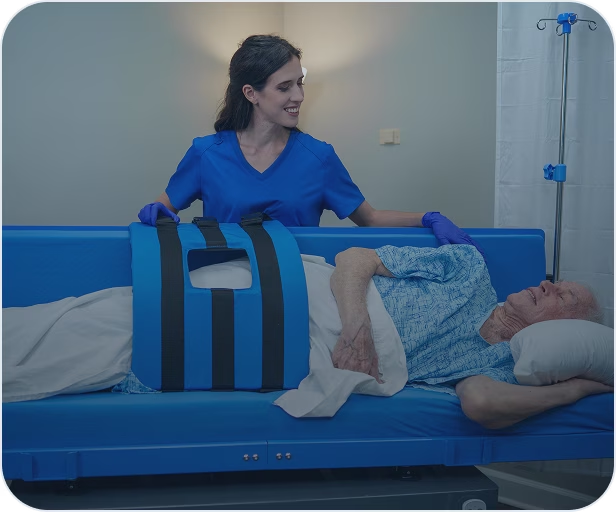
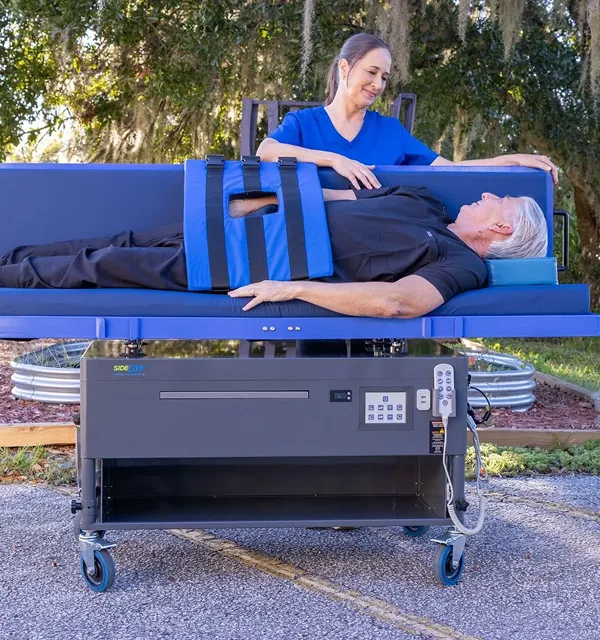
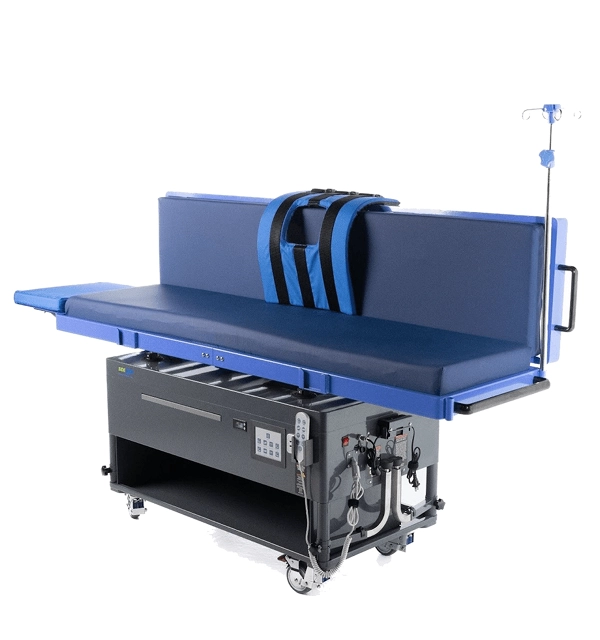
‍SideLyer is made to stop that in its tracks. A motor carries out the movement, letting the caregiver adjust the body's angle exactly when the moment arrives. Blood returns to the tissue that had been under load, the skin over the hips and lower back is protected, and the person is raised into a seated position where they can join in with what is going on nearby.

Contact Us

10× Fewer Bed Sores in Immobile Patients

The process is straightforward, and it shows no mercy. Ongoing weight against a bony point pinches the blood vessels that supply the tissue above, and tissue cut off from blood begins to fail. SideLyer pushes back by keeping the body at angles that transfer the load onto other areas and give circulation time to return before damage can settle in. Patients on the system see bed sores as much as ten times less often, and each sore prevented is one more wound they are spared from healing.

Contact Us
Explore Features of the SideLyer

How it Works

Explore Features of the SideLyer

Advantages of SideLyer

When you ask why 93% of healthcare providers recommend SideLyer for people prone to bed sores, the answers are practical ones:

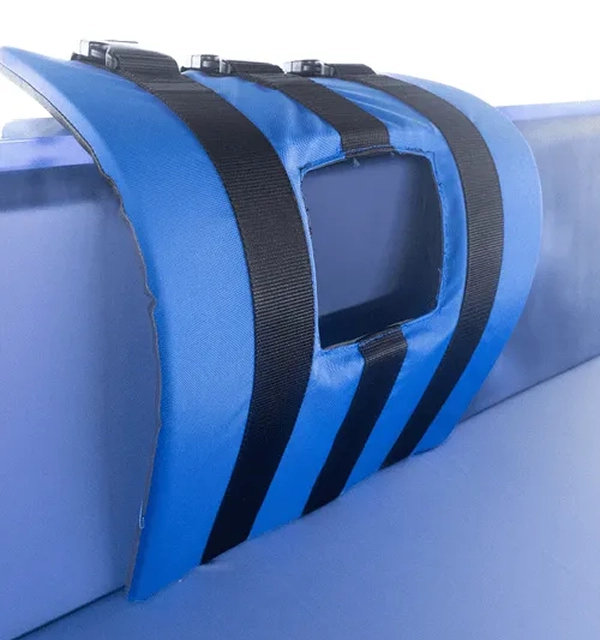
 Carefully set angles that boost comfort, encourage circulation, and shelter the skin
Repositioning on a steady schedule, the one element no prevention plan can go without
An elevated position that brings the person up to the level of those tending to them
  Motor-driven adjustment at the push of a button, so no lifting is required
Surfaces built for daily use that clean up in seconds
 A full spread of angles for therapy, activity, and the everyday flow of a day
A setup that keeps the person woven into family life rather than pushed to the margins
Contact Us

Who Can Benefit From SideLyer in Springfield?

A loved one here in Springfield might benefit from SideLyer if they:

Are healing at home following surgery or an injury
Are managing long-term mobility challenges such as ALS, MS, or a spinal cord injury
Are prone to bed sores or breakdown of the skin

Home health aides and family caregivers after a safer method of assisting their patients stand to gain as well. Around Sangamon County, families have always looked after aging parents at home, in the older frame houses of Enos Park and Vinegar Hill, the brick homes near Washington Park, and the newer places out in Chatham and Rochester, and that devotion lands the full job of repositioning on sons, daughters, and spouses who were never shown how.

Schedule a Demo

who-can-benefit-from-sidelyer
Explore Features of the SideLyer

Why Families in Springfield Choose SideLyer to Prevent Bed Sores

Families providing care at home are after three things at once: a relative who is safe, comfortable, and treated with dignity. Every one of those rests on repositioning, and the limit on it is a physical one. Turning a full-grown adult by hand every couple of hours, through the night as well as the day, is more than most households can carry for the long run.

Caregivers who use SideLyer are able to:

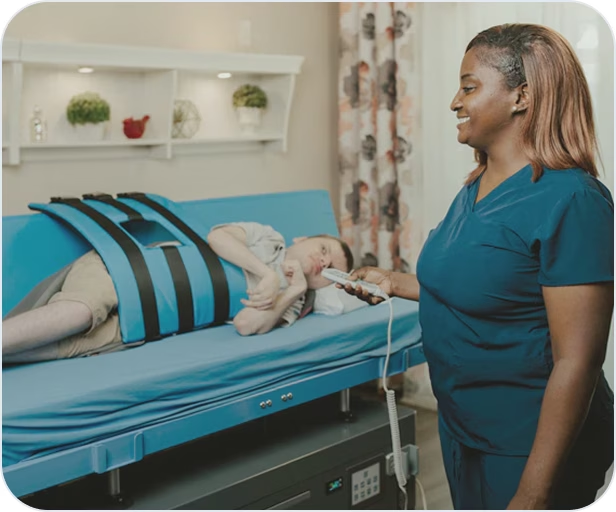
Reposition through a motorized control in place of lifting
Provide the loved one the pressure ulcer prevention standard found in hospitals
Back up skin health and circulation with exact positioning
Keep to a repositioning schedule without booking help on every occasion
Take the load off their own body and cut their odds of injury
Handle single-handedly what would ordinarily require a pair of people
Keep their relative engaged and included from morning to night

Inside a Springfield household where the main caregiver is also working a job, the ability to complete a proper turn on your own in less than a minute is frequently what lets home care continue instead of collapsing after a handful of months.

Contact Us
Our Mission

Our mission is to reduce how often pressure ulcers occur in people with limited mobility and to safeguard the health and wellbeing of the caregivers who look after them. We work alongside families and healthcare facilities together to prevent pressure injuries that were never inevitable and to lessen the injuries produced by manual repositioning. Motorized repositioning technology carries the strain away from caregivers, makes daily care more efficient, and honors the dignity and independence of those who cannot turn on their own.

Schedule A Demo

Frequently Asked Questions

What does getting started look like? +

The first step is a virtual demo, hosted by our team and viewed right from your home in Springfield. You watch the system work through every position and bring up whatever concerns you, such as how it would suit the room you have in mind. A 90-day free trial follows, letting you measure the system by how it holds up in your everyday routine rather than by a single demonstration.

Is any of the cost covered by insurance? +
In many cases, yes, but it turns on eligibility. SideLyer retails at $11,000 with insurance coverage and $6,900 without. Since the amount a family ends up paying rests on their individual coverage, our team reviews the choices with you and pins down the actual figure.
Do you offer rentals for Springfield families? +
Yes. Renting comes to $550 a month over a 13-month minimum term. If there is no clear sense of how long the recovery will run, or a family would rather not purchase outright, renting is usually the more sensible choice.
Which care situations call for SideLyer? +
Any situation where someone cannot reposition themselves, or needs regular help staying in a safe position. There is a reason nearly every care plan includes repositioning: it keeps steady pressure off the spots most likely to break down and keeps blood arriving there. A motorized control means the caregiver can perform each shift the instant the plan requires it, and that timing is the first casualty when every turn depends on hand strength.
What causes pressure ulcers in people who are bedridden? +
Unrelenting pressure, moving from the inside outward. The body's weight on a bony point compresses the tissue trapped between bone and skin, and the vessels within shut down. Deep tissue deprived of oxygen breaks down first, so on the surface there may be little more than a pale red mark while a wound forms underneath. Dampness on the skin, friction from sliding down in bed, thin fragile skin, and lost feeling each cut the time shorter. A minor injury grows into a major one when nothing ever eases the pressure that sets it off.
How is an open bed sore managed? +
By shielding the site and letting the body do its healing. A clinician oversees the wound care, the area is kept clean and suitably dry, and the caregiver confirms that no weight is pressing on the wound or the sound skin surrounding it. Repositioning has now become part of the treatment rather than prevention alone, since a wound kept under pressure simply will not close.
Can a bed sore be fatal? +
Yes. A serious pressure injury pushes beyond the skin into the tissue beneath, where the tissue may die, healing grinds nearly to a halt, and the threat of infection and further complications grows. Wounds at that point call for clinical care, at times including surgical removal of dead tissue and monitoring over the long term. Nearly all of them could have been prevented through consistent pressure relief, and that is why prevention deserves the effort.
What does pressure relief do for the skin? +
It returns the blood supply, and blood is what enables skin to act as a shield against bacteria. A second advantage comes with it: every turn reveals to the caregiver skin that is normally out of view, so the earliest redness is spotted while it can still recede on its own. Steady positioning support keeps fragile skin whole and gives the body the chance it needs to mend.
What should happen if dead tissue forms in a wound? +

Dead tissue tells you the area went too long under pressure with too little blood to keep it going. The focus turns to protecting the skin around the wound, aiding its recovery, and positioning the person so no weight falls on the wound. The remaining vulnerable areas must be kept pressure-free at the same time, otherwise a second wound appears while the first is still mending. SideLyer allows caregivers to reposition safely and on time, which makes a bed sore much less likely to form.

Who invented the SideLyer? +

A nurse on the night shift at Quest Inc., over ten years ago. Residents unable to turn themselves were suffering pressure injuries that should never have occurred, and the staff who lifted them were hurting themselves in the process. Her husband happened to be a carpenter, and the two of them built the first SideLyer from wood, in a range of sizes so every resident had one that fit. Those original wooden versions were finished with colors and stickers and outfitted with trays and storage, and both residents and staff came to count on them. The patented motorized system in use today descends directly from that first idea.

How is Quest Inc. connected to SideLyer? +

Quest Inc. is a nonprofit that has offered homes, care, and support to people with developmental disabilities for more than 60 years. SideLyer took shape inside Quest's residential care program as a response to pressure ulcers, a means of improving comfort and quality of life, and a way to bring down injuries among caregivers. Quest Inc. continues as a key partner, and the organization's decades of firsthand experience keep guiding how the system is designed, how it protects people, and what purpose it serves.

Watch our story:

What difference has SideLyer made for families in Springfield? +

All across Springfield and Sangamon County, families describe more comfort, fewer pressure injuries, and a relative who takes part more fully with those around them. The one word that keeps surfacing is relief: their family member is properly supported the whole day through, not just during the windows when a helper is available.

As one Quest Inc. parent shared, "Most of her pressure is not where she can have a skin breakdown. It takes the pressure off the body."

A number of families have also told us about wounds that were expected to need months to close, finishing in far less time once repositioning became consistent.