Bed Sore Treatment & Prevention in Wilkes-Barre

Call Now
Explore Features of the SideLyer

Protect Your Loved Ones in Wilkes-Barre from Bed Sores with SideLyer

Most serious wounds come from something happening to the body. A pressure ulcer comes from nothing happening at all. Someone who cannot move their own weight keeps the same patch of skin pinned between bone and mattress for hours, and because the injury usually begins in the tissue beneath the surface, a caregiver can check the skin, see nothing wrong, and still be looking at a wound in progress.

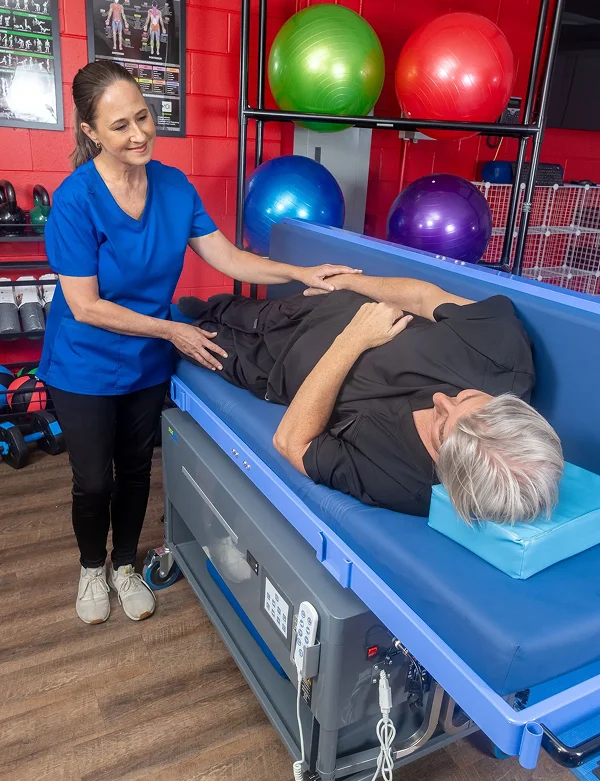
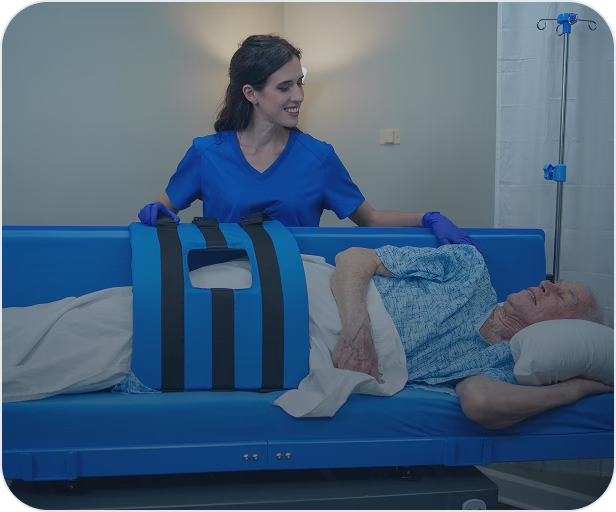
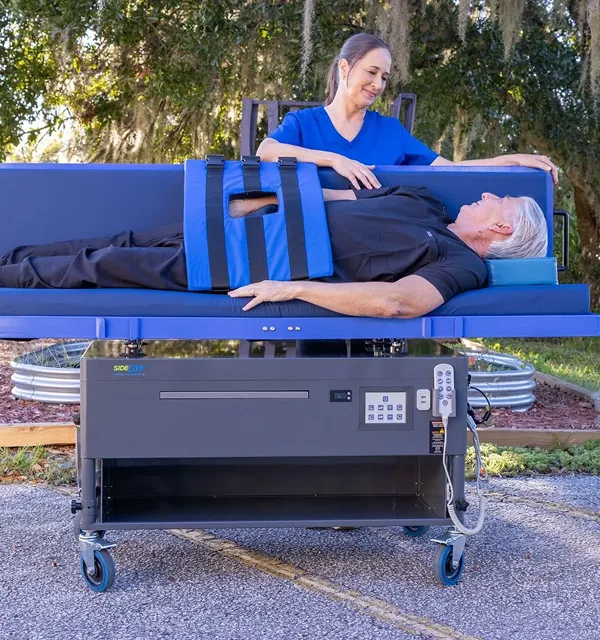
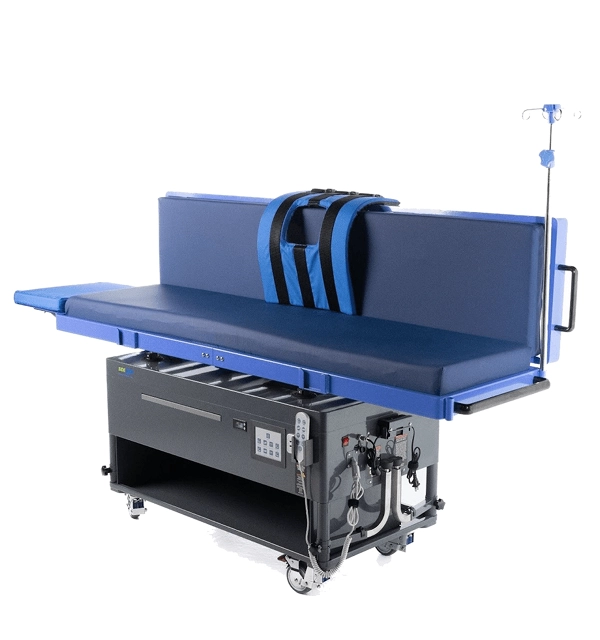
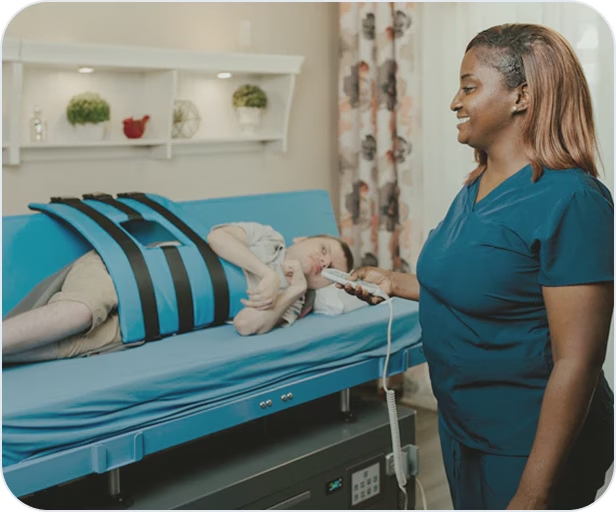
‍SideLyer stops that sequence before it starts. Its motorized adjustment shifts the body to a fresh angle on the caregiver’s command, so blood gets back into the tissue that was bearing weight, the skin over the hips and lower back is spared, and the person is brought upright into the conversation instead of lying flat outside of it.

Contact Us

10× Fewer Bed Sores in Immobile Patients

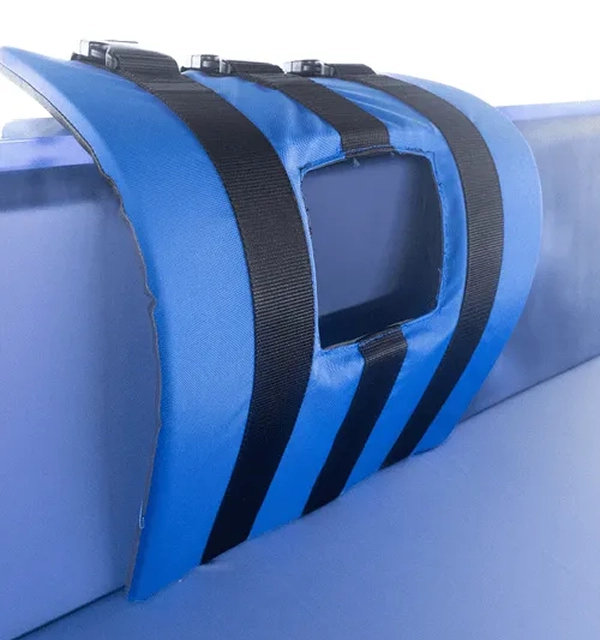
When a bony part of the body presses into a surface for too long, the vessels that feed the tissue above the bone are squeezed closed, and tissue that loses its blood supply breaks down. SideLyer works against that by holding the body at angles that move weight elsewhere, giving circulation time to return before the damage sets in. People on the system get bed sores up to ten times less often, and each one avoided is a wound and a long recovery they never have to go through.
Contact Us
Explore Features of the SideLyer

How it Works

Explore Features of the SideLyer

Advantages of SideLyer

There is a reason 93% of healthcare providers recommend SideLyer for patients who are prone to bed sores. Among its advantages:

Exact angles that add comfort, help circulation, and protect the skin
Turns at reliable intervals, the single factor prevention rests on most
Raised positioning that brings the person up to the height of the people helping them
Push-button motorized adjustment, with no manual lifting at any point
 Surfaces that clean in moments and are built for daily use
Angles that work for therapy, for activities, and for ordinary routines
 Positioning that keeps the person connected to the household, not separated from it
Contact Us

Who Can Benefit From SideLyer in Wilkes-Barre?

Your loved one in Wilkes-Barre may benefit from SideLyer if they:

  Are recovering at home following surgery or an injury
Have a long-term mobility condition like ALS, MS, or a spinal cord injury
Are at risk for bed sores or skin breakdown

It is just as useful to family caregivers and home health providers who want a safer way to assist the people in their care. Across Luzerne County, the older generation is often looked after at home by adult children, in the same narrow two-story houses in Kingston, Plains, and Nanticoke where those children grew up. That is a choice families are proud of, and it also means that every turn, every reposition, falls to people who learned the job by doing it.

Schedule a Demo

who-can-benefit-from-sidelyer
Explore Features of the SideLyer

Why Families in Wilkes-Barre Choose SideLyer to Prevent Bed Sores

Every family providing care wants the same three things: a relative who is safe, who is comfortable, and who is treated with dignity. How well the person is repositioned decides much of that, and the limit is a physical one. Turning a grown adult by hand every two hours, through the night as well as the day, is more than most households can keep up for long.

  Reposition with a motorized control, not with their arms and back
Bring the hospital standard of pressure ulcer prevention into a Wyoming Valley home
Support skin health and circulation through precise positioning
 Hold to a turning schedule without recruiting a second person each time
Lower their own strain and their risk of getting hurt
Manage on their own what would otherwise take two people
 Keep their relative involved in family life all day

In a house where the primary caregiver is also holding down a job, the ability to do a proper turn alone in under a minute is often what turns home care from a temporary arrangement into a lasting one.

Contact Us
Our Mission

Our purpose is to bring down the number of pressure ulcers among people with limited mobility, and to keep the caregivers who support them healthy and safe while we do it. We partner with families and healthcare facilities to prevent the pressure injuries that were avoidable and to reduce the injuries that come from lifting and turning by hand. Motorized repositioning takes strain off caregivers, makes daily care more efficient, and preserves the dignity and independence of people who are unable to turn themselves in.

Schedule A Demo

Frequently Asked Questions

How does a family get started? +

With a virtual demo from our team, which you can join from your own living room in Wilkes-Barre. You will see every position the system moves through and can ask about anything that applies to your situation, including how it would fit the room you have in mind. Then a 90-day free trial lets you live with it in your daily routine before deciding.

Does insurance cover SideLyer? +
It often does, depending on eligibility. The retail price is $11,000 with insurance coverage and $6,900 without. Coverage comes down to individual circumstances, so our team reviews what is available to your family and helps figure out what you would really pay.
Can we rent one instead of buying it outright? +
Yes. Rental costs $550 per month, with a minimum term of 13 months. For a recovery with no clear end date, or for families who prefer not to purchase, renting is generally the more sensible choice.
When is SideLyer the right addition to a care plan? +
Any time someone cannot shift position without help, or needs regular help staying in a position that is safe. Care routines include repositioning for a simple reason: it takes prolonged pressure off the areas most likely to break down and keeps blood moving to them. The motorized controls let a caregiver make those changes whenever the plan requires, which is precisely where manual schedules tend to fall apart.
How does a bed sore start in someone who can’t move? +
Usually out of sight, below the skin. Weight bearing down on a bony point squeezes the tissue that sits between that bone and the skin, and the blood vessels inside it shut under the load. The deeper tissue, cut off from oxygen, fails first, which is why a spot can look only slightly pink while a wound is developing beneath it. Moisture, the friction of sliding in bed, fragile skin, and loss of sensation all shorten the timeline. A minor injury turns serious when nobody lifts the pressure that is causing it.
What happens if the skin breaks and a sore opens? +
The job shifts to protecting the site while the body heals. A clinician directs the wound care, the area is kept clean and appropriately dry, and the caregiver makes certain that no weight rests on the wound or on the healthy skin surrounding it. Repositioning becomes part of the treatment itself from then on, because a wound that stays under pressure never gets the conditions it needs to close.
How serious can a pressure ulcer get without treatment? +
Life-threatening. Severe injuries extend beyond the skin into deeper tissue, where dead tissue can develop, healing slows dramatically, and complications such as infection become more likely. Managing a wound at that stage calls for clinical care, sometimes including the removal of dead tissue and continued monitoring. Almost all of it can be prevented through consistent pressure relief, which is the case for spending the effort on prevention rather than treatment.
How does taking pressure off the skin prevent infection? +
Relieving pressure lets blood return to tissue that had been without it, and that circulation is what allows skin to act as a barrier against bacteria. Every turn also shows the caregiver skin that is normally hidden under the body, so early redness is spotted while it can still clear up on its own. Dependable positioning support keeps fragile skin whole and gives the body room to recover.
What does dead tissue in a wound tell us? +

That the spot was under pressure too long, with too little blood to keep the tissue alive. From there, care centers on protecting the skin around the wound, supporting recovery, and positioning the person so the site bears no weight at all. The other vulnerable areas must stay pressure-free during that time as well, or a second wound opens while the first is healing. SideLyer gives caregivers a safe, consistent way to reposition, which reduces the chance of a bed sore developing to begin with.

How was SideLyer invented? +

By a night-shift nurse at Quest Inc., more than ten years ago. She saw two problems at once: residents who could not turn themselves were getting pressure injuries that were entirely preventable, and the caregivers lifting them were getting injured. Her husband, a carpenter, helped her build the first SideLyer from wood, in several sizes so each resident had a proper fit. Those wooden prototypes got colors, stickers, trays, and storage, and they became something residents and staff relied on every day. That idea eventually grew into the patented motorized system available today.

What is Quest Inc.’s role? +

Quest Inc. is a nonprofit that has spent more than 60 years providing homes, care, and support to people who have developmental disabilities. SideLyer took shape within its residential care program as a response to pressure ulcers, a means of improving comfort and quality of life, and a way to reduce injuries to caregivers. Quest Inc. remains a key partner, and its decades of hands-on experience still shape the system’s design, safety features, and clinical purpose.

Watch our story:

What results have Wilkes-Barre families seen? +

Families throughout Wilkes-Barre and Luzerne County report that their relative is more comfortable, has fewer pressure injuries, and is more engaged with the family. The common thread is relief, the feeling of knowing that their relative is properly supported through the entire day rather than only when someone happens to be free.

As one Quest Inc. parent shared, “Most of her pressure is not where she can have a skin breakdown. It takes the pressure off the body.”

Several have also told us about wounds that were supposed to take months to heal, closing in far less time once the turning became consistent.