How do we get started with SideLyer?
+
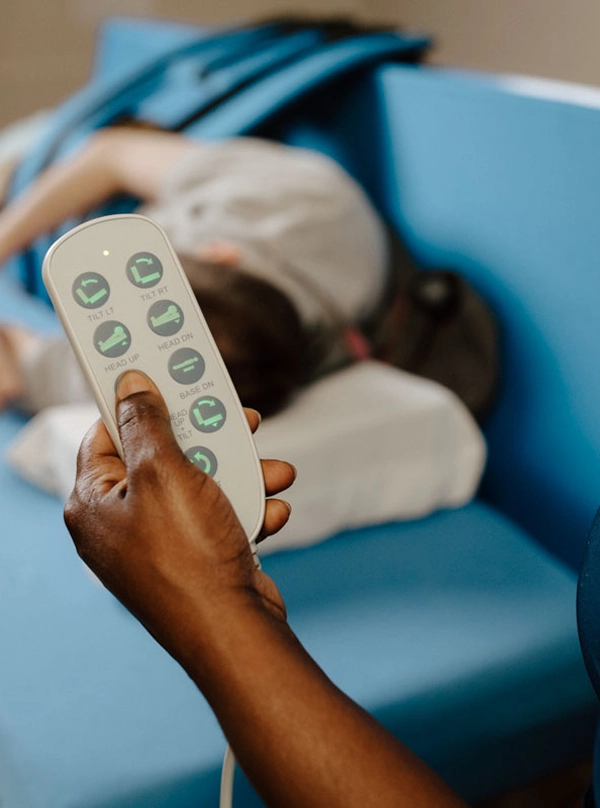
For Allentown families and facilities, the first step is a virtual demo with our specialists. Nurses and aides who attend see the system move through each position and can ask the practical questions that matter on a unit: how long a turn takes, how the controls work, and how the device fits alongside existing surfaces. A 90-day free trial follows for those who want it, long enough to run SideLyer within the daily care routine and observe the change in patient comfort, engagement, and safety.
Is SideLyer covered by insurance?
+
Sometimes. Eligibility depends on the policy and on the patient, and eligible patients may obtain SideLyer through insurance. With coverage, the retail price is $11,000; without it, an independent purchase is $6,900. Our team reviews the options with each family, explains the coverage in clear terms, and helps estimate the final cost so the decision can be made with confidence.
Can our health facility in Allentown rent SideLyer instead of purchasing it?
+
Yes. SideLyer can be rented by individuals and families in Allentown who prefer not to purchase outright. Rental costs $550 per month on a 13-month commitment and includes full access to all of the system’s features, which suits those who need long-term repositioning support but wish to keep their financial and operational options open.
When should we use SideLyer in a care plan?
+
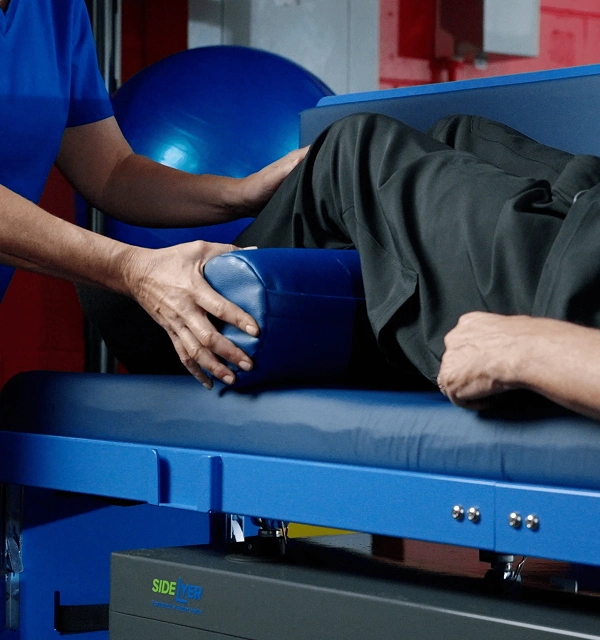
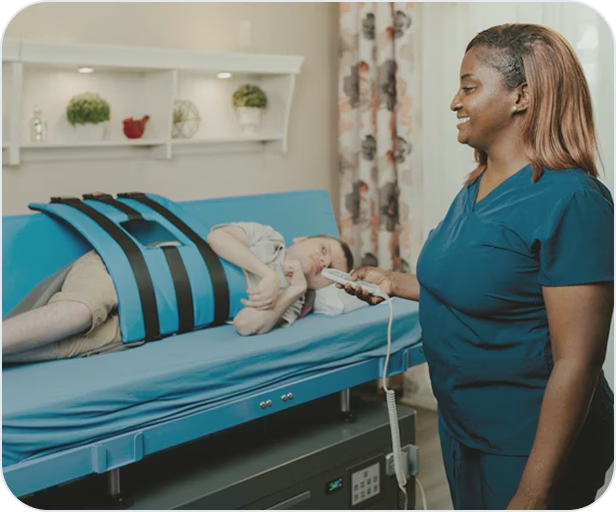
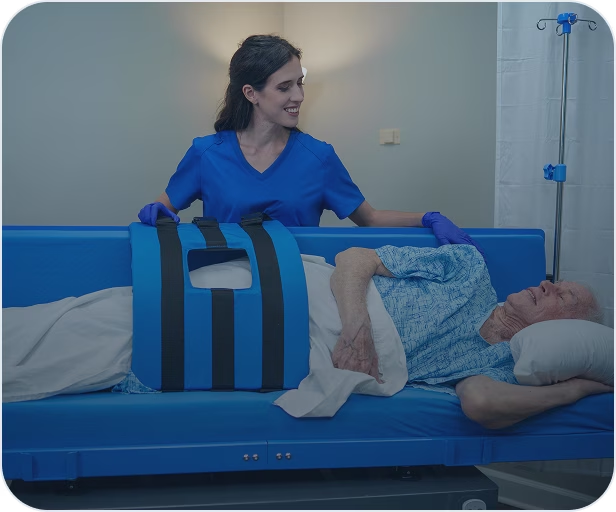
Any time a patient cannot move independently or needs constant support to remain in a pressure-relieving position. Nurses know that those positions protect the skin, improve blood flow, and prevent pressure-related injury; what SideLyer changes is the effort required to maintain them. Because the system is motorized, each adjustment is easy on the caregiver, comfortable for the patient, and simple to repeat at the interval the care protocol specifies.
How do pressure ulcers/pressure sores form in immobile patients?
+
The damage comes from continuous pressure, friction, and moisture acting on the skin and underlying tissue over time. Patients with limited mobility, fragile skin, or underlying conditions are the most vulnerable. A caregiver may notice nothing more than mild redness at first, yet without relief of the pressure the site can progress to a severe wound. Regular repositioning and specialized support surfaces are the reliable defense.
How does SideLyer support care when dead tissue is present?
+
During the removal of necrotic tissue and the monitoring that follows, SideLyer keeps the patient stable in the required position, so the nurse or wound care specialist is not repeatedly lifting and resettling the patient. The procedure becomes safer for the patient and more efficient for the clinician, and the motorized support reduces the physical toll of complex wound care.
How does SideLyer help prevent pressure ulcers in high-risk patients?
+
By making controlled, systematic repositioning practical on a busy unit, SideLyer keeps prolonged pressure off vulnerable areas and reduces the risk of skin breakdown. The effect is strongest for patients whose limited mobility, poor circulation, or nutritional deficiency makes them especially susceptible. Patients with spinal cord injuries, in particular, benefit from regular use: the likelihood of a new pressure ulcer drops, existing skin damage is kept from worsening, and long-term skin resilience and well-being are supported.
How does SideLyer support pressure reduction for at-risk patients?
+
SideLyer delivers pressure relief that caregivers can count on, hour after hour, protecting fragile skin, improving circulation, and reducing the discomfort immobile patients feel. Together with the right support surfaces, it helps prevent chronic pressure injuries, limits the risk of infection, and gives caregivers a means of managing long-standing wounds and encouraging them to heal.
How does SideLyer support daily skin care routines?
+
Controlled, regular repositioning helps nursing staff keep the skin of susceptible patients clean, dry, and healthy, and it gives them a clear view of skin that would otherwise stay hidden, so small changes are caught while intervention is still simple. As part of a care plan that includes moisture barrier protection, SideLyer offers dependable support for preventing pressure ulcers and maintaining skin integrity.
Can SideLyer help manage long-term wound risks?
+
Yes. By maintaining proper positioning and reducing sustained pressure for patients who are immobile or have limited mobility, SideLyer lowers the risk of chronic pressure ulcers and establishes the conditions long-term wounds need in order to heal, with improved comfort and a more efficient recovery as the result.
How did the SideLyer originate?
+
The idea came from a night-shift nurse at Quest Inc. more than a decade ago. She saw residents who could not move independently developing pressure injuries, and she saw caregivers being hurt by the repeated manual lifting required to prevent them. With her husband, a skilled carpenter, she built the first SideLyer from wood, in several sizes matched to the residents who would use them.
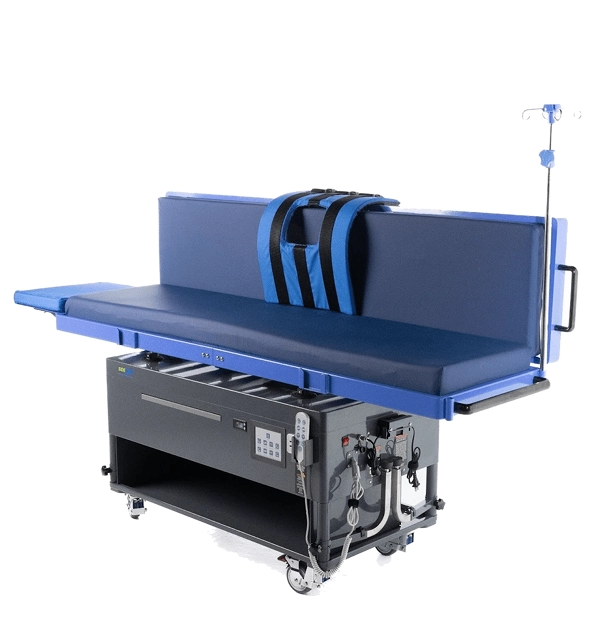
The early versions were decorated with bright paint and playful stickers and fitted with trays and storage, so they were as welcome to residents as they were useful to staff. From those wooden originals grew the patented, motorized SideLyer system available today, which meets industry standards, improves safety and comfort for patients, and reduces the physical burden on caregivers.
What is Quest Inc., and how is it related to SideLyer?
+
For more than sixty years, Quest Inc. has provided safe housing, individualized care, and broad support to people with developmental disabilities. The SideLyer was conceived inside that residential care setting as a practical answer to pressure ulcers, a way to improve residents’ comfort and quality of life, and a means of reducing caregiver injury during repositioning. It became central to daily care at Quest, and the organization’s extensive hands-on experience continues to guide SideLyer’s design, clinical safety measures, and applications.
Watch our story:
What impact has SideLyer had on individuals in Allentown and their families?
+
Allentown care recipients who receive regular, precise repositioning are more comfortable, suffer fewer pressure wounds, and engage more fully in social and daily activities, which benefits their physical health and their overall satisfaction with life. Family members often describe the peace of mind that comes from knowing a loved one is safely and comfortably positioned at all times. One parent shared, “Most of her pressure is not where she can have a skin breakdown. It takes the pressure off the body.” Feedback like this speaks to the reassurance and the effectiveness of thoughtful, compassionate care.
Nursing staff have also observed that wounds are expected to heal slowly and frequently recover faster once consistent, careful repositioning is applied, a finding that highlights the value of attentive care routines for people with limited mobility.