How do we get started with SideLyer?
+
The first step for a Connecticut family or facility is a virtual demo with our specialists.
The session shows SideLyer in operation and gives participants the chance to ask detailed questions about
how the system fits into safe, effective patient care. Afterward, a 90-day free trial is available, allowing
you to bring SideLyer into your daily routines and observe the effect on patient comfort, engagement, and
safety before making a decision.
Is SideLyer covered by insurance?
+
Coverage depends on the terms of the policy and the eligibility of the patient, and eligible patients may be able to obtain SideLyer through insurance. Where coverage applies, the retail price is $11,000; purchasers without coverage pay $6,900. Each family reviews the insurance options with our team, receives a plain explanation of the coverage, and leaves with a projected final cost, so that the decision rests on full information.
Can our health facility in Connecticut rent SideLyer instead of purchasing it?
+
Yes. Individuals and families in Connecticut who prefer not to purchase the system outright may rent it. A rental provides full use of every SideLyer feature for $550 per month with a 13-month commitment, an arrangement suited to those who want long-term repositioning support while keeping their financial and operational options open.
When should we use SideLyer in a care plan?
+
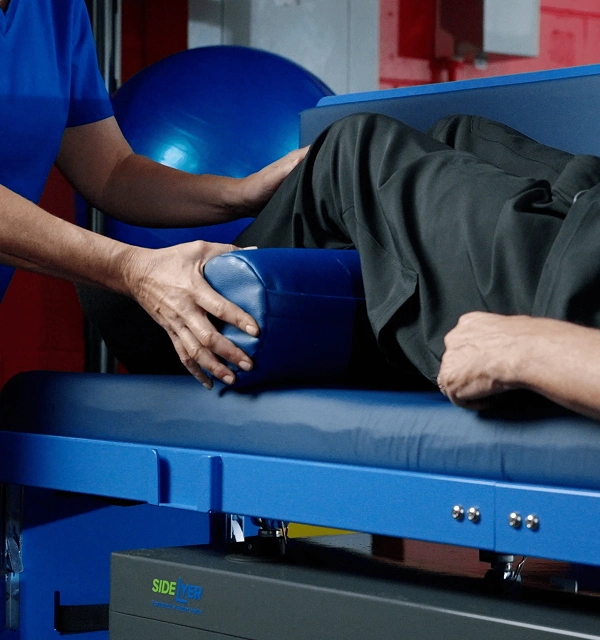
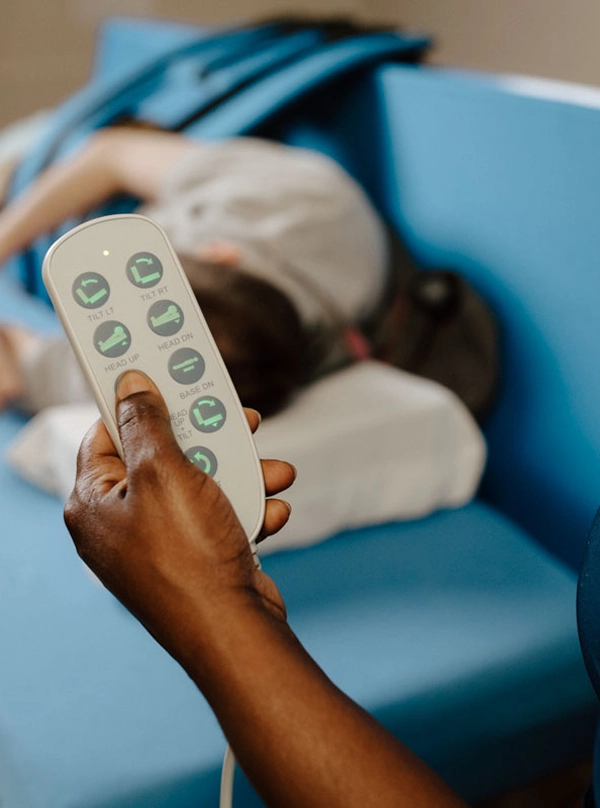
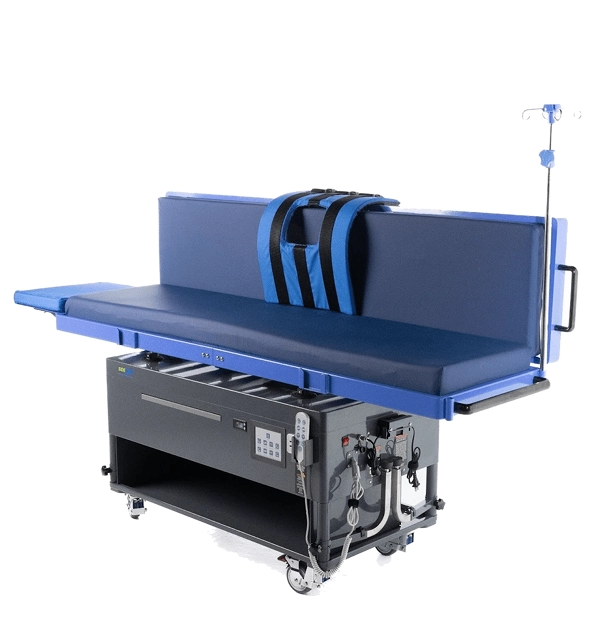
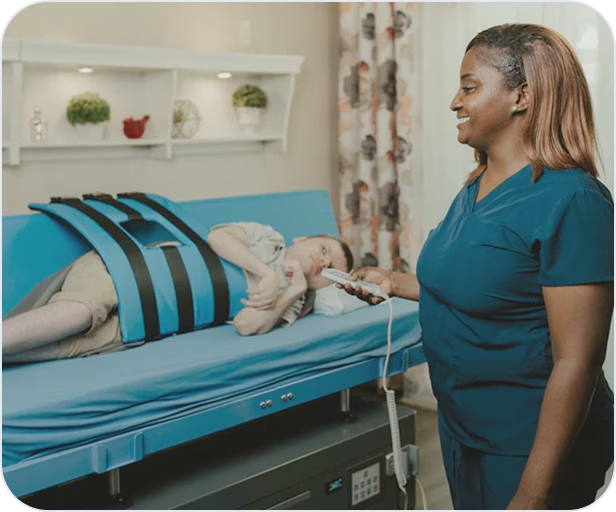
SideLyer belongs in the care plan of any patient who cannot move independently or who needs continuous support to remain in a pressure-relieving position. Holding those positions is essential to protecting the skin, maintaining blood flow, and preventing pressure-related injury. The motorized system lets caregivers adjust a patient’s position easily, which reduces physical strain, preserves comfort, and makes consistent adherence to the care protocol achievable.
How do pressure ulcers/pressure sores form in immobile patients?
+
A pressure sore is what remains after continuous pressure, friction, and moisture have worked on the skin and the tissue beneath it for long enough. Susceptibility is highest among patients with limited mobility, fragile skin, or underlying medical conditions. The first signs may be no more than mild irritation or redness, but if the pressure continues, a severe wound can follow. Prevention depends on regular repositioning together with appropriate support surfaces.
How does SideLyer support care when dead tissue is present?
+
When necrotic tissue must be addressed, SideLyer holds the patient in the required position while caregivers carry out the intervention, sparing them repeated lifting and repositioning. That stability makes pressure injury management safer, including debridement and ongoing wound monitoring, and it improves both caregiver efficiency and patient safety during complex procedures.
How does SideLyer help prevent pressure ulcers in high-risk patients?
+
SideLyer allows caregivers to reposition patients in a controlled, systematic manner, which keeps prolonged pressure from settling on any one area and lowers the risk of skin breakdown. The benefit is greatest for patients with limited mobility, circulatory difficulty, or nutritional deficiency, each of which raises vulnerability to pressure injury. For patients with spinal cord injuries, regular use reduces the likelihood of new pressure ulcers and keeps existing skin damage from worsening, supporting long-term skin resilience and general well-being.
How does SideLyer support pressure reduction for at-risk patients?
+
By supplying dependable, continuous pressure relief, SideLyer protects fragile skin, improves circulation, and reduces the discomfort that immobile patients commonly experience. Used together with suitable support surfaces, it becomes an effective tool for preventing chronic pressure injuries, limiting the risk of infection, and helping caregivers manage and heal wounds of long standing.
How does SideLyer support daily skin care routines?
+
Controlled, regular repositioning makes it easier for caregivers to keep the skin of at-risk patients clean, dry, and healthy. Each change of position also brings small changes in skin condition into view, and early observation is often what allows early intervention. Within a care plan that includes moisture barrier protection, SideLyer offers dependable support for preventing pressure ulcers and maintaining skin integrity.
Can SideLyer help manage long-term wound risks?
+
Yes. By maintaining proper positioning and reducing sustained pressure, SideLyer supports patients who are immobile or have limited mobility. That steady support reduces the likelihood of chronic pressure ulcers and produces the conditions in which long-term wounds can heal, which improves comfort and shortens recovery.
How did the SideLyer originate?
+
The idea took shape more than ten years ago on a night shift at Quest Inc., where a nurse observed that residents who could not move on their own were developing pressure injuries while the caregivers lifting them were being injured themselves. Her husband, a skilled carpenter, helped her build the first SideLyer out of wood, and they made it in several sizes so that every resident had one that fit.
Those original devices were personalized with bright paint, playful stickers, convenient trays, and storage, which made them practical tools that residents also enjoyed. From that beginning grew the patented, motorized SideLyer system in use today, built to industry standards, safer and more comfortable for patients, and far less physically demanding for caregiving staff.
What is Quest Inc., and how is it related to SideLyer?
+
Quest Inc. has, for more than sixty years, provided safe housing, individualized care, and wide-ranging support to people with developmental disabilities, and the SideLyer was conceived within that residential care setting as a practical way to protect residents from pressure ulcers, improve their comfort, and raise their quality of life, while at the same time reducing the risk of caregiver injury during repositioning. It became a central part of daily care, and Quest Inc.’s extensive hands-on experience continues to inform the design, clinical safety measures, and applications of SideLyer today.
Watch our story:
What impact has SideLyer had on individuals in Connecticut and their families?
+
Care recipients in Connecticut who receive regular, precise repositioning show greater comfort, fewer pressure wounds, and more participation in social and daily activities, gains that reach beyond physical health into overall satisfaction with life. Families frequently describe the reassurance of knowing a loved one is positioned safely and comfortably at every hour. One parent shared, “Most of her pressure is not where she can have a skin breakdown. It takes the pressure off the body.” Remarks of that kind reflect both the reassurance and the effectiveness of attentive, compassionate care.
Caregivers have also observed that wounds expected to heal slowly often recover faster once consistent, careful repositioning is in place, which speaks to what attentive care routines can do for people with limited mobility.