How do we get started with SideLyer?
+
Pittsburgh families and facilities start with a virtual demo led by our specialists. The session lets you watch SideLyer carry a patient through each position and ask detailed questions about how the system supports safe and effective care for the person you have in mind. A 90-day free trial is available afterward, so that SideLyer can be worked into daily routines and its effect on the patient’s comfort, engagement, and safety observed at first hand.
Is SideLyer covered by insurance?
+
For some patients, yes. Coverage depends on the terms of the policy and on eligibility. When insurance applies, the retail price is $11,000; a purchase made independently, without coverage, is $6,900. Our team sits down with each family to review the insurance options, explain what the coverage means, and estimate the final cost, so the decision is made with a clear picture of the expense.
Can our health facility in Pittsburgh rent SideLyer instead of purchasing it?
+
Yes. Individuals and families in Pittsburgh who prefer not to purchase the system outright may rent it at $550 per month with a 13-month commitment, with full access to every SideLyer feature. Renting is a sensible arrangement for those who need long-term repositioning support and want to keep financial and operational flexibility.
When should we use SideLyer in a care plan?
+
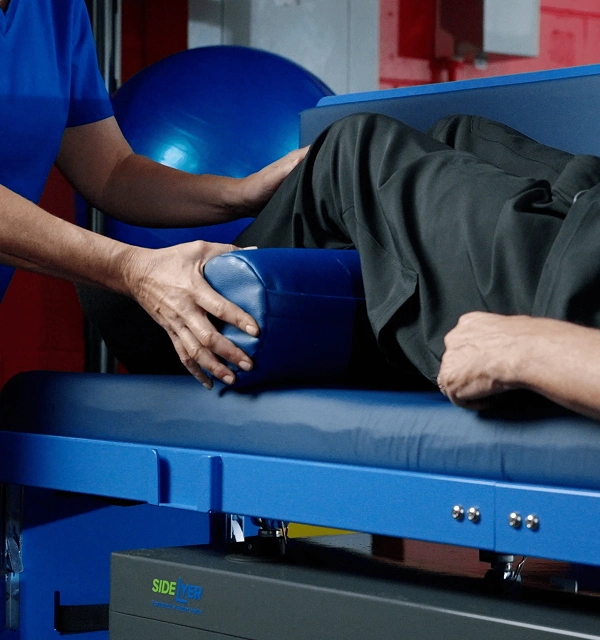
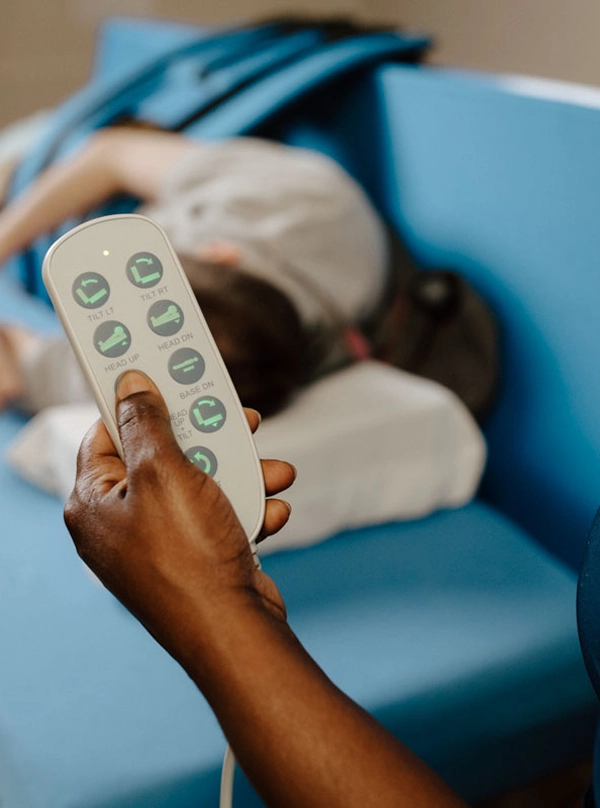
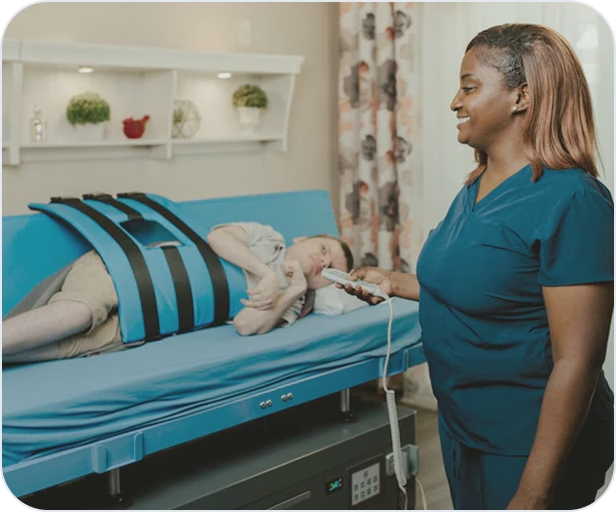
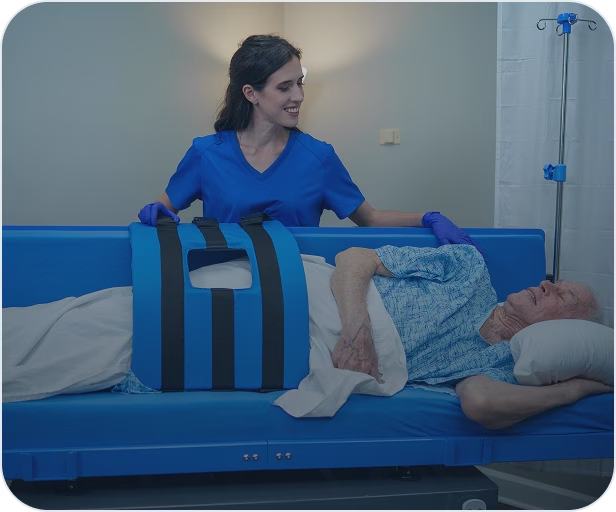
SideLyer is intended for the patient who cannot move on their own, or who needs constant support to stay in a position that relieves pressure. For that patient, holding the position is what protects the skin, keeps blood flowing, and prevents pressure-related injury. The motorized system lets caregivers make each adjustment with little effort, which keeps the patient comfortable, spares the caregiver’s back, and makes it realistic to follow the care protocol without lapses.
How do pressure ulcers/pressure sores form in immobile patients?
+
For a patient who cannot shift position, continuous pressure, friction, and moisture gradually weaken the skin and the tissue beneath it until a sore forms. Those with limited mobility, fragile skin, or underlying health conditions are at greatest risk. What begins as mild irritation or redness can become a severe wound if the pressure continues. Regular repositioning and specialized support surfaces are what prevent it.
How does SideLyer support care when dead tissue is present?
+
A patient undergoing wound care needs to be held safely in one position, and SideLyer does that while caregivers perform the intervention, which spares the patient from repeated lifting and resettling. The removal of necrotic tissue and the monitoring of the wound proceed more safely as a result, and the motorized support makes complex procedures more efficient for the caregiver and safer for the patient.
How does SideLyer help prevent pressure ulcers in high-risk patients?
+
For the high-risk patient, prevention comes down to controlled, systematic repositioning that never lets pressure build on one area for too long, and that is what SideLyer provides. Patients with limited mobility, poor circulation, or nutritional deficiencies gain the most, since those conditions heighten vulnerability to pressure injury. A patient with a spinal cord injury benefits from regular use because the chance of a new pressure ulcer falls, existing skin damage is kept from escalating, and skin resilience and well-being are supported over the long term.
How does SideLyer support pressure reduction for at-risk patients?
+
The patient receives pressure relief that is continuous and dependable, which protects fragile skin, improves circulation, and reduces the discomfort that comes with immobility. Used with appropriate support surfaces, SideLyer helps prevent chronic pressure injuries, limits the risk of infection, and assists caregivers in managing long-standing wounds and promoting their healing.
How does SideLyer support daily skin care routines?
+
A patient repositioned regularly and under control is easier to keep clean, dry, and healthy, and each change of position reveals skin that would otherwise remain hidden, so that small changes are seen while early intervention is still possible. Within a care plan that includes moisture barrier protection, SideLyer offers reliable support for preventing pressure ulcers and preserving skin integrity.
Can SideLyer help manage long-term wound risks?
+
Yes. For the patient who is immobile or has limited mobility, SideLyer maintains proper positioning and reduces sustained pressure, which lowers the risk of chronic pressure ulcers and creates the conditions long-term wounds need to heal. Comfort improves and recovery becomes more efficient.
How did the SideLyer originate?
+
The story begins with residents. More than ten years ago, a night-shift nurse at Quest Inc. watched residents who could not move independently develop pressure injuries, and watched caregivers risk injury with every manual lift. She and her husband, a skilled carpenter, built the first SideLyer from wood, producing several sizes so that each resident had one that fit.
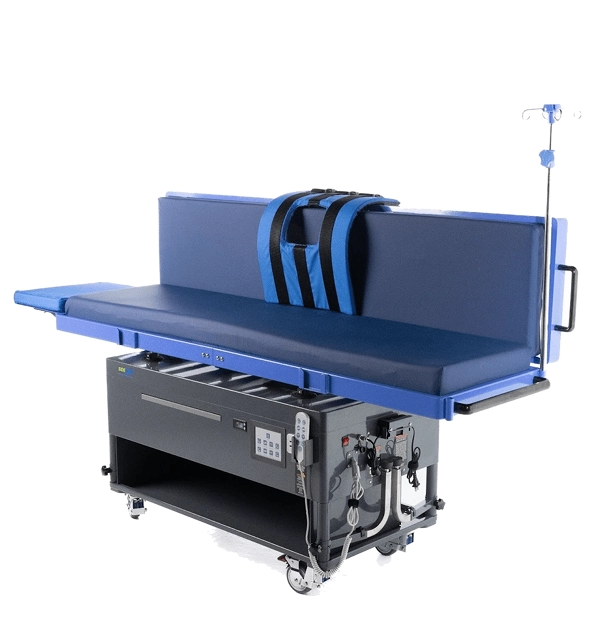
The wooden originals were personalized with vibrant paint, playful stickers, trays, and storage, and residents came to regard them as their own. That innovation developed into the patented, motorized SideLyer system in use today, which meets industry standards, improves patient safety and comfort, and lightens the physical load on caregiving staff.
What is Quest Inc., and how is it related to SideLyer?
+
Quest Inc. has served people with developmental disabilities for more than six decades, providing safe housing, individualized care, and broad-based support. The SideLyer was conceived within that residential care environment as a practical way to protect residents from pressure ulcers, improve their comfort, and raise their quality of life, while reducing the risk of caregiver injury during repositioning. It became a central part of residents’ daily care, and Quest Inc. 's hands-on experience continues to shape SideLyer’s design, clinical safety measures, and applications.
Watch our story:
What impact has SideLyer had on individuals in Pittsburgh and their families?
+
Pittsburgh care recipients who are repositioned regularly and precisely report greater comfort, develop fewer pressure wounds, and take part more fully in social and daily activities, with gains to physical health and to overall satisfaction with life. Families often say that knowing a loved one is safely and comfortably positioned at every hour brings them peace of mind. One parent shared, “Most of her pressure is not where she can have a skin breakdown. It takes the pressure off the body.” Such comments reflect the reassurance and the effectiveness of thoughtful, compassionate care.
Caregivers have noticed as well that wounds expected to heal slowly often recover more quickly when repositioning is consistent and careful, evidence of what attentive care routines do for people with limited mobility.